By SHINDONG BALA; Editing by BASIRAT MEMUDU
The Kano State Government has adopted a multi-stakeholder approach to address the rising burden of malnutrition as about 51 per cent of children in the State remain stunted.
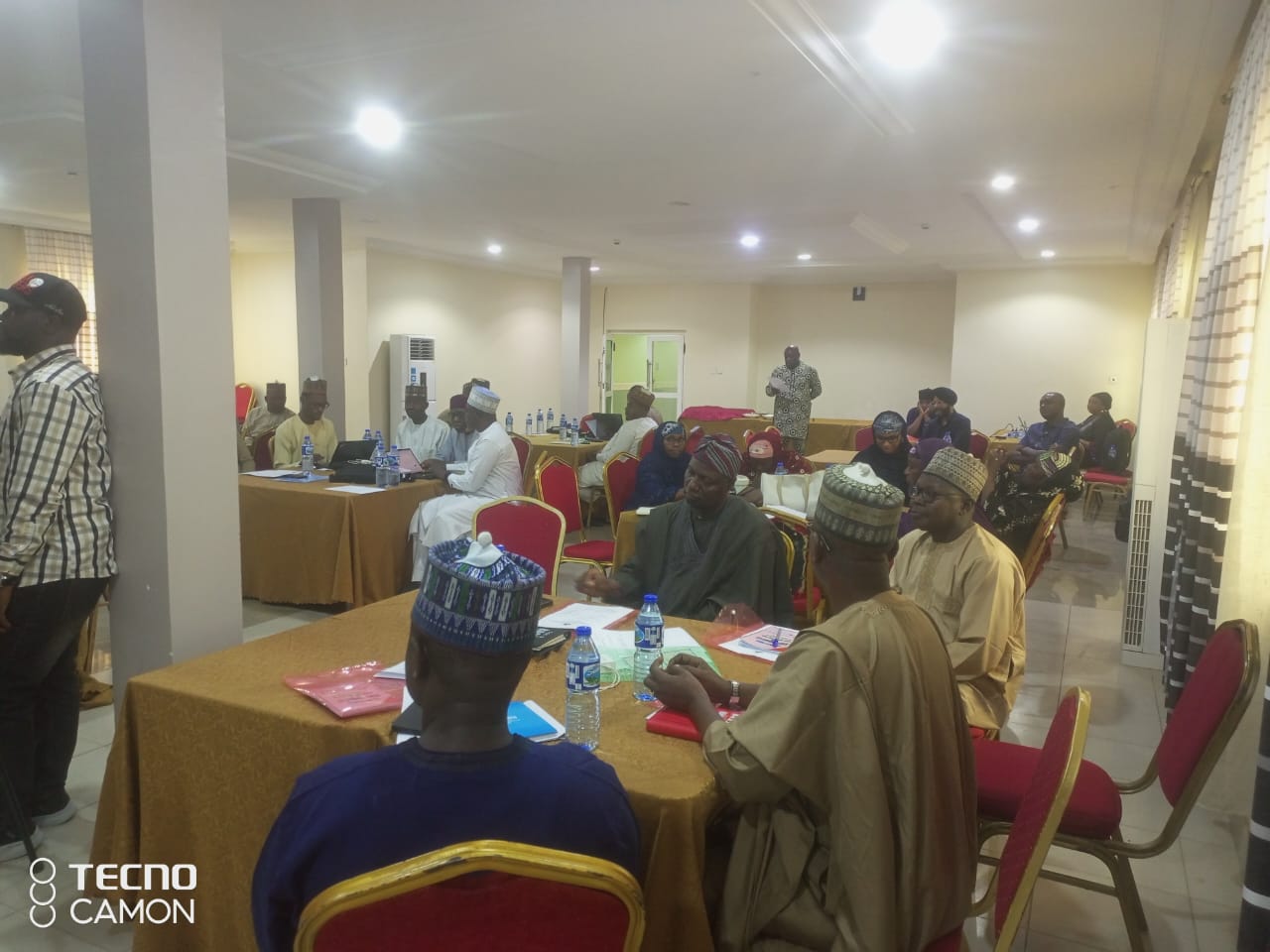
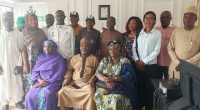
The Commissioner for Health, Dr. Abubakar Labaran Yusuf, disclosed this at a sensitization, coordination and orientation meeting supported by the United States Government and UNICEF held in Kaduna.
Represented by the Permanent Secretary in the Ministry, Pharmacist Aminu Bashir, the commissioner said malnutrition could not be tackled by the health sector alone, noting that poverty remains the major underlying cause of poor nutrition among families.
He explained that many Nigerians still live below the poverty line, making access to adequate and balanced diets difficult even for working households.
According to him, the health sector is often left to manage the consequences of poverty, hence the need for stronger collaboration among sectors such as agriculture, education, planning and social welfare.
The commissioner further observed that malnutrition cases in the state often fluctuate with seasonal food availability.
He said hospital admissions related to malnutrition usually decline during harvest periods when food is relatively accessible, but increase significantly during the rainy season when many households experience food shortages.
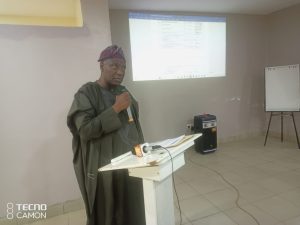
In a speech, UNICEF Nutrition Manager Kano Field Office, Dr. KaranVeer Singh said UNICEF would soon commence the implementation of a nutrition intervention programme funded by the Government of the United States of America, targeting the first 1,000 days of life from pregnancy to a child’s second birthday.
He explained that the programme, which will be implemented in eight states including Kano, is aimed at improving nutrition services for mothers and young children.
Dr. Singh however expressed concern over the nutrition situation in Kano, noting that more than half of children under the age of five are stunted, an indication of widespread chronic malnutrition.
According to him, addressing the challenge requires coordinated efforts across critical sectors including health, agriculture, livestock development, education, water resources and social protection.
Also speaking, the state Chairman House committee on appropriation, Mallam Abdulhamid Abdul Minjibir described the engagement as timely and commended ongoing efforts aimed at strengthening coordination, transparency and accountability in nutrition programming across the State.
He reaffirmed the commitment of the Kano State House of Assembly to supporting transparent budgeting processes, proper appropriation and policies that would improve nutrition outcomes, especially for vulnerable women and children.
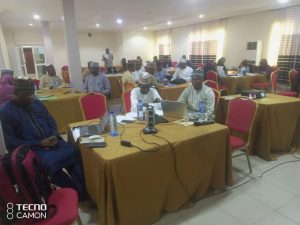
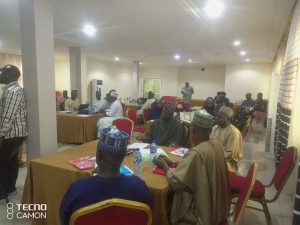
Participants at the meeting agreed that malnutrition remains a multi-sectoral challenge that requires collective action beyond a single ministry.
They called for stronger institutional coordination, improved budget tracking systems and sustained collaboration with development partners and communities to ensure effective delivery of nutrition interventions across the State.