
The 10th National Assembly is set to amend obsolete laws hindering business activities as part of its legislative agenda aimed at promoting competitiveness, attracting investment and accelerating economic transformation.
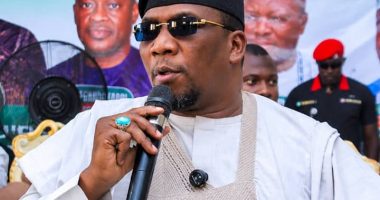
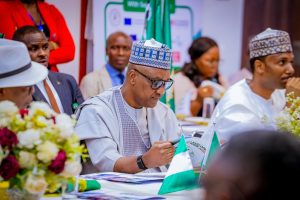
Speaker of the House of Representatives, Abbas Tajudeen, disclosed this during the Legislative Business Breakfast Meeting at the National Assembly as part of activities marking the 2026 National Assembly Open Week.
Dr Abbas Tajuddeen, explained that the move would also help guarantee greater regulatory certainty, reduce the cost of doing business, expand access to finance and strengthen oversight of public institutions implementing economic reforms.
He said the commitments followed extensive engagement with business leaders and reflected the House’s determination to respond to concerns raised by the organised private sector in line with the President Bola Ahmed Tinubu’s economic reforms designed to empower businesses.
The Speaker who admitting that recent reforms embarked by the Federal Government had imposed hardship on Nigerians, confirmed that necessary measures are being put in place to restore macroeconomic stability after years of delayed decisions.
He however, noted that interactions between lawmakers and the organised private sector had not been frequent enough, stressing that while the House remained open to ideas and suggestions from stakeholders, direct engagements with business groups were still limited.
Speakibg during the meeting, Minister of Industry, Trade and Investment, Dr. Jumoke Oduwole, underscored the importance of legislative support in driving Nigeria’s economic reforms, saying the quality of laws enacted by the National Assembly will significantly influence investment, enterprise growth and the country’s global competitiveness.
Dr Jumoke Oduwole, said a strong legislative framework was critical to providing certainty for investors, strengthening policy implementation and supporting long-term private sector growth.
On his part the Executive Secretary Policy and Legal Advocacy Centre (PLAC), Mr. Clement Nwankwo, identified insecurity and excessive taxation by government agencies as two of the biggest obstacles to investment and business growth in Nigeria.
According to him, worsening insecurity has prevented many farmers from cultivating their land and disrupted the movement of agricultural produce across the country, with adverse consequences for businesses and the wider economy.
Earlier, the Chairman House Committee on commerce Ahmad Munir, said the legislature was working to ensure that commercial laws reflected the realities of the marketplace and supported investment, competitiveness and innovation.
COV/TSIBIRI