
Writing By Khadijah Aliyu;Editing By Godwin Duru
Technical and Vocational Education and Training (TVET) has been described as a major catalyst for equipping young people with the right skills, creating sustainable pathways for self-employment, and driving socio-economic development.
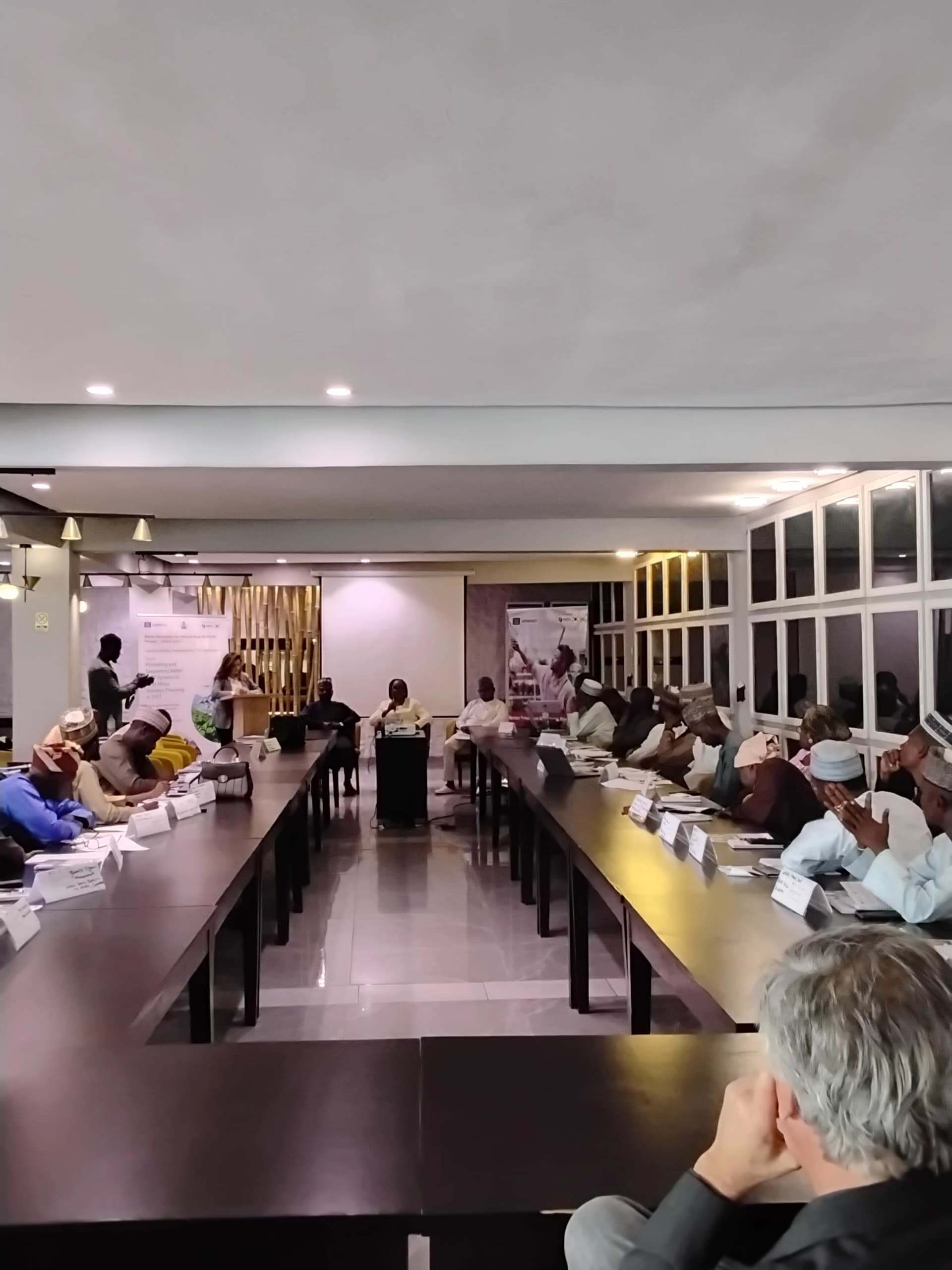
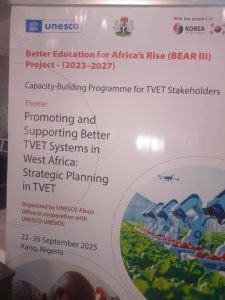
The Regional Coordinator of the Better Education for Africa’s Rise (BEAR) III Programme, Mr. Manish Josh, stated this during a Capacity-Building Workshop for TVET stakeholders held in Kano.
The BEAR III Programme is a UNESCO and Republic of Korea-supported initiative aimed at strengthening TVET in sub-Saharan African countries to improve youth employment opportunities and enhance national economies.
Mr. Josh explained that the objectives of the capacity-building initiative include strengthening the strategic planning capacities of TVET managers, leaders, and decision-makers, as well as equipping them with the tools to align TVET programmes more closely with labour market needs.
He pointed out that the programme also seeks to support TVET centres in developing and refining institutional strategic plans that promote both quality and relevance in education and training.
Also speaking, the Director of Technology and Science Education, Dr. Olodo M.A represented by Deputy Director Dr. Stella Uhuegbu described the workshop as a strategic intervention designed to empower key TVET stakeholders with the skills needed to effectively implement the BEAR III project and advance the broader national TVET reform agenda.
She noted that the ongoing TVET reform is already yielding results, with over one million Nigerians enrolled for Masters 6 and 12 programmes, and verification of learners expected to be concluded soon to kick-start training.
According to her, over 15,000 students will also be resuming this weekend across Federal Technical Colleges.
Dr. Uhuegbu further observed that the 10-week-long online training has broadened participants’ knowledge and practical skills, stressing that the workshop would produce a workforce that is both competent and globally competitive.
In his remarks, the Executive Secretary of the National Board for Technical Education (NBTE), Professor Idris Muhammad Bugaje represented by his Technical Adviser, Dr. Babangida Ali Baba emphasised that NBTE has been at the forefront of digitising the Nigerian Skills Qualification Framework (NSQF) and strengthening quality assurance processes across the nation’s polytechnics.

He revealed that more than 129 accredited TVET centres across the country have already been digitised to meet global standards.
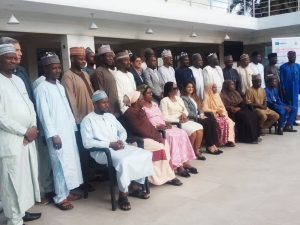
The two-day workshop, organised in collaboration with UNESCO-UNEVOC, drew participants from federal colleges of agriculture and other key stakeholders in science and technology education.
COV/Khadijah Aliyu