
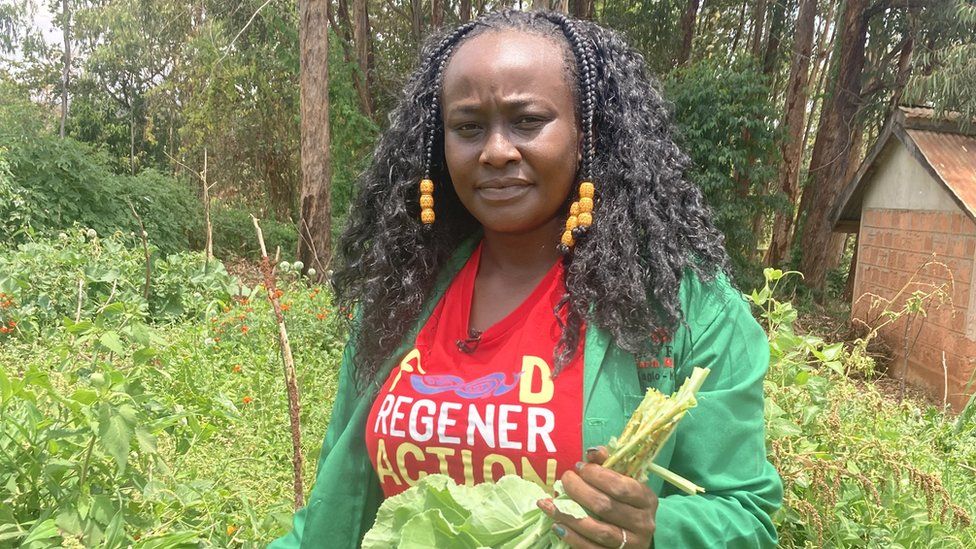
Kenya government has set plans to commercialise genetically modified crops to fight the current severe drought in the country.
GM seeds are those which have been genetically altered to produce what are seen as desirable qualities such as drought and pest resistance.
The seeds will be planted on half-a-million acres and will be drought resistant, the country’s agricultural authority says, thus helping curb shortages caused by the lack of rain.
According to a Professor of biotechnology at Kenyatta University, he said there is nothing to fear when it comes to eating genetically modified organisms (GMOs) on the human body.
“There is no science-based evidence linking biotech to cancer. I find it to be a convenient debate because why are we comfortable taking genetically modified insulin but can’t take GM foods because of imaginary effects? The claims are baseless,” he told the BBC.
Kenya is currently facing a severe water shortage caused by four failed consecutive rainy seasons, amid one of the harshest droughts the East African region has seen in four decades. This means crops are not able to grow, prompting warnings of potential famine.
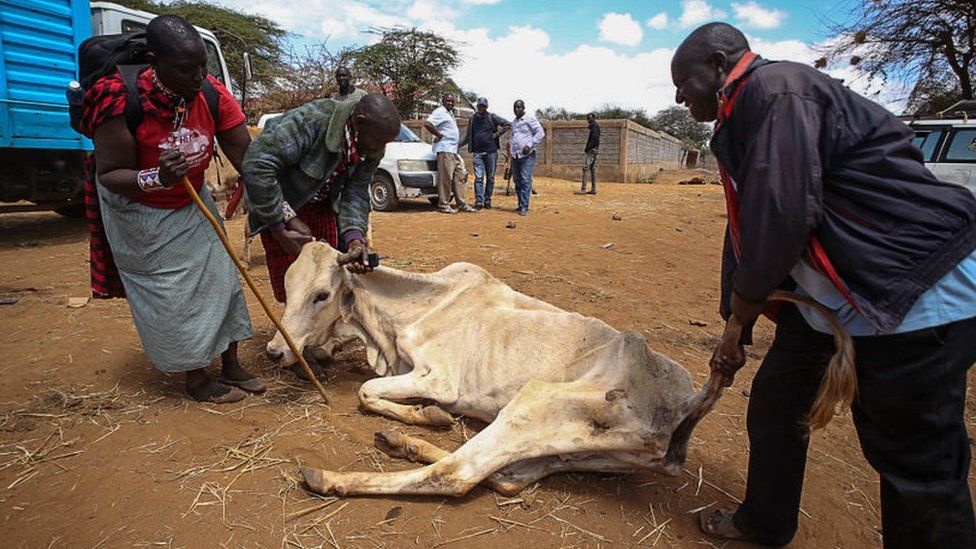
According to the Director General of the Kenya Agricultural and Livestock Research Organization, Dr Eliud Kireger,” Climate change is severity of drought and the emergence of new pests such as fall armyworms and maize stalk borer, and diseases such as maize lethal necrosis pose a real threat to food, [cattle] feed and nutritional security,”.
These diseases and pests destroy the maize crop. For example, fall armyworms eat through most of the vegetation as they make their way through crops.
Food scientists also say the technology will reduce the continent’s dependence on food imports because it will boost production.
Agriculture is the backbone of Kenya’s economy, employing 80% of the rural population. Kenyan farmers rely on their crops not only for income but as a source of food for their families.
BBC