By Usman Sani.
The National Board for Technical Education-NBTE has called for effective implementation of Open Distance and Flexible Learning to expand access to Technical and Vocational Education and Training-TVET to improve graduates employability.
Executive Secretary of the NBTE, Professor Idris Bugaje stated this at the opening of a two-day National Workshop on capacity building for Open Distance and Flexible Learning in TVET institutions organised through the Board’s Centre of Excellence for Technical and Vocational Education and Training, in Kaduna.
Professor Idris Bugaje explained that effective flexible learning requires a balance between theoretical instruction, simulation, practical training and workplace experience to ensure that graduates acquire the competencies needed for productive employment.
Represented by Dr Funsho Akande, the Executive Secretary noted that the NBTE had developed a policy, monitoring and evaluation framework, as well as standards and accreditation tools to guide institutions in implementing Open Distance and Flexible Learning.

Professor Idris Bugaje therefore urged participants to develop practical institutional improvement plans that identify implementation gaps, required resources and measurable indicators of progress.
Also Speaking, Director, Polytechnic and allied programme, Mr Ayo Aroge disclosed that its Open Distance and Flexible E-learning-ODFel initiative has been expanded to forty-five institutions across the country.

According to him, the initiative was designed to provide teachers and students in TVET with opportunities to acquire additional knowledge and skills without necessarily leaving their locations.
Mr Aroge enjoined institutions yet to obtain the required accreditation to take necessary steps, adding that their status would depend on meeting the prescribed accreditation standards.
The General Manager, NBTE Centre of Excellence for Technical and Vocational Education, Mr Aliyu Hassan said flexible learning must go beyond providing access to education to ensure that learners acquire relevant skills and competencies for employment, entrepreneurship and national development.
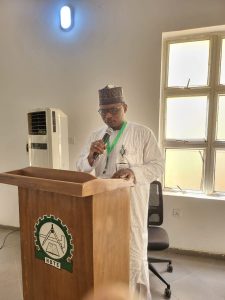
He pointed out that emerging technologies, including artificial intelligence, automation and digital innovations were transforming manual work, requiring Nigeria’s TVET system to equip learners with relevant technical, digital and entrepreneurial skills.
He added that open and distance learning offered opportunities to overcome barriers associated with geographical distance, employment commitments, financial constraints and limited institutional capacity.
The theme of the workshop is: “Transforming Access, Quality and Employability Through Flexible TVET”
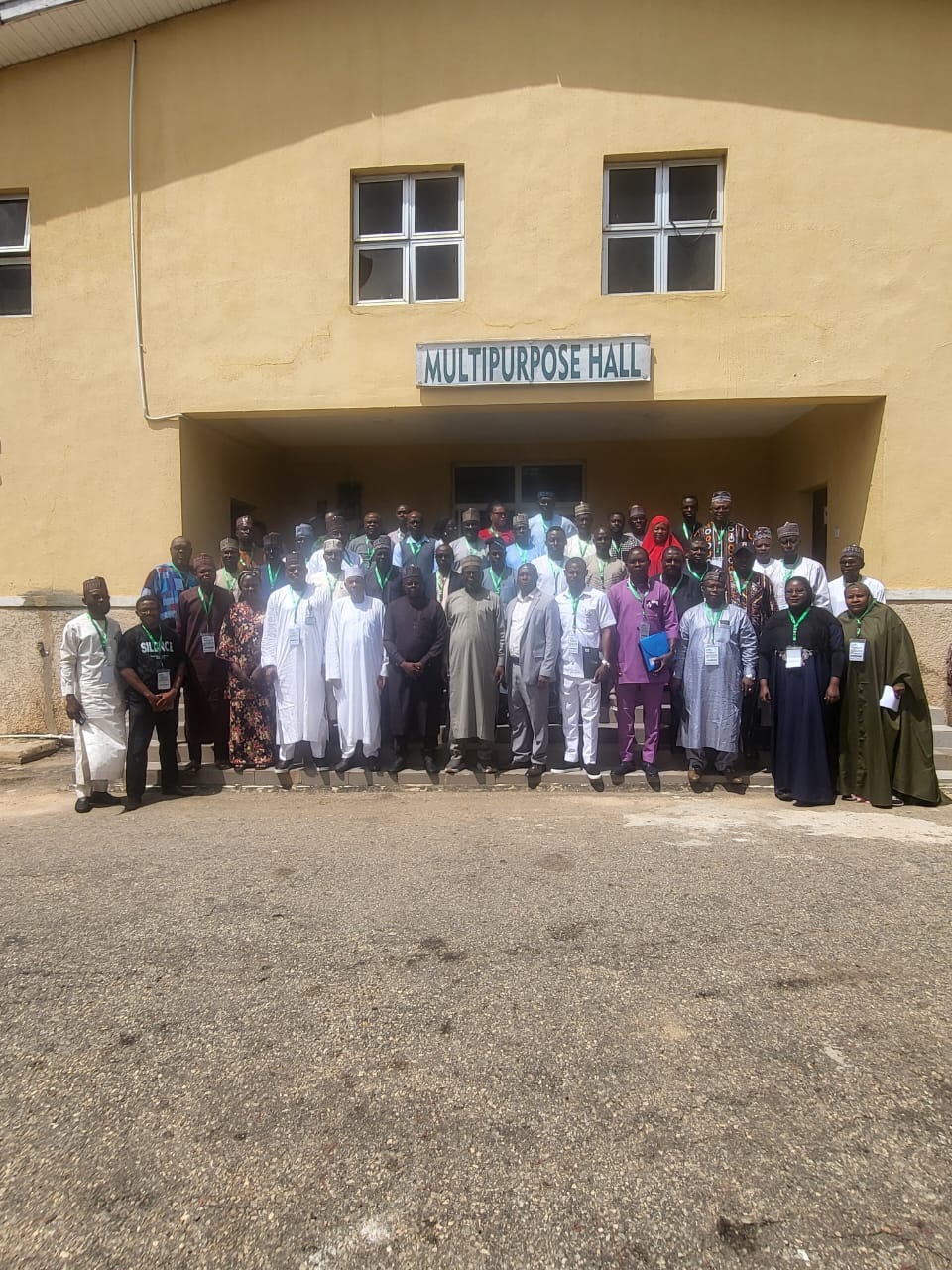
Participants were drawn from various Polytechics across the country.
Editing By Abubakar Hamza.