Writing By Khadijah Aliyu ; Editing By Khadijah Aliyu
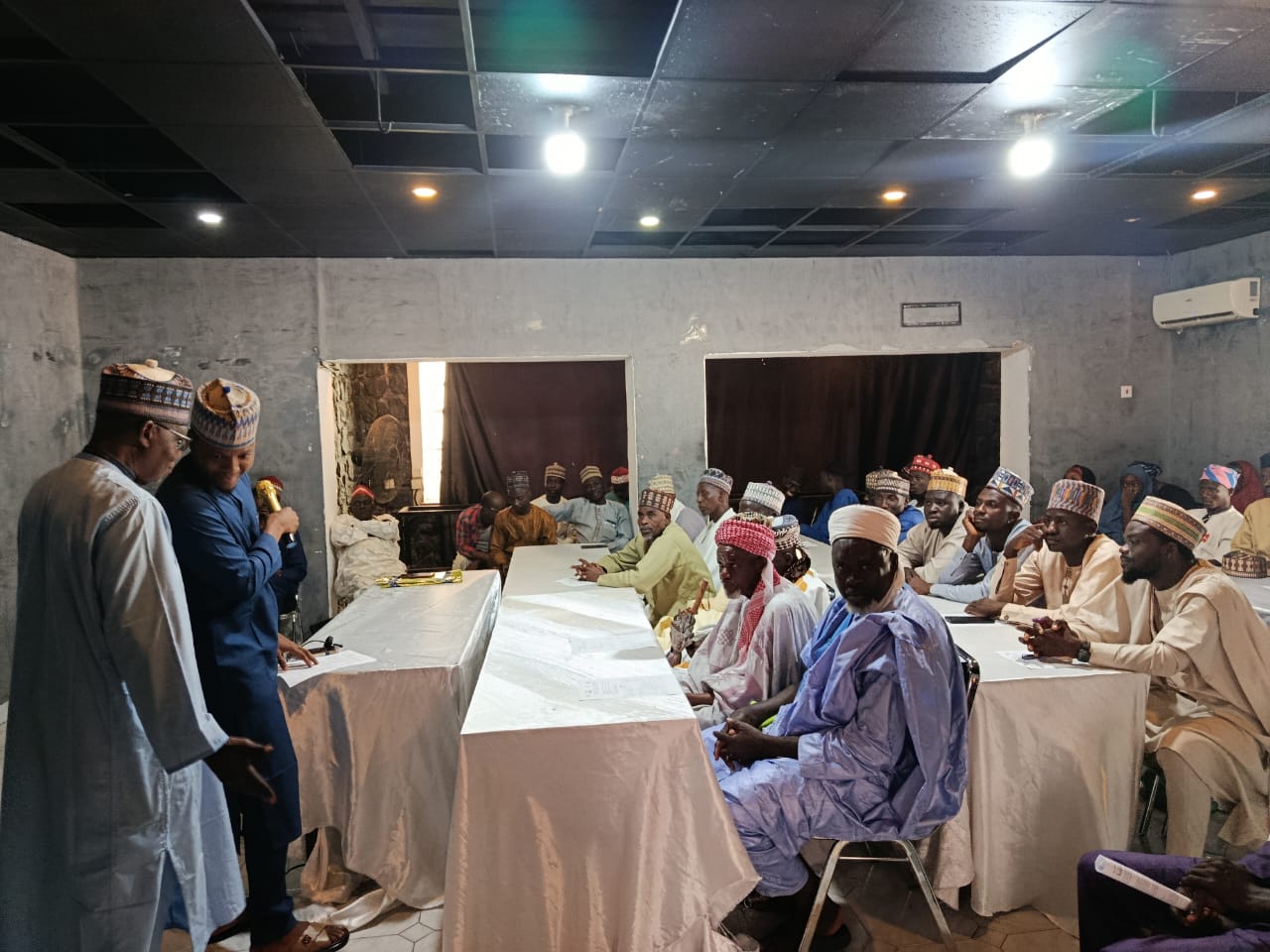
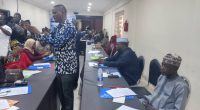
The Kano State Rural Water Supply and Sanitation Agency (RUWASA), in collaboration with the Health and Development Support Program (HANDS), has convened a multi-stakeholder dialogue aimed at strengthening community engagement and advancing social and behavioral change communication (SBCC) strategies to eliminate Neglected Tropical Diseases (NTDs).
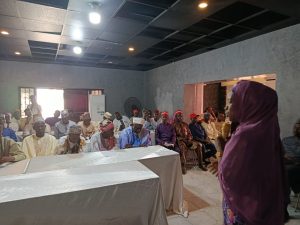
The dialogue, which drew participants from Kabo, Kiru, Kura, Karaye, Sumaila, Rogo, and Madobi Local Government Areas, focused on raising awareness on the critical role of Water, Sanitation, and Hygiene (WASH) in preventing NTDs, improving stakeholder collaboration, and promoting community-driven feedback for sustainable impact.
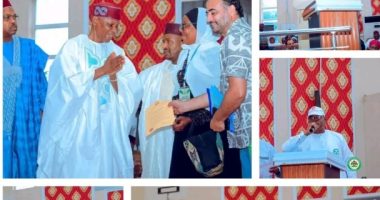
Delivering goodwill messages, the Managing Director of RUWASA, Engineer Shamwilu Abdulqadir Tsamiya represented by Director of Planning and Community Mobilization, Muhammad Ya’u and the State NTD Coordinator, Dr. Abubakar Ghali Zarewa, encouraged participants to make meaningful contributions that would ensure their voices count in efforts to eliminate NTDs in Kano.
Presenting a paper titled WASH and NTDs Elimination, RUWASA Mobilization Manager Ahmed Shamaki, identified proper use of latrines, hand washing with soap, boiling water before consumption, and maintaining good hygiene as critical catalysts for NTDs elimination.
He emphasized the importance of integrated approaches that combine WASH interventions with existing NTD control strategies such as the SAFE framework.
On his part, HANDS Program officer, Muhammad Yusuf DanAro, outlined key frameworks for tackling NTDs, including environmental improvements, social inclusion, and treatment access.
He stressed that SBCC is vital for promoting community ownership of hygiene practices, improving knowledge on NTDs prevention, and enhancing long-term WASH sustainability.
In a presentation titled “Overview of Neglected Tropical Diseases and WASH,” HANDS Consultant, Shehu Musa Ishaq, highlighted major challenges undermining the elimination of NTDs in the state.
These, he said, include poor coordination between WASH and NTD sectors, inadequate information-sharing, weak health worker capacity, and limited citizen awareness.
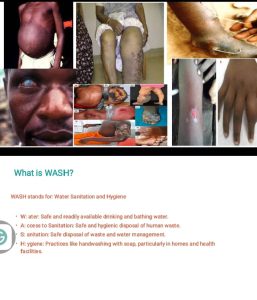
He further highlighted the urgent need to strengthen WASH infrastructure across communities to achieve lasting progress.
Participants at the dialogue included representatives of the Federation of Muslim Women’s Association of Nigeria, (FOMWAN), Okada riders, WASH advocates, NURTW, JONAPWD, soap vendors, youth associations, Imams, health educators, RUWASA, the State and LGA NTD units, as well as the media.
The inclusive approach, organizers noted, is designed to ensure that all community voices from grassroots influencers to policymakers are integrated into Kano’s strategy for eliminating NTDs through sustainable WASH and behavioral change practices.
COV/KHADIJAH ALIYU