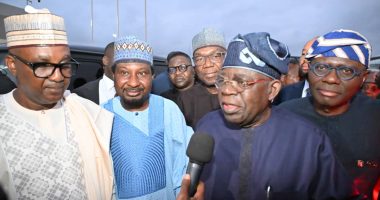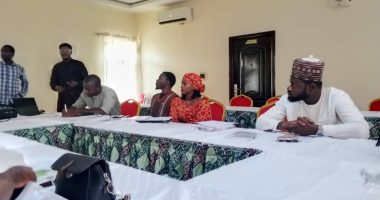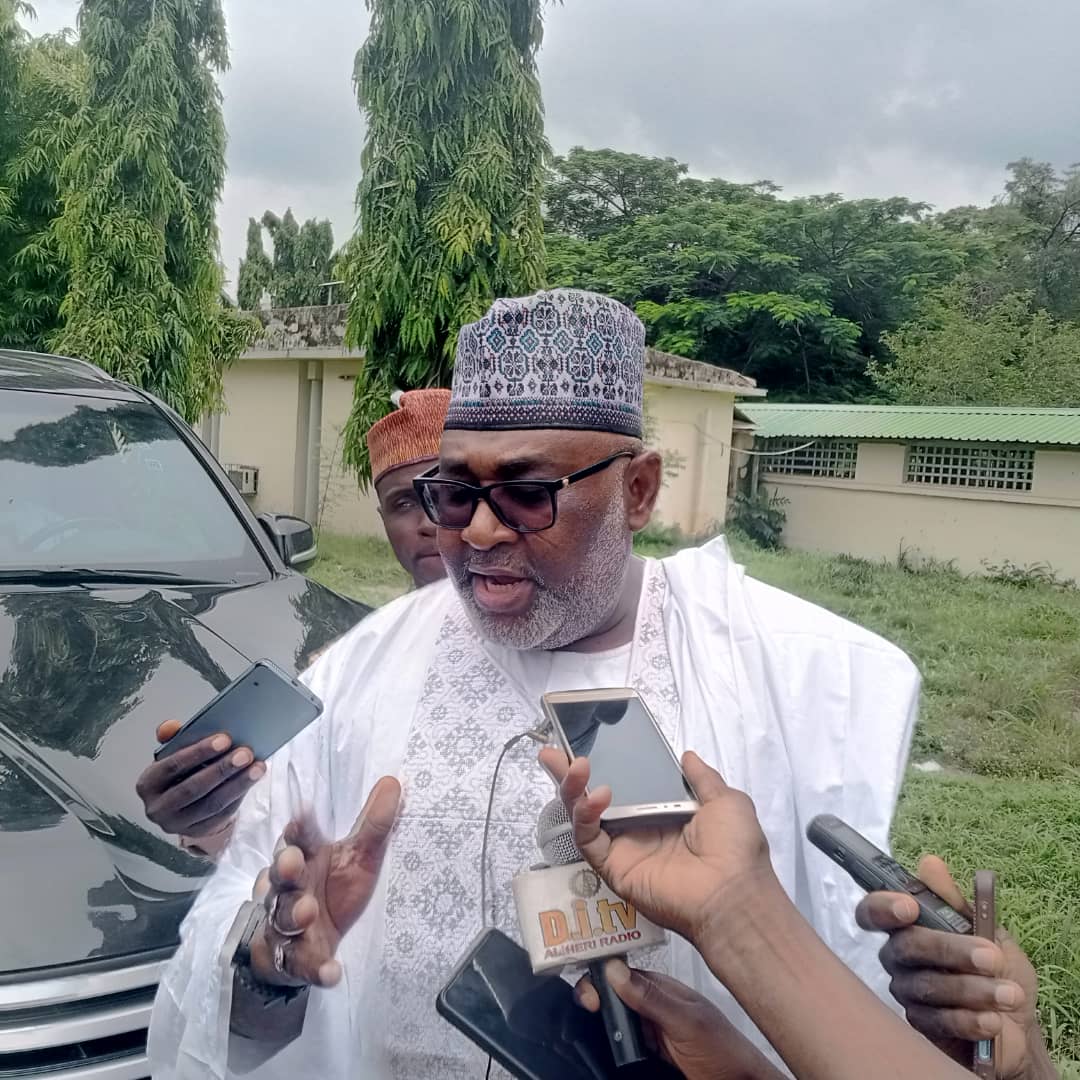

The Minister of State for Regional Development, Uba Maigari Ahmadu, has praised the ongoing consultations between government officials and northern stakeholders as “a robust and historic dialogue,” describing it as clear evidence that President Bola Tinubu’s vision for the North is already taking root and producing results.
Speaking at the Sardauna Memorial Foundation at the second day of the interactive session on Government -Citizens Engagement convened alongside the Sir Ahmadu Bello Memorial Foundation, the minister stressed that the engagement marks an unprecedented step in the history of Nigeria’s governance.
For the first time, cabinet ministers, directors of government agencies, executives of boards, commissions, and other top appointees from the North have voluntarily “submitted themselves for examination” by the people they serve.
“If we were not confident about what we were doing, we wouldn’t be here,” Ahmadu declared.
“We have records of things we’ve delivered—techniques that people can see. This is a new direction, and it’s about earning the confidence of our people, who are ultimately the voting majority.”
Throughout the sessions, discussions have spanned a wide range of sectors—food security, agriculture, education, health, and infrastructure development—with speakers and participants agreeing that these issues are deeply interconnected and require immediate, sustained attention.
The minister described the series of engagements as “a cross-sectoral dialogue for the future of the North,” emphasizing that the goal is to create actionable solutions that will improve lives in both rural and urban communities.
When pressed on what the “way forward” should look like, Ahmadu explained that the government’s intention was not simply to speak, but to listen, to take notes, and to act. “We are submitting ourselves to scrutiny so that we can earn trust,” he said.
“In the next year or so, when we return to the trenches of elections, these conversations will shape the votes. This is not about politics alone; it’s about responsibility.”
The minister noted that the administration is paying close attention to local concerns surrounding food supply chains, the revival of agriculture, and the protection of nomadic communities whose rights and welfare have often been overlooked.
He said the government’s engagement was a commitment to address the long-standing struggles of farmers, herders, and the many ordinary citizens whose lives depend on a more organized and equitable system of production and distribution.
In what he described as a “turning point,” Ahmadu confirmed that the government has, for the first time in years, approved an increase in budget allocations for northern development initiatives.
According to him, this signals that the administration is not just making promises but putting real resources behind them. “We’re seeing a government that is not just talking but taking steps—saying ‘I want to do this, I will do this,’ and backing that up with resources,” he remarked, adding that this will have a visible impact in the coming months.
Despite these positive developments, the minister did not shy away from acknowledging that serious challenges remain. He pointed to persistent economic pressures, cultural and linguistic tensions, and the continuing strain on agricultural land caused by climate change and population growth.
“It is not easy for people,” he admitted. “But we must support our government because this is the way they want—to set the direction and take action.”
Ahmadu insisted that this moment marks “a new beginning” for the North, one that demands cooperation among leaders, communities, and government agencies.
“We are in the middle of a process,” he said, “and we have taken many steps already. The government has given us guidance and we have a duty to ensure we are in the right position. If we are not, we risk losing not only opportunities but also the confidence of our people. That’s why we are here—to stay on the right track.”
The forum will continue for another day, with additional reports expected from ministries and commissions, including the North-East Development Commission, outlining progress on key projects and programs.
For many participants, the gathering itself was a powerful statement of accountability and transparency—values they hope will define the next phase of development in northern Nigeria.
“This is about accountability, transparency, and a new beginning for the North,” Ahmadu concluded, leaving no doubt that the conversations happening now will shape the direction of the region’s future.
COV: Khadija Kubau