The Senate has called on the Federal Government to urgently revive Nigeria’s textile industry, particularly in Kaduna and Kano states, to boost employment and stimulate economic growth.
The call followed a motion moved by the Senator representing Southern Kaduna, Senator Sunday Katung, during plenary.
The Senate observed that reviving the textile sector would create employment opportunities for millions of unemployed Nigerians, especially youths, and help address insecurity and social unrest across the country.
Presenting the motion, Senator Katung recalled that Nigeria’s textile industry flourished in the 1960s and 1970s due to deliberate government intervention policies that encouraged local production and investment.
He noted that by the late 1970s and 1980s, the country had about 167 textile mills employing over 500,000 workers directly, making the sector the second-largest employer of labour after the Federal Government.
According to him, Kaduna earned the nickname “Textile City” because it hosted major integrated textile mills and the headquarters of the Nigerian Textile Manufacturers Association (NTMA), with about 11 textile companies operating at full capacity.
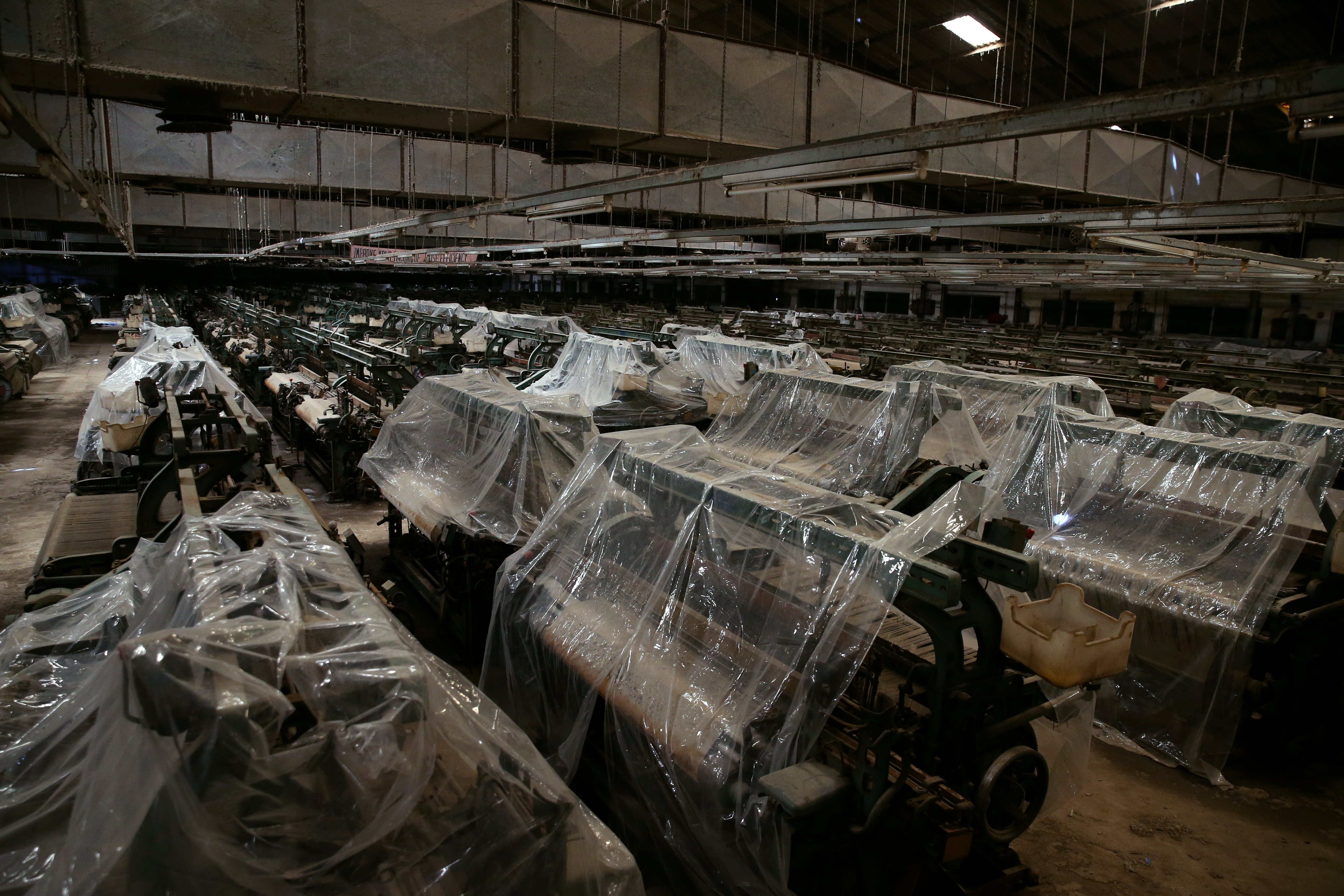
The lawmaker, however, lamented that by 2007, all functional textile mills in Kaduna had shut down, resulting in the loss of more than 7,000 jobs and leaving many industrial facilities abandoned.
Senator Katung further expressed concern that despite the sector’s significant contribution to the economy in the past, Nigeria now depends heavily on imported textile products to meet over 99 per cent of its domestic demand.
He noted that the country’s textile industry was once the third largest in Africa, generating about two billion dollars annually and producing a wide range of products, including African prints, bed sheets, furnishing fabrics, towels, lace materials, wax prints and fishing nets.
Contributing to the debate, several senators supported the motion and urged the Nigeria Customs Service to strengthen border surveillance to curb textile smuggling and ensure proper collection of tariffs on imported textile products.
Bashir M