By Adamu Yusuf
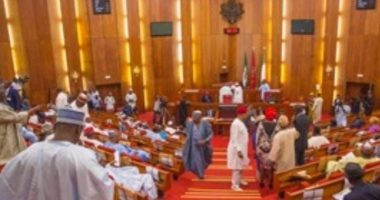
The Leader of the Senate, Senator Opeyemi Bamidele, says the National Assembly is considering a proposal to create 74 additional seats for women in the Senate and House of Representatives as part of efforts to promote gender inclusion in Nigeria’s political and governance processes.
Bamidele, who is also Vice Chairman of the Senate Committee on the Review of the 1999 Constitution, disclosed this on Monday at the 2026 Law Week organised by the International Federation of Women Lawyers (FIDA), Ekiti State Chapter.
He also revealed that the proposal includes the creation of three additional seats for women in each State House of Assembly.
Senator Opeyemi Bamidele, explained that the proposed 74 seats would comprise 37 additional seats in the Senate and 37 in the House of Representatives, giving each state of the federation and the Federal Capital Territory one additional seat in each chamber.
“The three proposed seats in each State House of Assembly would also be exclusively reserved for women, without displacing existing electoral seats”
According to Bamidele, the special-seat arrangement is proposed to operate for 16 years, covering four electoral cycles, after which it would be subjected to a comprehensive review.
He described the initiative as the outcome of extensive consultations and consensus-building under the ongoing constitutional amendment process.
The Senate Leader said the National Assembly was engaging State Houses of Assembly to secure the required concurrence for the proposed constitutional alteration, expressing confidence that the proposals would receive the necessary two-thirds approval.
He stressed that the initiative was not partisan but aimed at addressing the underrepresentation of women in decision-making and strengthening representative democracy.
Speaking on the need to protect women and children, Bamidele called for laws and justice systems that respond effectively to emerging threats, including domestic violence and child abuse.
He said victims must have access to legal assistance, medical care and psychosocial support, while perpetrators should be held accountable in accordance with due process and the rule of law.
Editing by Khadija Kubau