
Residents of Jigawa State have called on Governor Malam Umar Namadi to adopt a more scientific and transparent approach in selecting beneficiaries for government empowerment programs.
They specifically urged the state government to implement the selection process used by the NG-CARES Results Area 2 (FADAMA) across all empowerment initiatives to ensure that grassroots communities benefit from government interventions.
A community leader from Walewale in Garki Local Government, Malam Haruna Abdullahi, stated that the method employed by FADAMA effectively ensured that support reached those in genuine need.
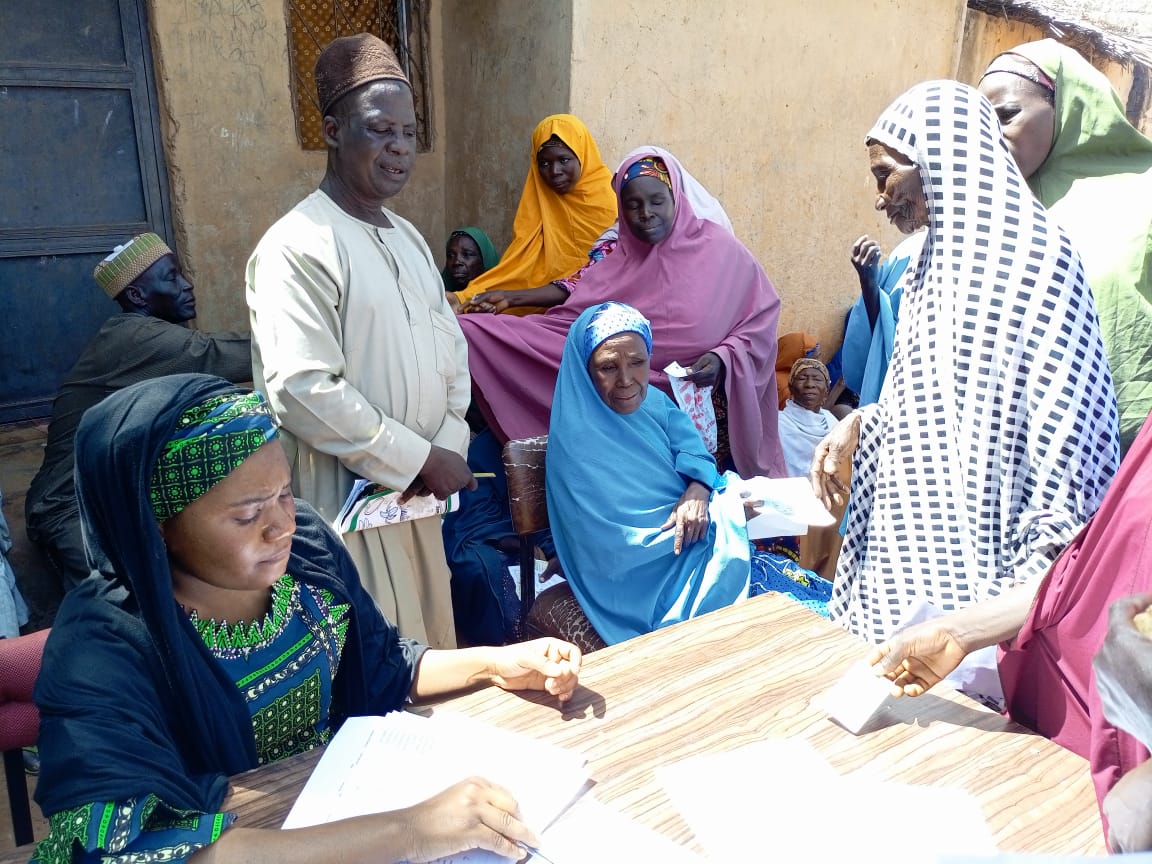
According to him, the process eliminates favoritism and political interference, making government interventions more impactful.
“We have seen how the FADAMA programme under NG-CARES has been able to reach real farmers and those who are in need of the support . If this process is adopted across all empowerment initiatives, it will bring real development to Jigawa State.”
Another resident, Usman Alhaji of Arbun in Auyo local Government , added that adopting a scientific selection process would restore public trust in government programmes.
He pointed out that, people feel excluded when selection is not transparent, adding that the government should ensure that only those who truly qualify benefit from these interventions.
They urged Governor Namadi to extend this approach to other empowerment initiatives in the state, ensuring that government resources reach those who need them the most.
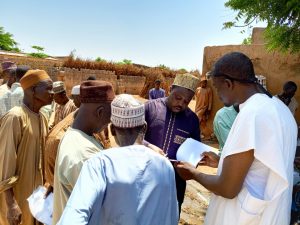
They said that, adopting a scientific approach will enhance the effectiveness and credibility of its poverty alleviation programmes and will help in achieving present administration ‘s efforts in reducing poverty by 10% every year.
Also speaking, the Chairman of the Standing Committee for FADAMA CARES Beneficiaries Selection, Dr. Saifullahi Umar, explained that the NG-CARES (National COVID-19 Action Recovery and Economic Stimulus) program, supported by the World Bank, is designed to mitigate the economic impact of the pandemic.
Dr. Saifullahi stated that Results Area 2, implemented through the FADAMA initiative, focuses on agricultural support and livelihood improvement.
The Chairman emphasized that the program employs a rigorous needs assessment and a scientific approach in selecting beneficiaries.
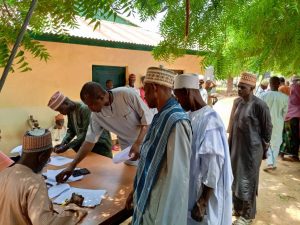
He said the, the committee used community poverty and vulnerability ranking developed by world Bank and random sample selection technique in selection of benefiting community and individuals.
COV/USMAN MZ