
By Khadijah Aliyu
Kano State Government has increased the number of health facilities providing adolescent and youth-friendly health services from 340 to 743 as part of efforts to improve access to quality healthcare for young people across the state.
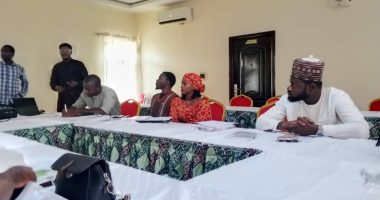
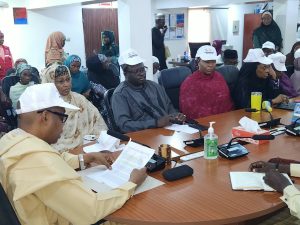
The Commissioner for Health, Dr. Abubakar Labaran Yusuf, disclosed this during a press briefing to commemorate the 2026 International Adolescent Health Week, themed “Nothing About Us Without Us: Power, Voice and Health Equity for All Adolescents.”
Dr. Yusuf said the expansion reflected the government’s efforts to ensure that adolescents have access to equitable, quality and youth-friendly healthcare services that support their physical, mental and social well-being.
He emphasised the need to involve adolescents in decisions affecting their health and future, stressing that young people should participate in the planning, implementation, monitoring and evaluation of programmes designed to address their needs.
According to the commissioner, the services provided include sexual and reproductive health information and care, mental health support, prevention of sexually transmitted infections, menstrual health, nutrition and prevention of gender-based violence.
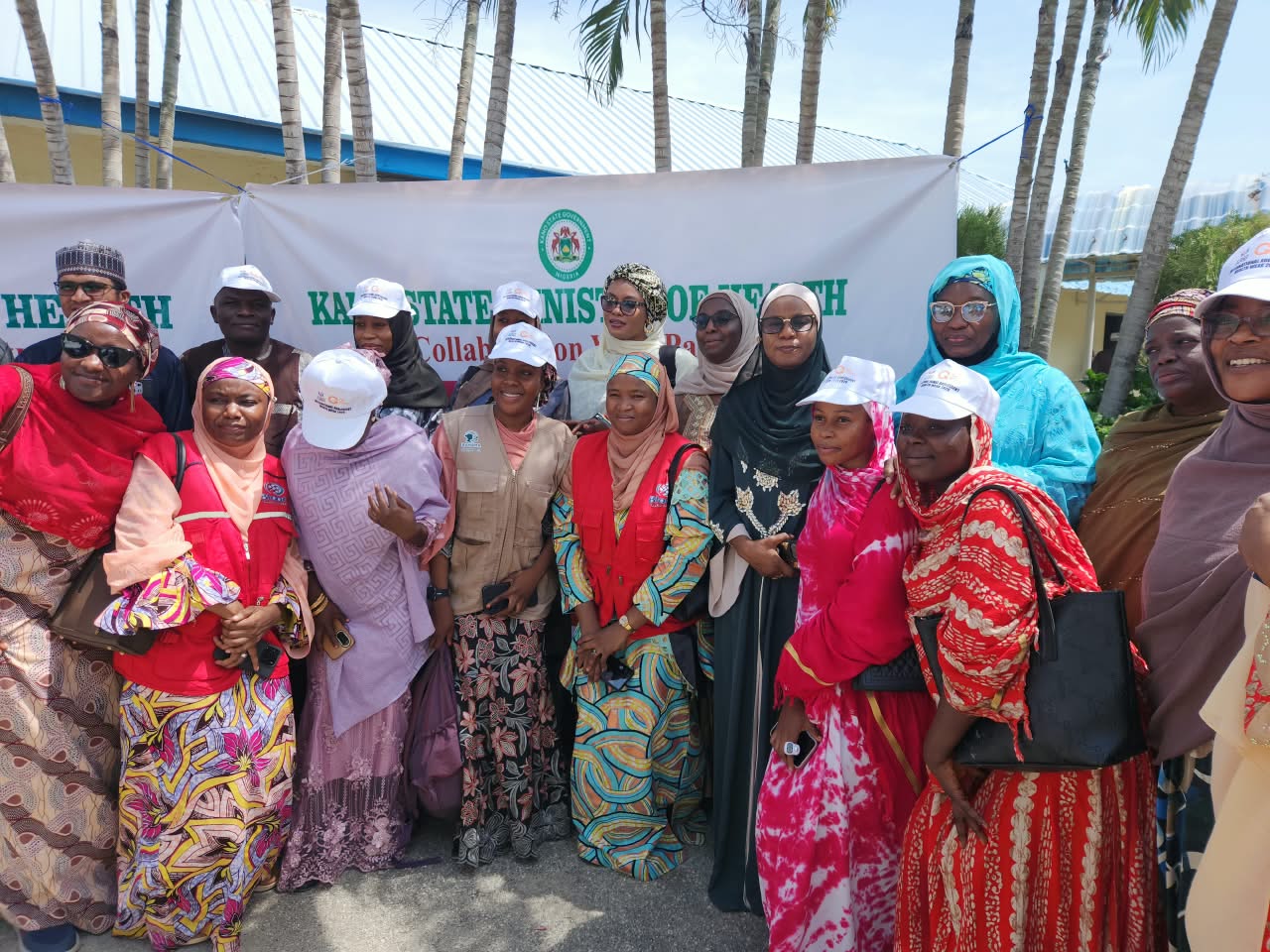
He explained that the Ministry of Health, in collaboration with development partners and other stakeholders, would organise sensitization campaigns, advocacy, capacity-building and community engagement activities across the state to increase awareness and improve access to appropriate healthcare.
Dr. Yusuf called on parents and caregivers to provide proper guidance, listen to adolescents’ concerns and support them in making informed decisions about their health and future.
He also urged healthcare professionals to provide respectful, confidential and quality services, while encouraging traditional and religious leaders, educators and community organisations to address social and cultural barriers that may prevent young people from accessing reliable health information and appropriate care.
The commissioner appealed to media organisations to promote accurate and responsible reporting on adolescent health, amplify young people’s voices and educate the public on the importance of adolescent-friendly healthcare services.
He acknowledged the contributions of development partners, including the Society for Family Health’s A360 programme, Girl Effect, Bloom Initiatives, Gwarzo Foundation and SIDES, alongside healthcare workers, youth champions, community leaders and parents, towards improving adolescent health in Kano State.
Dr Yusuf urged adolescents to actively participate in health-related engagements and seek reliable information, assuring that the state government would sustain efforts to expand adolescent-friendly services and create an environment where every young person is heard, respected and empowered to make informed decisions about their well-being.
Editing By Godwin Duru