
By Fatima Aliyu
The Civil Society Scaling-Up Nutrition in Nigeria (CS-SUNN) has urged journalists to intensify investigations into government spending on nutrition programmes to ensure that budgetary allocations translate into improved health outcomes for women and children.
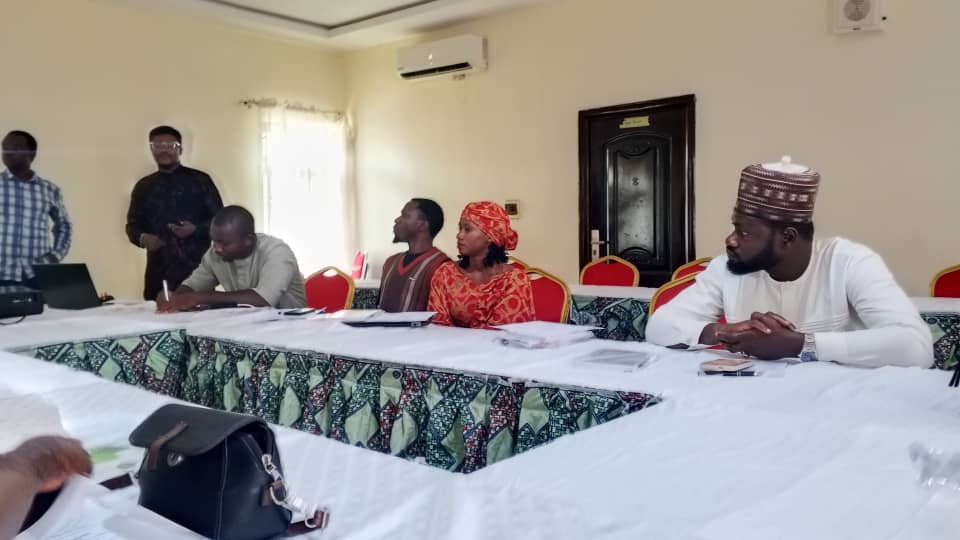
The organisation made the call during a media engagement on domestic nutrition financing in Kaduna, where it stressed the need for greater transparency and accountability in the implementation of nutrition budgets.
CS-SUNN Communication Manager, Olushola Peters, urged journalists to look beyond budgetary approvals and investigate whether funds were released on time, properly utilised and spent on their intended programmes.
He said budgetary allocations alone could not guarantee effective service delivery, noting that timely fund releases and transparent expenditure were essential to achieving the objectives of nutrition interventions.
According to figures presented by the organisation, Kaduna State recorded an average nutrition budget performance of 42.5 per cent between 2021 and 2025, despite an aggregate allocation of approximately 14.4 billion naira during the period.
Presenting its domestic nutrition financing investment case, CS-SUNN said Kaduna State would require an additional investment of approximately 599 billion naira between 2026 and 2030 to scale up essential nutrition interventions and achieve projected health benefits.
The organisation estimated that the investment could help save nearly 98,900 children under five during the period, adding that every naira invested in nutrition could generate an estimated five naira in economic returns.
It identified delayed fund releases, inadequate budgetary provisions, shortages of essential nutrition commodities and dependence on development partners as major challenges affecting nutrition programmes.
It also called for increased investment in breastfeeding promotion, vitamin A supplementation, micronutrient supplementation and nutrition services at primary healthcare facilities.
Earlier, the CS-SUNN State Chapter Coordinator, Mrs Celestina Ayim, said sustainable financing was essential to reducing malnutrition and improving the wellbeing of vulnerable populations. She noted that poor nutrition could affect children’s survival, educational achievement and future productivity.
The organisation called for stronger collaboration among government agencies, civil society organisations, journalists and development partners to improve nutrition financing.
It urged the media to monitor government commitments throughout the budget cycle, from appropriation and fund releases to expenditure and measurable outcomes, to ensure that public resources benefit pregnant women, nursing mothers and children.
Editing By Yusuf Zubairu