
By Shindong Bala
Stakeholders in Kaduna and Kano States have endorsed initiatives aimed at improving the health and wellbeing of adolescent girls and young women, calling for a review of cultural and religious norms that restrict women from making critical decisions about their health.
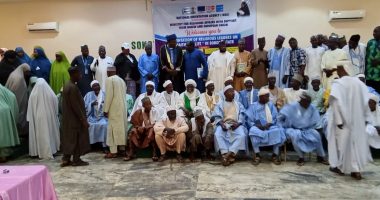
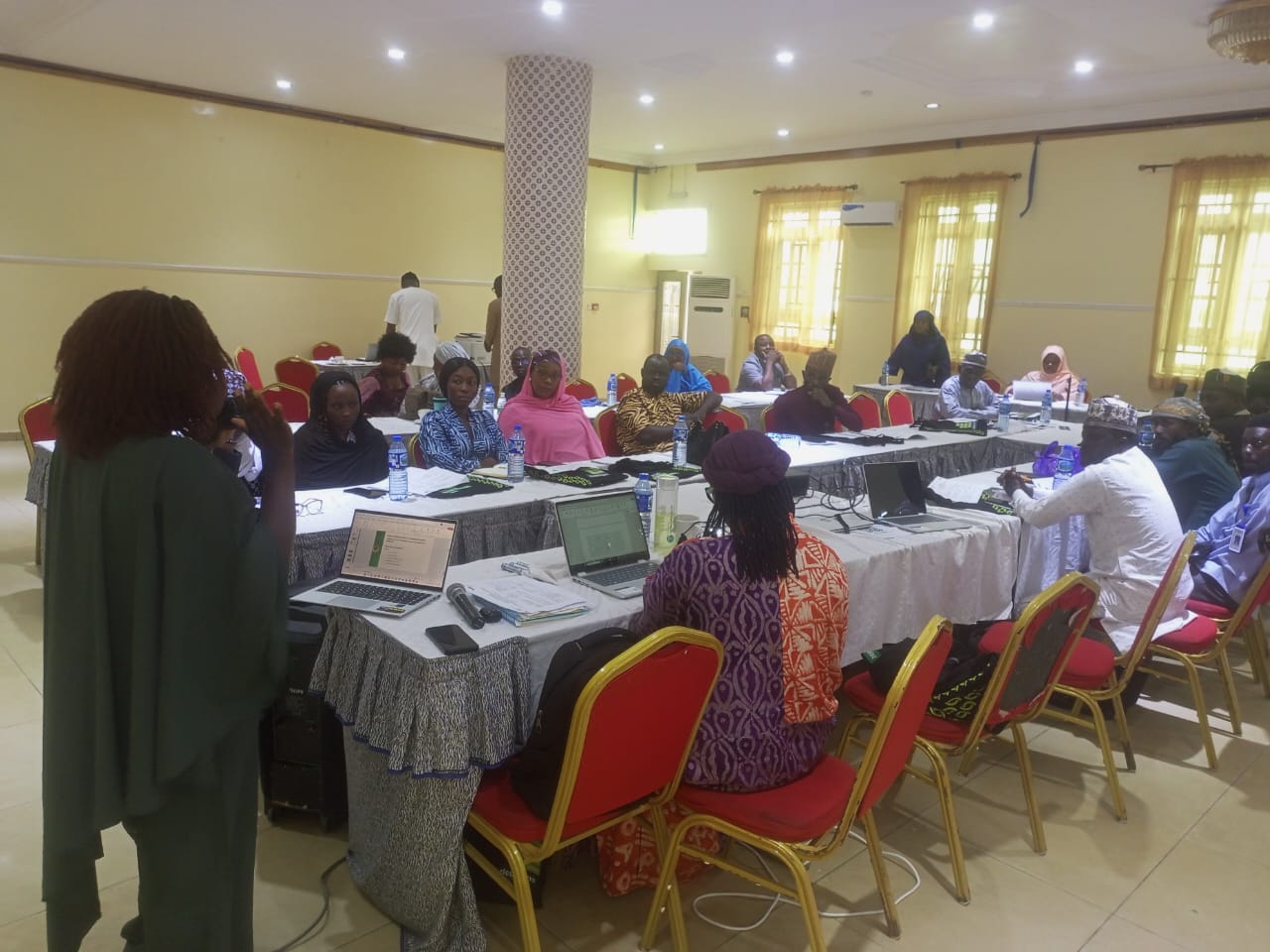
The stakeholders, comprising traditional and religious leaders, made the call at a strategic media engagement organised by Faith and Cultural Champions (FCC), stressing the need to address practices that hinder women’s access to antenatal care, safe delivery services and child-spacing information.
They noted that empowering women with right information, while securing the support of influential community gatekeepers, would contribute significantly to reducing maternal and child health challenges.
A beneficiary, Mrs. Blessing Michael, a mother of two, shared her experience of maintaining a healthy family despite coming from a modest background, attributing her wellbeing and that of her children partly to child spacing.
Mrs. Michael said she spaced the births of her two children by at least three years, attended antenatal care and delivered at a health facility, adding that the decision had enabled her to adequately care for her children and give them a healthy start in life.
Speaking at the engagement, Chairman of AFCC, Kaduna State, Dr. Mohammed Abdulkadir Salanken Zazzau, said the initiative was designed to leverage the influence of existing community institutions and the media to create awareness on maternal and child health.
Zazzau explained that the project focuses on promoting antenatal care, hospital delivery and child spacing, noting that adequate intervals between births give mothers sufficient time to recover and provide better care for their children.
He said the initiative was being implemented through existing community structures rather than imposed on communities, with faith and traditional institutions providing the necessary leadership, support and supervision.

According to him, traditional rulers and religious leaders remain important gatekeepers whose influence can help communities reconsider harmful practices and embrace behaviours that promote safe motherhood and healthy families.
Reverend Father Onu Ladi, another participant at the engagement, also called for greater collaboration among religious institutions, traditional authorities, health workers, the media and community-based organisations to improve maternal and child health outcomes.
He stressed that religious and cultural leaders had a responsibility to provide accurate, compassionate and life-saving guidance to families, particularly on antenatal care, skilled birth attendance, postnatal services and child spacing.
Ladi noted that some harmful practices persist because women and families lack access to reliable information or fear criticism from their communities.
The clergyman urged faith leaders to use sermons, counselling sessions and other platforms to correct misconceptions, discourage practices that endanger women and children, and encourage couples to seek timely medical care.
He further emphasised the importance of involving men in discussions on reproductive, maternal and child health, saying decisions about pregnancy, delivery and family planning should be based on informed consent, mutual understanding and the wellbeing of the entire family.
Reverend Father Onu Ladi encouraged communities to support women who seek care and to ensure that cultural and religious expectations do not prevent them from accessing essential health services.
Earlier, Deputy Director of the Project Mallam Kabir Abdullahi noted that the strategic media engagement was aimed at promoting transformational agenda towards a shift from negative norms and behaviors for better well being of women .
The initiative is being implemented by Faith and Cultural Champions with support from the Center for Communication and Social Impact.
Editing By Godwin Duru