
Writing By Daniel Karlmax; Editing By Godwin Duru
Habitat destruction has been identified by environmental experts, scientists, and civil society groups as one of the greatest challenges facing the world today.
The destruction occurs when natural environments such as forests, rivers, wetlands, and grasslands are damaged or completely wiped out by human activities.
From urban expansion to agricultural development, human actions continue to place enormous pressure on ecosystems, often leading to the extinction of plant and animal species and threatening the survival of future generations.
Among the most devastating forms of habitat destruction is deforestation, where trees are cut down for farming, timber, construction, firewood, and industrial purposes, leaving forests depleted and ecosystems severely disrupted.
Environmental experts warn that when forests disappear, animals lose their natural shelter and food sources, forcing many species deeper into the wild in search of survival.
Environmental pollution is another major contributor to habitat destruction.
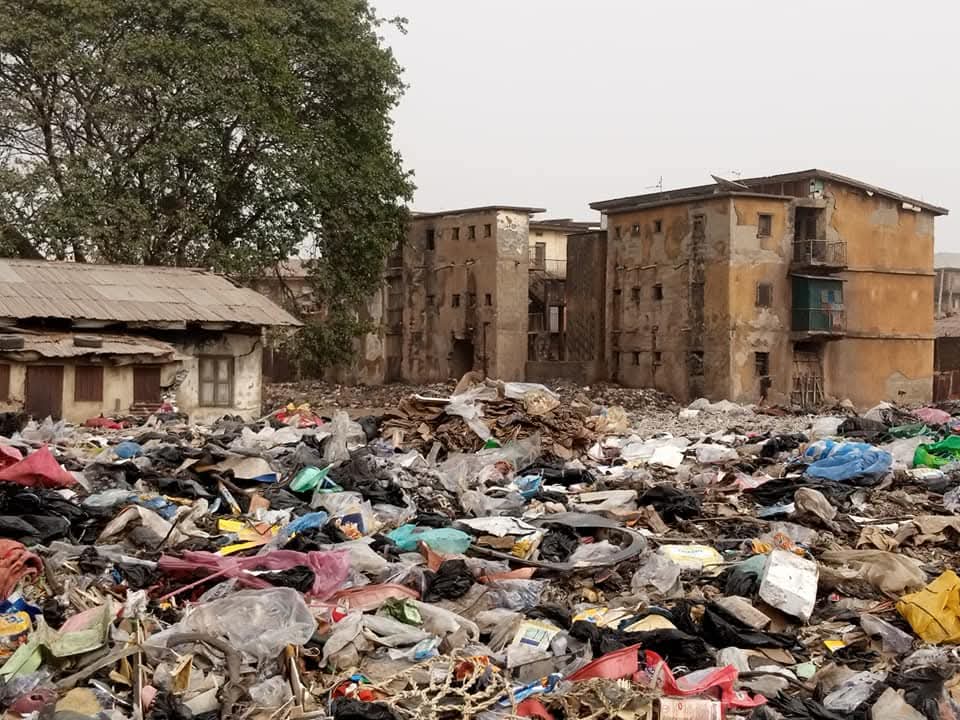
Waste generated by factories, vehicles, and households contaminates the air, water, and land, creating serious health hazards for humans, animals, and plants alike.
Polluted environments not only endanger biodiversity but also make communities increasingly unsafe for healthy living.
Habitat destruction is also closely linked to mining activities and rapid urbanization.
Vast areas of land are routinely cleared for roads, housing estates, schools, hospitals, and industries.
While these developments are often necessary for economic growth, experts caution that they frequently disturb ecosystems, destroy natural vegetation, and reduce biodiversity.
The consequences are far-reaching as natural habitats disappear, many species become endangered or extinct, and climate change is further intensified because fewer trees remain to absorb carbon dioxide from the atmosphere.
In many regions across the country, communities are already witnessing increased flooding, desertification, declining soil fertility, and poor agricultural yields.
Bush burning and overgrazing have also continued to worsen environmental degradation, as they destroy vegetation cover, weaken soil quality, and accelerate desert encroachment, particularly in vulnerable rural communities that depend heavily on farming for survival.
Environmental stakeholders say urgent and coordinated action is needed to reverse the trend, calling on governments to strengthen and enforce environmental laws aimed at curbing illegal logging, pollution, and harmful mining activities.
Experts are also advocating for aggressive tree-planting and afforestation programmes to restore lost forests, improve air quality, and mitigate the effects of climate change.
Proper waste disposal and recycling, they note, remain essential steps toward reducing environmental pollution.
Beyond policy measures, environmental education has been identified as a critical tool for promoting climate action and sustainable living.
Schools and community organisations are encouraged to educate citizens on the importance of protecting nature, conserving wildlife, and preserving ecosystems for future generations.
Farmers, too, are urged to embrace modern agricultural practices such as precision farming and sustainable land management techniques that help protect the soil and reduce land degradation.
In addition, experts recommend increased investment in renewable energy sources such as solar and wind power to reduce dependence on environmentally harmful activities.
Environmental advocates urge people to avoid bush burning, reduce indiscriminate tree felling, and actively support conservation programmes in their communities.
Protected areas such as national parks and forest reserves, experts say, must also be properly maintained and safeguarded to preserve habitats for both plants and animals.
Indeed, habitat destruction caused by human activities has become a major threat not only to nature but also to public health and human survival.
Stakeholders insist that the crisis now demands urgent intervention from governments, private institutions, and communities across all sectors.
However, there is hope, through stronger environmental laws, increased awareness, responsible human behaviour, and sustained conservation efforts.
Daniel Karlmax