
By Khadijah Aliyu
The Kano State Primary Health Care Management Board, KSPHCMB, has commenced the development of its 2027 Routine Immunisation Work Plan, with emphasis on reaching zero-dose and under-immunised children across the state.
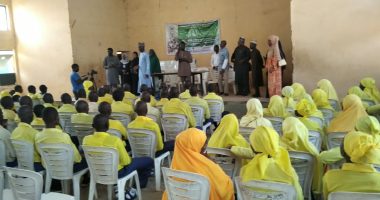
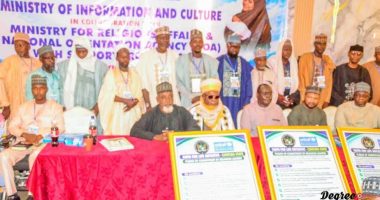
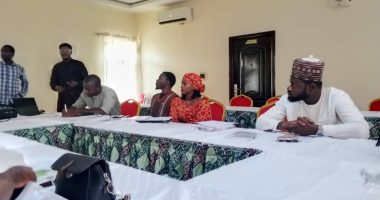
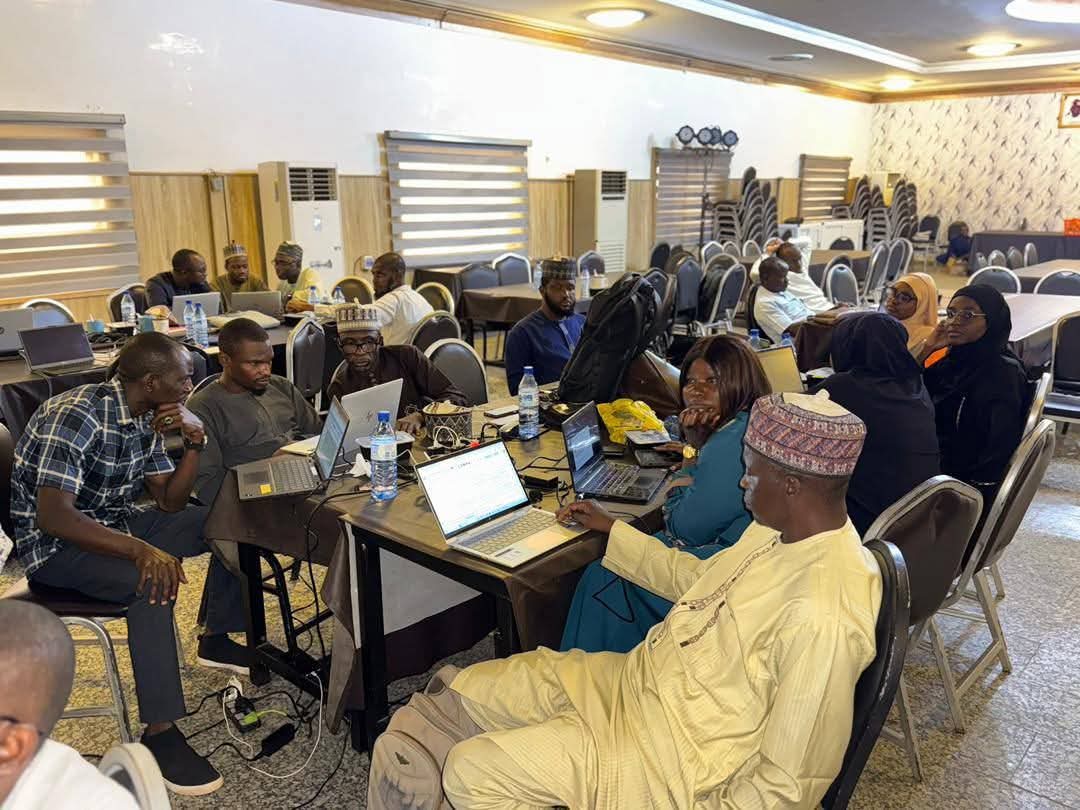
The two-day workshop, held in Kano, was organised by the KSPHCMB in collaboration with Save the Children International through the BOOST Project, funded by GSK, and the Clinton Health Access Initiative, CHAI.
The workshop brought together government officials, thematic leads, implementing partners and technical experts to review the implementation of the 2026 Routine Immunisation Work Plan and identify priority areas for the 2027 programme.
In his welcome remarks, the Director-General of the KSPHCMB, Professor Salisu Ahmed Ibrahim, charged thematic groups and Routine Immunisation partners to change the narrative in 2027 by addressing the factors responsible for low immunisation coverage in the state.
Professor Ibrahim placed particular emphasis on zero-dose local government areas, urging stakeholders to develop targeted interventions to reach children who have never received routine vaccines or remain under-immunised.
He also called for stronger coordination and accountability among government agencies and development partners to ensure that planned interventions translate into improved immunisation outcomes.
Declaring the workshop open, the Director of Disease Control and Immunisation, Dr. Tijjani Habibu, urged the thematic groups to critically assess the implementation of their 2026 plans and use findings from the Situation Analysis, SITAN, to guide the development of the 2027 work plan.
The participants reviewed programme performance and available evidence, while thematic groups presented proposed interventions for technical review and recommendations.
The discussions identified gaps in partner coordination, programme management, supply chain performance, supportive supervision, governance, financial accountability and data quality management.
Participants emphasised the need to strengthen the link between evidence, micro-plan data, measurable targets, ownership and accountability in the implementation of immunisation activities.
The workshop concluded with thematic groups directed to finalise outstanding adjustments to the draft work plan, including activity alignment, costing, budgeting, ownership and partner contributions.
Stakeholders agreed that the final 2027 Routine Immunisation Work Plan should be evidence-driven, with clearly defined responsibilities, measurable outputs and strengthened monitoring mechanisms.
Editing By Godwin Duru