
By Ali Muhammad Rabiu
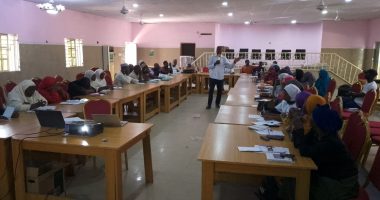
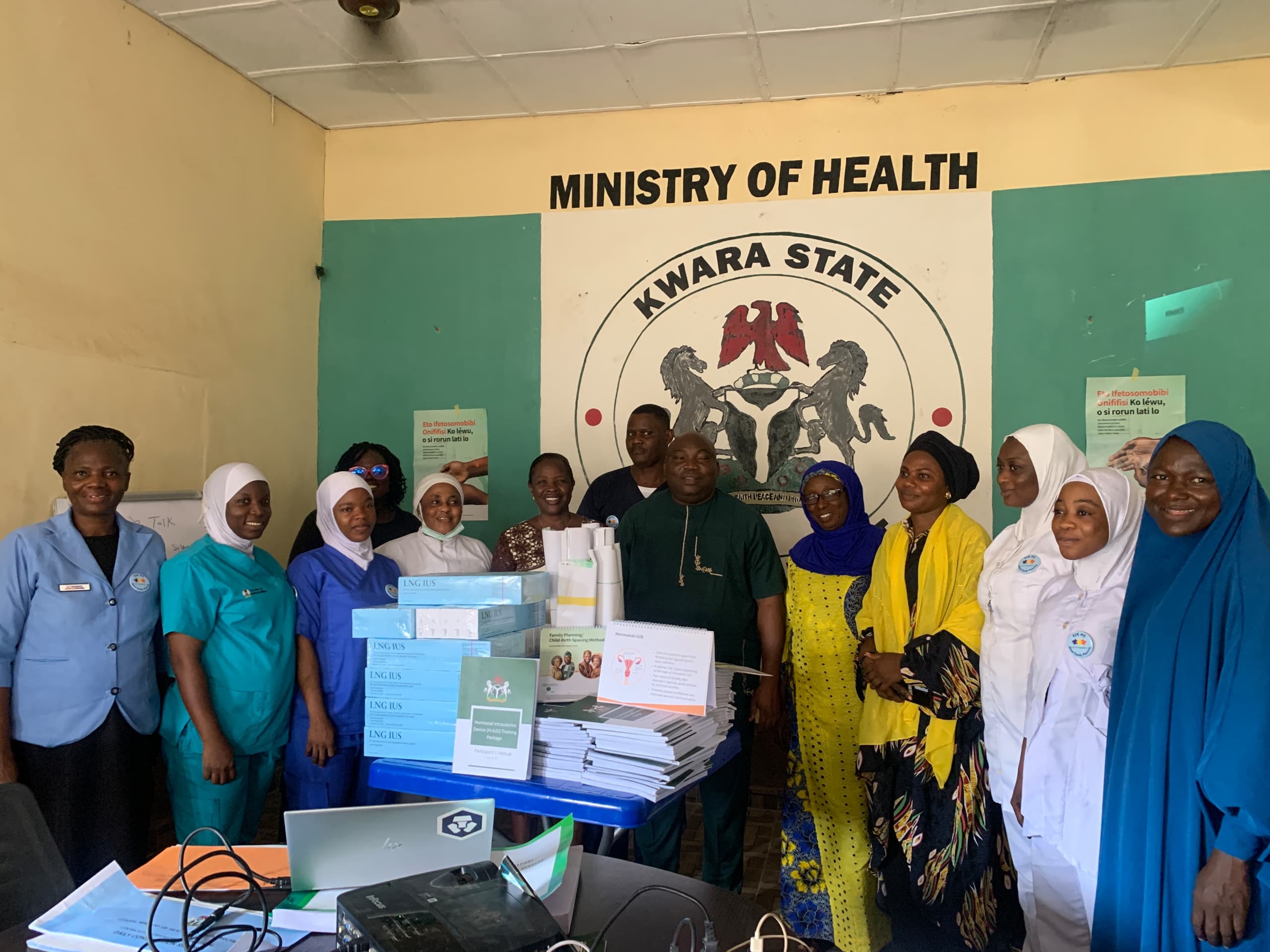
The Kwara State Government has commenced the training of selected healthcare providers on the provision of Hormonal Intrauterine Device (IUD) services and family planning data management to improve access to quality family planning services.
Speaking during the training in Ilorin, the state Commissioner for Health, Dr. Amina Ahmed El-Imam said the training brought together selected healthcare workers and relevant family planning personnel to strengthen their capacity, and provide safe as well as effective hormonal IUD services across health facilities in the state.
Represented by the Director of Public Health, Dr. Oluwatosin Fakayode, the commissioner commended participants for their commitment to the training.
Dr. El-Imam particularly highlighted the importance of men involvement in family planning, urging the male participants to become an advocate and champion for family planning among men in the community.
She explained that male involvement was critical, especially in a culturally sensitive environment, as men could help address misconceptions and encourage other men to support their partners in making informed family planning decisions.
The commissioner disclosed that a previous training supported by EngenderHealth had produced 25 trainers on hormonal IUD, adding that the state government had subsequently secured approval for additional trainers to expand the coverage of the service.
Dr. El-Imam urged participants to transfer the knowledge acquired to their respective facilities by orientating facility heads and other healthcare workers, stressing the need for proper documentation and practical application of the training.
She said the state government’s vision was to make Kwara the best place to be born and the safest place for women to give birth, with family planning serving as one of the most cost-effective interventions for reducing maternal mortality.
Dr. El-Imam assured participants that the State Ministry of Health would continue to provide the necessary support for family planning services and would conduct supportive supervision visits to facilities to monitor the implementation of the training.
Earlier in her address, the State Family Planning Coordinator, Hajiya Bashirat Jatto, said the training was to build the capacity of selected healthcare workers to provide hormonal IUD services.
She added that the training would also strengthen the capacity of the selected health in family planning data management and the use of relevant reporting tools.
Editing By Godwin Duru