
Writing by Hudu Shehu; Editing by Abubakar Hamza.
Gombe State government and UNICEF have launched a new initiative on nutrition interventions during the first 1,000 days of life,in a bid to reduce the poor malnutrition indices.
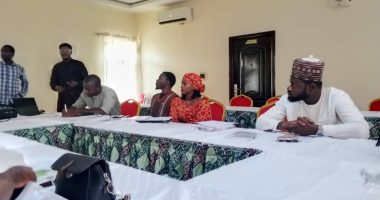
Speaking at a Media Engagement organised by the Unicef , the Executive Secretary of the Gombe State Primary Health Care Development Agency, Dr. Abdulrahaman Shu’aib , said the project was aimed at addressing the challenges of malnutrition from the earliest stages of life.
According to him the stages included maternal health and care during pregnancy, safe delivery practices, infant care, exclusive breastfeeding and appropriate complimentary feeding for children.
Dr. Abdulrahaman Shu’aibu emphasised that the initiative was important because preventing malnutrition requires early intervention and continuous support for mothers, caregivers and communities.
He maintained that the programme will focus on intensifying awareness creation, sensitisation campaign and community engagement, particularly among women and families, to promote improved nutrition practices.
The Executive Secretary said the current malnutrition figures remain a major source for concern, highlighting the urgent need for collective action among government institutions, development partners, healthcare workers and community members.
Also speaking, Unicef Chief of the Bauchi Field Office, Dr. Nuzhat Rafique, explained that the one-year project seek to strengthen nutrition services and improve the health outcomes of children during the first 1,000 days.
She expressed concern over the persistent burden of child malnutrition, poor hygiene practices and open defecation, stressing that many families still lack access to nutrition and diverse diets.
Dr. Nuzhat Rafique noted that strengthening health systems, improving nutrition services and adopting evidence-based planning across all local government areas would be essential to reducing malnutrition rates.
She emphasised the need for behavioural change at the community level, warning that children who become malnourished often suffer irreversible consequences, including reduced cognitive ability, diminished physical capacity and lower productivity later in life.