Writing By Teddy Daniel; Editing By Yusuf Zubairu
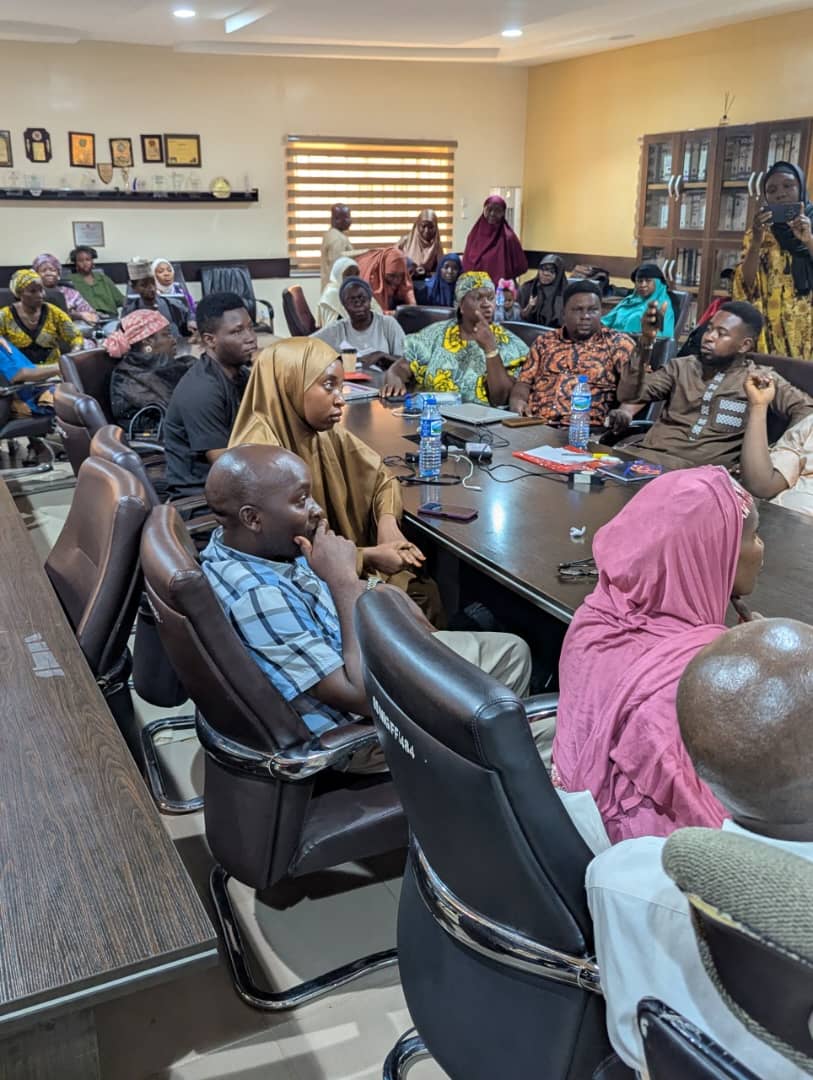
Sightsavers has trained and certified forty six health workers in basic sign language across twenty three health facilities in Kaduna State, in a move at improving access to healthcare for persons with hearing impairments.
The Country’s Advocacy Coordinator, Esther Bature, said the initiative is part of efforts to promote inclusion and ensure effective communication between health workers and deaf patients.
She explained that the training was necessary to bridge communication gaps that often discourage persons with disabilities from seeking medical care.
“There is a need for hearing people to have the capacity to communicate with patients who are hearing impaired whenever they visit health facilities, and that is why we took this initiative,” she said
According to her, poor communication in the past contributed to low healthcare utilization among persons with hearing impairments.
“Before now, we used to have very poor health seeking behaviour within disability communities as many are not comfortable coming to hospitals because there are no sign language interpreters,” she noted.
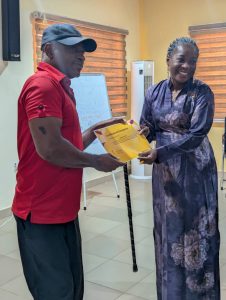
Esther Bature said the training equipped participants with basic skills, including signing alphabets and health related terms, particularly in sexual and reproductive health.
The coordinator added that the programme aligns with provisions of Nigeria’s disability law, which mandates the use of sign language in public services, including healthcare.
She further revealed that Sightsavers is working on developing a digital dictionary of Nigerian Sign Language to improve accessibility and learning adding that it’s organization has had robust synergy with kaduna State government
“We have a strong partnership with the Kaduna State Ministry of Health and the State Primary Healthcare Development Agency and we are hoping the government will provide funding to cascade this training to other facilities,” she said.
A participant, Yahaya Inusa from Kaduna South Primary Healthcare, described the training as impactful and pledged to replicate the knowledge at the grassroots.
Another participant, Amina Bala Umar from Giwa Hospital, said the training has already improved communication with patients.
“Now we can communicate with deaf patients when they come to the hospital, which we could not do before and they feel more comfortable and confident seeking care,” she said.
Relevant stakeholders say the initiative will improve healthcare access, boost confidence among persons with disabilities, and ultimately reduce preventable health complications within the deaf community.