Writing By Daniel Karlmax; Editing by Godwin Duru
The Interfaith Mediation Center (IMC), Kaduna, under its Community Initiative to Promote Peace (CIPP), has emphasized the need for a strong and trust-based relationship between the police and the public as a foundation for peaceful coexistence and national development.
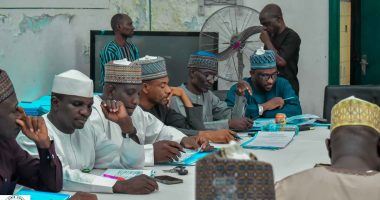
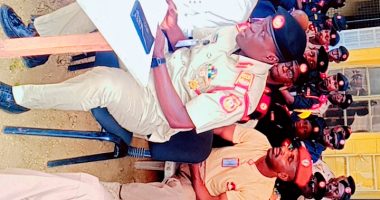
The Co-Founder of IMC, Imam Muhammad Ashafa, made this known during a one-day trust-building Training of Trainers workshop tagged “Police I Care”, organized by IMC at the Kaduna State Police Command.
Imam Ashafa explained that the trust-building programme was conducted under the Initiative of Change, also known as Moral Re-Armament, whose vision is to inspire, equip and connect people to address global challenges, beginning with personal transformation.
According to him, a just, peaceful and sustainable society can only be achieved when individuals embrace the core values of honesty, unselfishness, love and purity, with everyone contributing their unique role to society.

He noted that the programme was designed to bridge gaps, promote mutual understanding and rebuild trust between the police and the communities they serve.
“The initiative is also aimed at building communities with strong trust, where bad elements, both within the security agencies and the society can be identified and addressed, thereby creating a safe environment for all,” Imam Ashafa said.
Other facilitators, including Reverend James Wuye and Bitrus Dangiwa, observed that over time, misconceptions about the police had made many civilians uncomfortable whenever they encountered officers.
They explained that the programme was intended to explore ways the police and civilians could work together for the overall good of their communities, stressing that the police and the public are inseparable.
“The police were once civilians before joining the force. Their duty is to ensure peace in the community. Avoiding them does not help; strengthening relationships does,” one of the facilitators noted.

They added that the workshop provided a platform for honest dialogue, where both police officers and civilians freely expressed their concerns.
According to them, the interaction revealed appreciation from the police toward the community and acknowledgment from civilians that many officers are doing commendable work.
The facilitators said the response from participants showed a desire to extend the training to more officers, including senior police personnel, noting that some officers had not attended any form of training since joining the force.
Speaking on behalf of the police, ASP Tawon Yoba’a Aboi and Inspector Sarah Ayuba described the programme as timely and impactful, saying it helped break long-standing barriers between the police and the public.

They noted that participants were allowed to speak openly about their grievances, which would help improve understanding, communication and service delivery.
According to them, the programme helped civilians understand that police officers are humans like everyone else, while officers also realized the importance of respectful communication, honesty and fair investigation of cases.
They urged members of the public to respect the police and not be afraid of them, while also emphasizing the need for communities to present people of good character during police recruitment.
“This is a long-awaited initiative. The police are not wicked; negative behaviour often reflects an individual’s background, not the institution itself,” one of the officers said.
They further explained that the Nigeria Police recruits adults from the age of 18 and that character formation largely begins at home.

While acknowledging the presence of both well-behaved and ill-behaved officers, they stressed that communities should not push problematic individuals into the police force.
“The police force reflects what society gives to it. Communities should not keep their best brains for other professions and send only those they are tired of into the police,” they added.
Some civilian participants commended the maturity displayed during the programme but identified delayed emergency response, human rights violations and poor investigation of cases as some of the challenges facing the police.
The programme brought together traditional and religious leaders, civil society organizations, media practitioners, and other stakeholders.
Daniel Karlmax