Out of the 242 million school children displaced by extreme climate conditions across 85 countries in 2024, Nigeria has experienced significant impact, with 2.2 million students and pupils displaced due to flooding, disrupting academic activities throughout the year.
The report, released by UNICEF in commemoration of the 2025 International Day of Education (IDE), revealed that a total of 2,200,200 learners in Nigeria were affected by flooding.
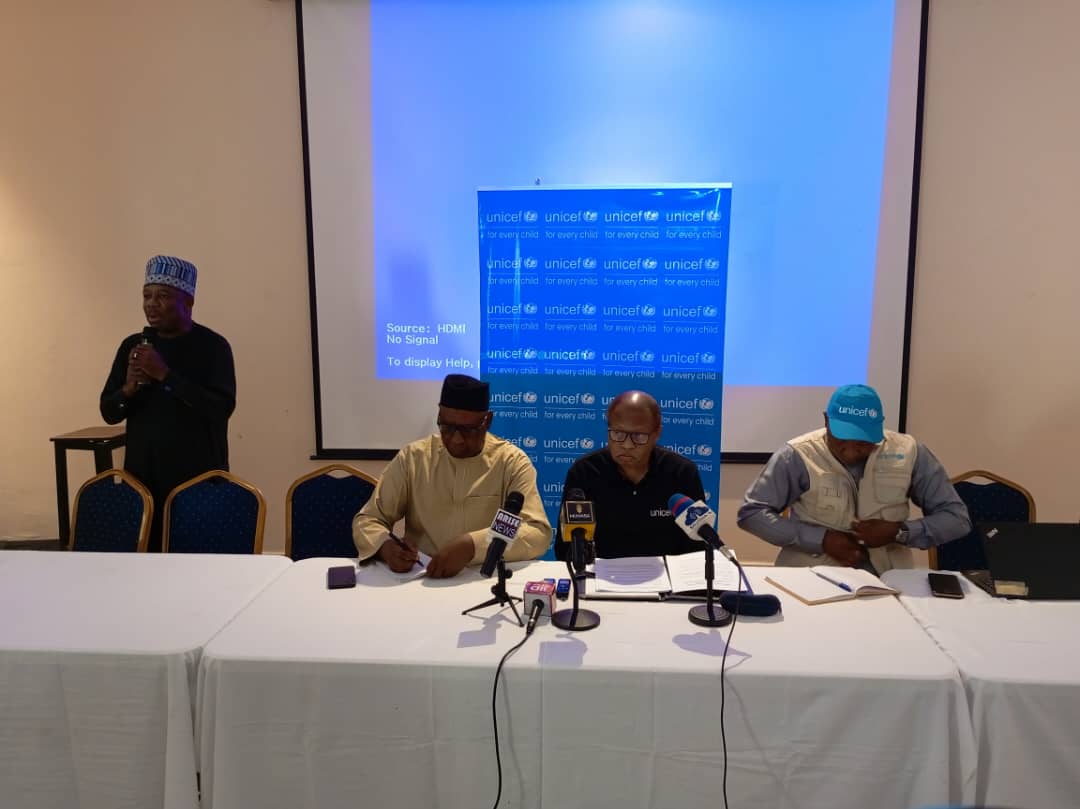
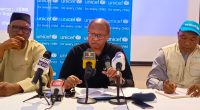
While delivering a speech on the impact of climate change on education, the Chief of the Kano Field Office of UNICEF, Mr. Rahama Farah, highlighted that last year’s floods in Jigawa State damaged 115 school buildings, rendering them unsafe for pupils and students.
He regretted that the incidences led to prolonged school closures affecting the academic calendar for over 92,518 school children across the 27 local government areas of the state.
“In Jigawa state, last year’s flooding has damaged or destroyed 115 school buildings and facilities, making them unsafe or unusable.
“This has led to prolonged school closures and a lack of educational resources for about 92,518 pupils and students, 43,813 female and 48,705 male, across the 27 Local Government Areas in the state”, Mr. Farah said.
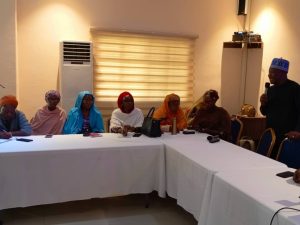
He noted that UNICEF, with support from the Foreign and Commonwealth Development Office of the UK, is supporting the governments of Kano and Jigawa States to provide climate-resilient learning environments to mitigate the impact of climate change on learning.
He explained that in 2024, UNICEF engaged 1000 youths, 350 in Jigawa and 650 in Katsina, to plant a total of 300 trees in desert and flood-prone areas in the two states to mitigate the impact of climate change.
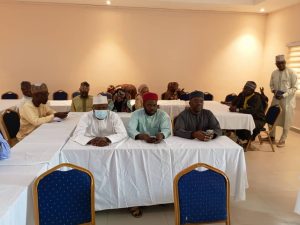
“With the Support of partners, including the Foreign, Commonwealth and Development Office of the UK, UNICEF is supporting the states of Kano and Jigawa to provide climate resilient learning environment to mitigate the impact of climate change on learning.
“In the last one year, UNICEF has engaged 1000 youths, 350 in Jigawa and 650 in Katsina, on acting on the Climate Change, resulting in the planting of 200 trees in Jigawa and 100 trees in Katsina state respectively”.
The UNICEF Chief also disclosed that last year the fund constructed climate change resilient Water Sanitation and Hygiene (WASH) facilities in schools and health clinics in areas of need within the three states.
He said the Fund has also constructed and rehabilitated WASH facilities in 33 schools, 25 in Kano and eight in Jigawa State which are being used by 39,432 children in the two states.
COV/Usman Mohammed Zaria