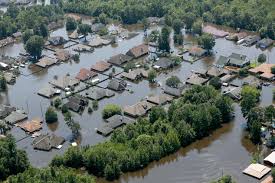
United Nations Children Fund UNICEF says more than 2.5 million people in Nigeria are in need of humanitarian assistance as a result of floods that ravaged many communities in the country.
In a statement by the UNICEF Representative in Nigeria Cristian Munduate , said 60 per cent of the figure are children and are at the increased risk of waterborne diseases, drowning and malnutrition due to the most severe flooding in the past decade.
Munduate explained that, the floods had affected thirty four states in the country while over 1.3 million people have been displaced.
Over 600 people have lost their lives and over 200,000 houses have either been partially or fully damaged. Cases of diarrhoea and water-borne diseases, respiratory infection, and skin diseases have already been on the rise.
He pointed out that, In the north-eastern states of Borno, Adamawa and Yobe alone, a total of 7,485 cases of cholera and 319 associated deaths were reported as of 12 October.
“Children and adolescents in flood-affected areas are in an extremely vulnerable situation,”
“They are particularly at risk of waterborne diseases and emotional and psychological distress. UNICEF is working closely with the Government and other partners to provide life-saving assistance to those who are most in need.”
“The floods are adding another layer of complexity to an already precarious humanitarian situation in the country. Immediate priority needs for children include health, water, sanitation, and hygiene; as well as shelter and food. Additional funding and resources are required to respond to growing needs and to sustain ongoing humanitarian interventions, with a focus on the most vulnerable, including children with disabilities”.
“According to UNICEF’s Children’s Climate Risk Index (CCRI), Nigeria is considered at ‘extremely high risk’ of the impacts of climate change, ranking second out of 163 countries”.
“Children in ‘extremely high risk’ countries face a deadly combination of exposure to multiple climate and environmental shocks combined with high levels of underlying child vulnerability, due to inadequate essential services, such as water and sanitation, healthcare and education”.
According to him, UNICEF has supported the government response in three affected States of Jigawa, Niger, and Kaduna, including through the provision of cash assistance, distribution of cholera kits, government led mobile health teams, temporary learning centres , learning and cholera kits.
REL/AMINU DALHATU