Writing By Daniel Karlmax; Editing By Godwin Duru
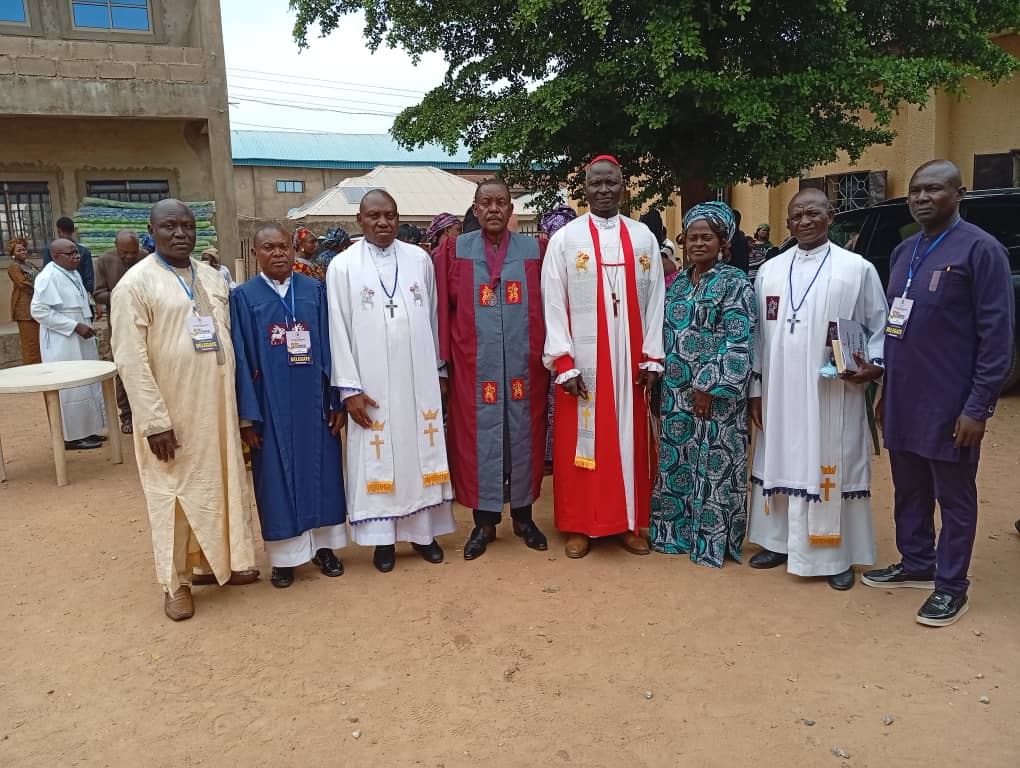
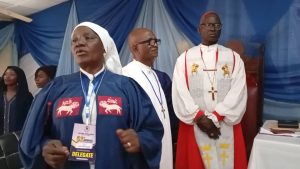
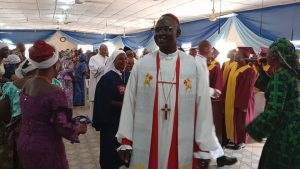
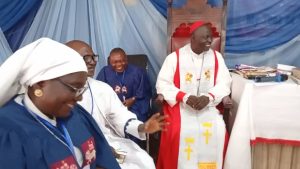
The Methodist Church Nigeria, Diocese of Kaduna, has concluded its 63rd Annual Diocesan Synod with a strong call for national renewal, unity, and unwavering faith in God amid Nigeria’s socio-economic and security challenges.
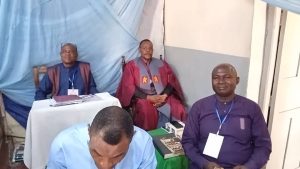
Held at the Methodist Church Nigeria, Kakuri, Kaduna, the Synod gathered clergy and laity under the theme, “I Will Fight for You,” drawn from Exodus 14:14.
The gathering focused on reinforcing trust in divine intervention during difficult times.
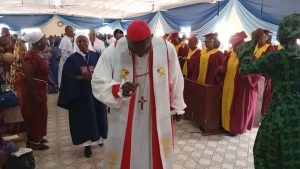
This is contained in a communiqué signed by His Grace, Most Reverend Ibrahim K. Chindo, Bishop/ Archbishop of Kaduna Methodist Church Nigeria and issued at the end of the Synod.
The Church expressed gratitude to God for His continued faithfulness and guidance over the Diocese and the nation.
Participants reflected on the assurance of victory for believers who rely on God despite prevailing hardships.
The Synod emphasized that God remains the ultimate defender of His people, urging Christians to remain steadfast in faith and depend on divine strength rather than human effort.
It encouraged members to deepen their commitment to prayer, obedience, and righteous living.
Addressing the state of the nation, the Synod raised concerns over worsening economic conditions, including rising inflation, unemployment, and general economic instability affecting millions of Nigerians.
It also decried the persistent insecurity across the country, citing terrorism, banditry, and kidnapping as major threats to lives and livelihoods, while expressing concern over governance challenges.
The Synod further noted declining public confidence in the judiciary and highlighted the deterioration in the education sector due to inadequate funding and falling standards.
To address these challenges, the Church called on governments at all levels to prioritize transparency, accountability, and effective implementation of policies that directly impact citizens’ welfare.
It urged the strengthening and depoliticization of security agencies, as well as increased investment in education to secure the future of the nation’s youth.
The Synod also appealed to Nigerians to take responsibility by electing credible leaders and fostering unity beyond ethnic and religious divides in order to promote peace and national cohesion.
In its call to national renewal, the Church encouraged citizens to seek God’s intervention through prayer and repentance, while embracing justice, righteousness, and moral discipline.
On the state of the Church, the Synod acknowledged its continued influence in Nigeria but warned that internal divisions and disunity among Christians weaken its effectiveness and witness.
It therefore recommended stronger ecumenical relationships, deeper commitment to discipleship, and avoidance of doctrinal conflicts that could further fragment the Christian community.
Reaffirming its role in society, the Church pledged to continue serving as a moral compass, raising godly leaders, and speaking truth to power with courage and integrity.
The Synod expressed appreciation to the Kaduna State Government for its efforts toward peace and stability, while also commending clergy, laity, and past leaders for their contributions to the growth of the Diocese.
It made key appeals for support in restoring Methodist educational institutions, providing a befitting Episcopal residence, and encouraging members to contribute generously to the Church’s mission.
The Synod made a declaration of faith, affirming that God will fight for His people, the Church will overcome its challenges, and Nigeria will experience restoration and lasting peace.
Daniel Karlmax