
Governor Dauda Lawal has approved a 120-day Rapid Intervention Action Plan aimed at addressing critical systemic challenges in Zamfara State’s education sector.
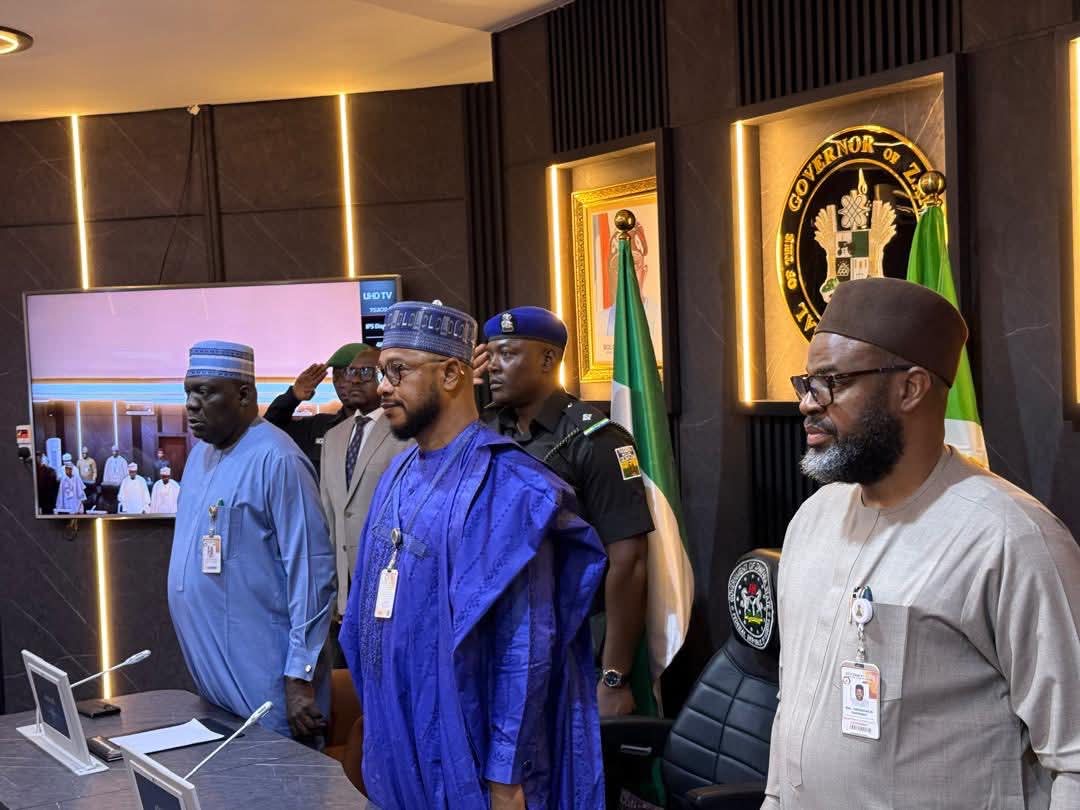
The decision was taken during the State Executive Council’s 65th meeting, presided over by the governor at the Government House in Gusau.

A statement by the Governor Spokesperson, Sulaiman Bala Idris indicated that key issues across education, health, works, and other sectors were deliberated upon, with major approvals granted to reposition service delivery in the state.
Sulaiman explained that, Central to the meeting was the approval of the education intervention plan, which builds on earlier diagnostic assessments conducted by the Ministry of Education and the Education Quality Assurance Agency (EQAA).
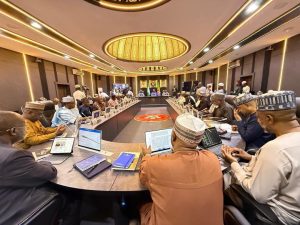
He said the plan was presented by the overseeing Commissioner for Education, Abdulmalik Abubakar Gajam, outlines a series of targeted and time-bound reforms.
It include payroll audits, comprehensive school mapping, and infrastructure assessments, alongside strategic interventions focused on governance, digital transformation, teacher capacity development, and student welfare.

According to Sulaiman Bala Idris, the Council had also approved the establishment of a joint committee to identify and assess illegal or unapproved structures erected around school premises.
“The committee, to be led by the Ministry of Education, Science and Technology, is mandated to ensure the removal or relocation of such structures to secure learning environments.
Additionally, the Council endorsed the development of a single, unified Education Sector Bill covering Early Childhood Care, Development and Education (ECCDE) to tertiary level.

“The draft legislation, developed in consultation with key stakeholders including government agencies, civil society organisations, traditional rulers, and development partners, is to be transmitted to the State House of Assembly for consideration and passage within the emergency period.
As part of ongoing reforms, Sulaiman Bala added that, the governor also approved the redeployment of non-teaching staff including messengers, labourers, gardeners, cooks, guards, drivers, and artisans from the Ministry of Education payroll to relevant Ministries, Departments and Agencies (MDAs) or private service providers.
Furthermore, the Council ratified the composition of the Zamfara State Steering Committee on the State of Emergency on Education and authorised it to set up a Technical Working Group (TWG).
“The committee is also empowered to co-opt critical stakeholders such as the Nigeria Union of Teachers (NUT), UNICEF, the Universal Basic Education Commission (UBEC), as well as traditional and religious leaders, private school proprietors, and civil society organisations”
REL/AMINU DALHATU