By Ali Muhammad Rabi’u
The Federal Government has been urged to increase funding for problem-solving and demand-driven research in Nigeria’s tertiary institutions to promote national development.
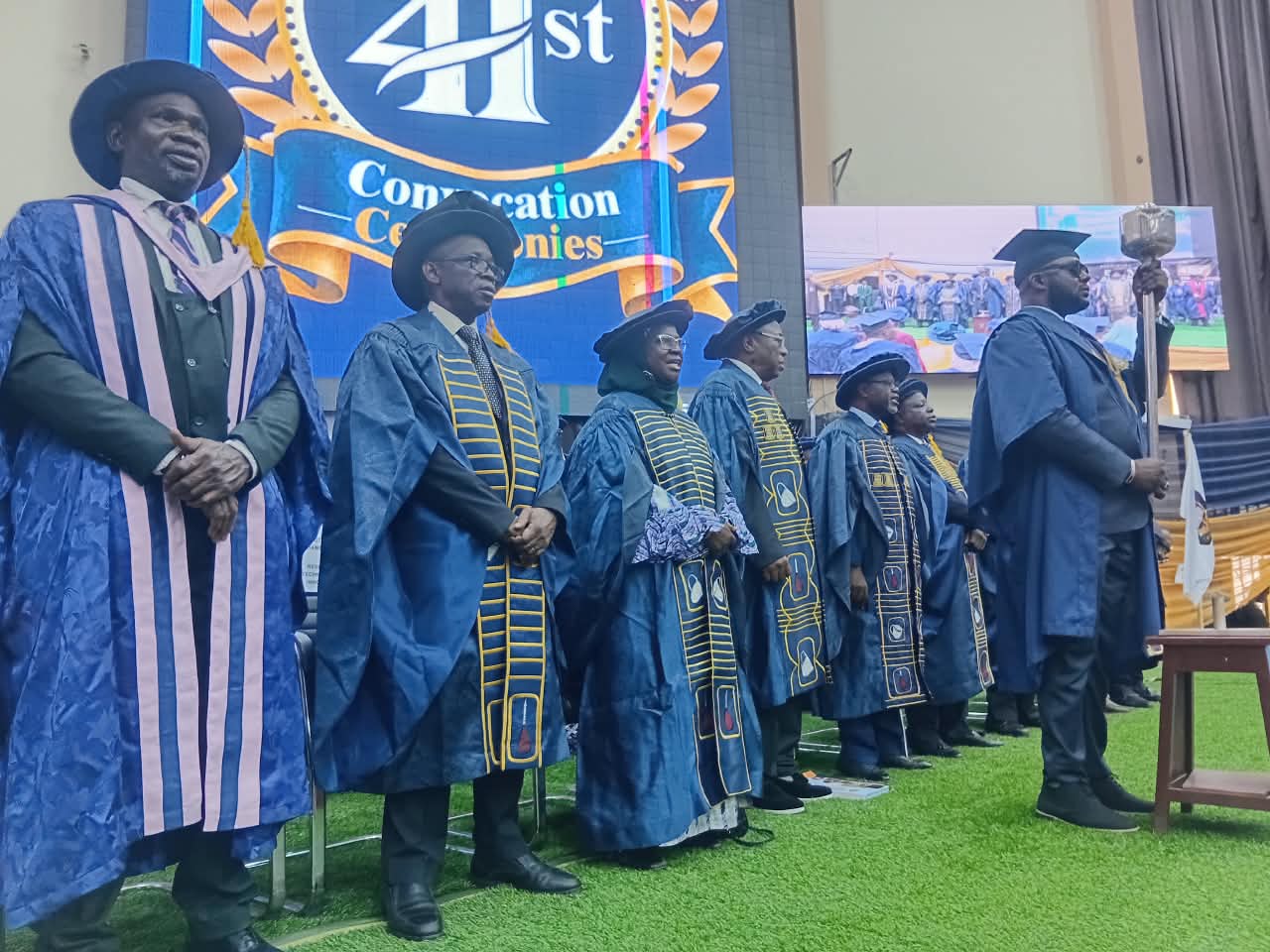
The Pro-Chancellor and Chairman of the Governing Council of the University of Ilorin, Abiodun Aluko, made the call during the institution’s 41st convocation ceremony held at the university auditorium in Ilorin, Kwara State.
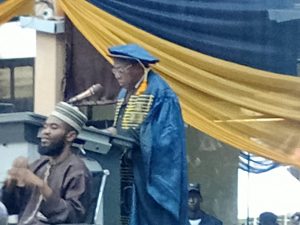 Aluko described research as an engine of development, stressing that no nation could develop beyond the level of research conducted in its universities.
He expressed satisfaction with the sustained interventions of the Tertiary Education Trust Fund (TETFund) in infrastructure and research, as well as the Nigeria Education Loan Fund (NELFUND), which he said had brought significant relief to thousands of students.
The Pro-Chancellor commended President Bola Ahmed Tinubu for his achievements and reforms aimed at transforming Nigeria’s education sector.
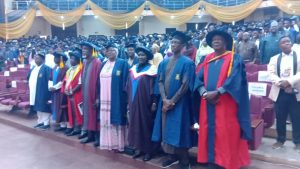 He also praised the harmonious relationship between university management and staff unions, which he said had helped maintain an uninterrupted academic calendar for nearly two years.
Aluko further appreciated the Kwara State Government for its support to the university and urged the graduands to apply the knowledge and skills acquired during their studies to contribute to national development.
In his address titled “Let This Investment Count,” the Vice-Chancellor of the university, Professor Wahab Egbewole, SAN, expressed appreciation to all those who contributed to the academic success of the graduands.
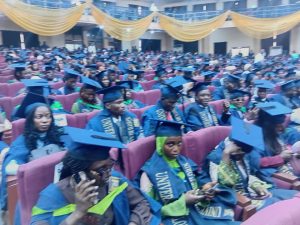 He also commended the Federal Government’s student loan initiative, saying it would help students access quality education.
Egbewole praised the students for their perseverance in completing their academic programmes and said the number of graduands reflected their commitment to their studies.
He urged them to honour the sacrifices made by their parents, the university’s investment in their education, and their personal efforts by making meaningful contributions to society.
A total of 16,152 students graduated from the university in the 2025/2026 academic session, including 365 undergraduates who earned First Class degrees.
Editing Safiyah Abdulkadir