
Writing By Khadijah Aliyu; Editing By Godwin Duru
The Kano State Centre for Disease Control (KNCDC) has urged residents to remain vigilant and strictly adhere to preventive measures to curb the spread of Lassa Fever, as the risk of transmission remains high due to prevailing ecological and environmental conditions in the state.
The advisory, signed by the Director General of KNCDC, Dr. Abbas, followed a national alert issued by the Nigeria Centre for Disease Control and Prevention (NCDC) announcing the start of the 2025/2026 Lassa Fever season across the country.
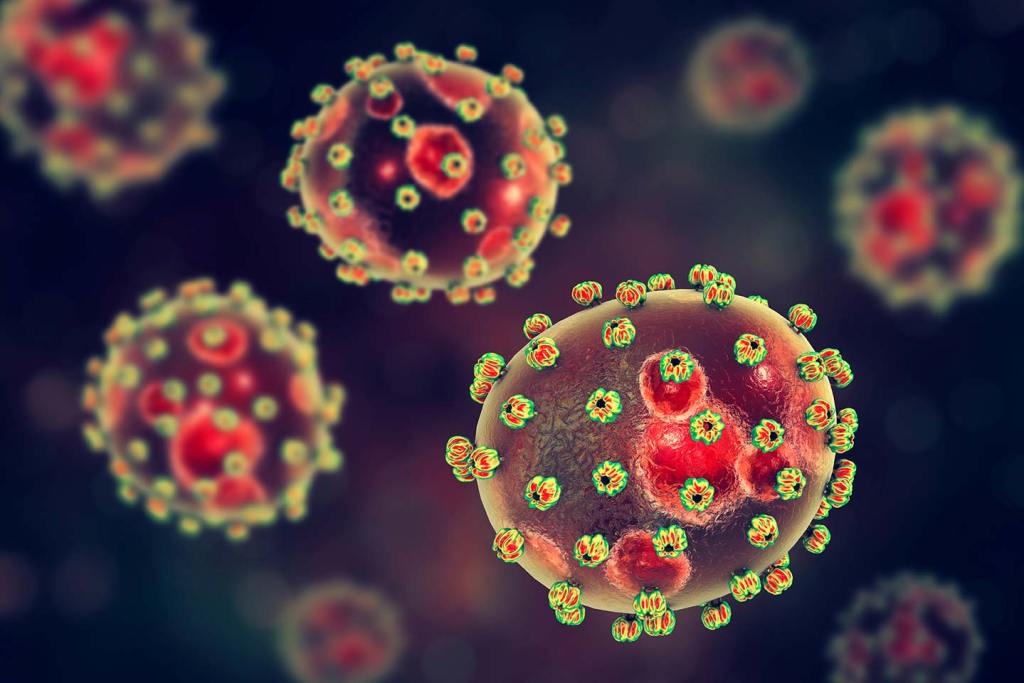
According to the statement, lassa fever is a viral haemorrhagic disease transmitted mainly through contact with food or household items contaminated by the urine or faeces of infected rodents.
Dr. Abbas explained that the disease typically emerges between October and November, with infection rates peaking between January and May every year.
The KNCDC outlined several transmission routes, including contact with food or items contaminated by infected rats, inhalation of particles contaminated with rat urine or droppings and direct contact with the blood, body fluids, or excreta of infected persons.
Dr. Abbas noted that common symptoms include persistent fever not responding to treatment, weakness, sore throat, chest or abdominal pain, vomiting, diarrhoea, and unexplained bleeding.
He advised anyone exhibiting these symptoms to seek immediate medical attention, stressing that early diagnosis and treatment greatly improve survival chances.
The KNCDC Director General disclosed that the state government has activated the Public Health Emergency Operations Centre (PHEOC) to coordinate preparedness and response activities.
He added that the government has launched community sensitization and rodent control campaigns in high-risk local government areas and is strengthening collaboration with environmental and agricultural sectors under the One Health approach to prevent further spread.
“We are also training health workers on case management and infection prevention while ensuring the availability of protective equipment and antiviral drugs in strategic facilities,”
The KNCDC urged residents to keep their surroundings clean, store food in rodent-proof containers, dispose of waste properly, and avoid handling dead rats or consuming bush meat suspected to carry the virus.
Rel/Khadijah Aliyu