
Writing By Khadijah Aliyu, Editing By Godwin Duru
The Federal Government has reaffirmed its commitment to driving a just, inclusive, and equitable transition toward a sustainable, low-carbon future for Nigeria, in line with its climate action goals.
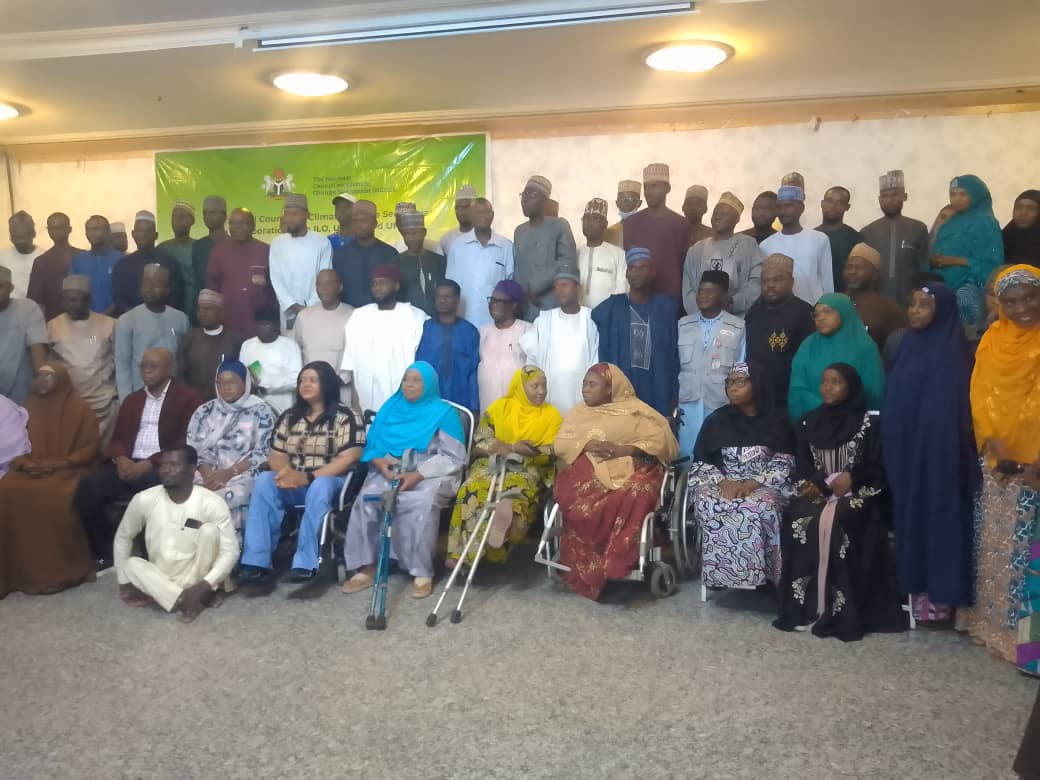
Director General of the National Council on Climate Change Secretariat (NCCCS), Dr. Nkiruka Maduekwe, made the declaration during the second stakeholders’ consultation session on the development of Nigeria’s Just Transition Guideline, held in Kano.
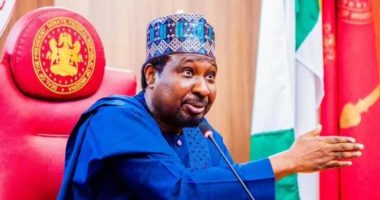
Represented by Bala Rufai Najega , Dr. Maduekwe said the government’s policies including the Energy Transition Plan, Nationally Determined Contributions (NDCs), the Climate Change Act, and the National Development Plan form a strong foundation for a people-centered, economy-driven climate strategy.
“A just transition must align with these priorities to ensure that no community or sector is left behind in the shift toward clean energy and climate-resilient solutions”.
She emphasized that under President Bola Ahmed Tinubu’s Renewed Hope Agenda, the government remains focused on economic growth, job creation, and social inclusion in the climate transition process.
Dr. Maduekwe added that the Just Transition Guideline aims to reflect the diverse voices and lived experiences of government institutions, private sector actors, labor unions, civil society organizations, development partners, and local communities building on insights from the recent Lagos workshop.
In his remarks, Kano State Commissioner for Environment and Climate Change, Dr. Dahiru Muhammad Hashim highlighted the state government’s inclusive approach to climate action.
“As a people-focused government, we are prioritizing climate education, public awareness, and youth engagement,”
Dr. Hashim revealed that Kano State has rolled out school and community-based climate education programs aimed at fostering a culture of environmental responsibility.
He also announced the launch of an ambitious campaign to plant five million trees across the state in 2025, a major initiative to combat land degradation, improve air quality, enhance urban aesthetics, and support biodiversity.
Also speaking at the event, National Project Coordinator for Climate Action for Jobs with the International Labour Organization (ILO), Mr. Stephen Agugua stressed that a well-designed just transition framework will provide clarity and direction across all sectors.
“A just transition is critical for ensuring inclusion, preventing disruption, and guiding Nigeria’s pathway to a greener economy,” Agugua noted.
The stakeholders’ session brought together key actors and partners working to shape Nigeria’s climate resilience and green development strategy, with a strong focus on equity and long-term sustainability.
Radio Nigeria reports that the workshop was organized by NCCCS, in collaboration with ILO , UNIDO, and UNEP.
Cov/ Khadijah Aliyu