
Women and girls have been urged to stop using unhygienic materials such as rags, mattresses, and tissue paper during menstruation, to protect their health and promote proper hygiene.
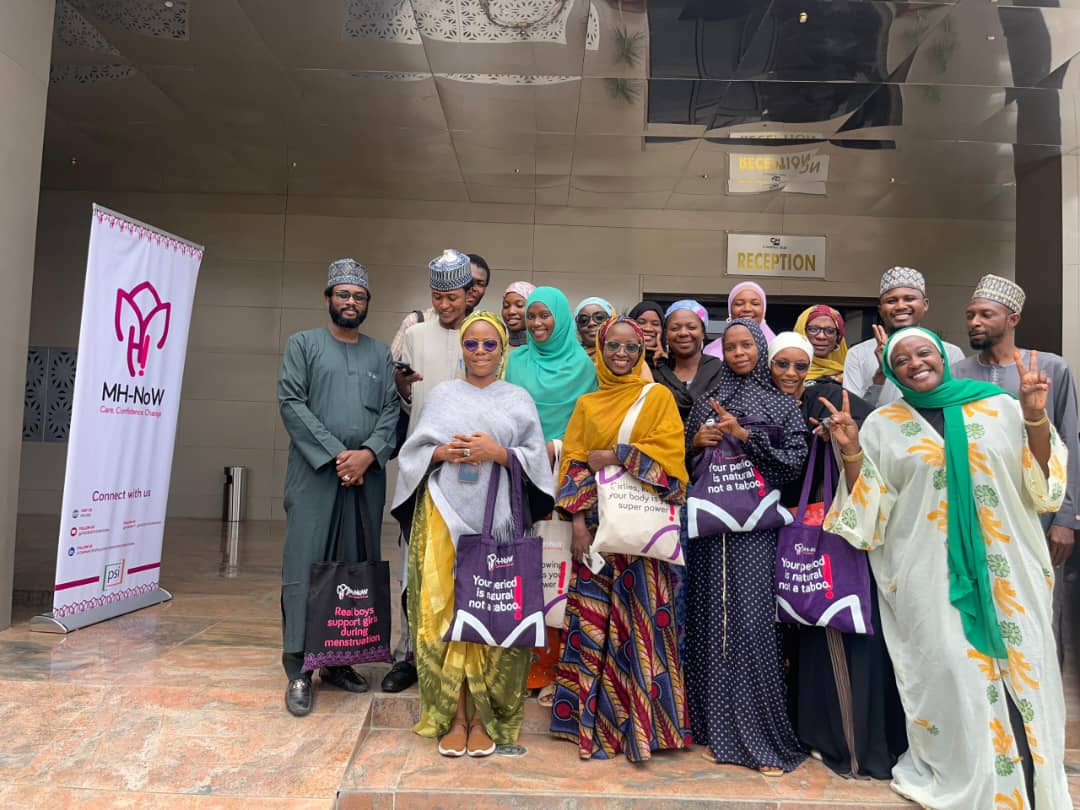
The call was made by Amina Sabiu Musa, Kano State Support Officer for the Menstrual Hygiene Now (MH-NoW) initiative, during a menstrual hygiene workshop for media professionals and social media influencers held in Kano.
Amina Musa explained that the MH-NoW project, implemented by Population Services International (PSI) Nigeria, targets 200,000 girls and young women aged 10 to 24 across the country, with a strong focus on combating menstrual poverty.
She noted that the project will involve engaging distributors of reusable sanitary pads to make menstrual hygiene products more accessible.
“The initiative is being implemented in several Nigerian states, with particular attention to girls and young women in 15 communities across Ghari, Tsanyawa, and Nasarawa local government areas in Kano,” Musa said.
She also stressed the importance of breaking the stigma and silence surrounding menstruation.
“We have trained school champions, community champions, and now media champions to promote awareness and challenge harmful myths and misconceptions,” she added.
Also speaking at the event, the Deputy Director of Research and Statistics at the Kano State Ministry of Women Affairs, Children and Persons with Disabilities, Alhaji Zubair Abdulmumin Zubair, called on parents to prioritize menstrual hygiene by providing their daughters with sanitary pads and proper education.
He lamented that many girls still miss school during their periods due to a lack of access to menstrual products and adequate WASH (Water, Sanitation and Hygiene) facilities.
“The proper use of reusable sanitary pads can significantly reduce menstrual poverty and improve the health, education, and dignity of girls and women,” Zubair emphasized.
He also urged men—including fathers, husbands, and community leaders—to be involved in menstrual education and reject harmful cultural taboos.
“Men must also be educated about menstruation so they can better understand and support the physical and emotional needs of the women in their lives,” he added.
Some participants at the workshop, including Aminu Abdullahi, Hannatu Sulaiman Abba, and Maimuna O. Yusuf, described the training as timely and impactful.
They pledged to act as media champions by sharing the knowledge gained and using their platforms to advocate for improved menstrual hygiene.
Radio Nigeria reports that the workshop attracted a large number of participants from across the media spectrum, including print, broadcast, online, and social media.
Khadijah Aliyu