By Shindong Bala
The Kaduna State Government has renewed its commitment to eliminating river blindness, with fresh evidence of ongoing transmission in Kagarko and Kachia Local Government Areas prompting intensified interventions.
The State Commissioner for Health, Dr. Ummah Ahmad, disclosed this at a Kaduna State Multi-Stakeholder Policy Dialogue on Onchocerciasis Elimination, Community-Led Advocacy and Integrated Neglected Tropical Diseases Control, organised by the Kaduna State Ministry of Health in collaboration with Nigeria Health Watch.
Dr. Ahmad said Kaduna had previously been recognised as one of Nigeria’s success stories in the fight against onchocerciasis after achieving interruption of transmission through years of sustained Community Directed Treatment.
She, however, expressed concern that recent evidence of continued transmission in parts of the state could undermine the gains already recorded and called for renewed, coordinated action to prevent recrudescence.
According to her, findings from the Bridging Borders, Breaking Blindness assessment showed that although willingness to participate in Mass Drug Administration remained high, only 48.7 per cent of respondents had adequate knowledge of onchocerciasis.
She identified misinformation, fear of side effects, insecurity, inadequate reach by Community Drug Distributors, poor feedback mechanisms and low uptake among some population groups as major obstacles to elimination.
The Commissioner stressed that eliminating river blindness would require more than the distribution of medicines, noting that stronger community ownership, policy coordination, advocacy, faith-based engagement and surveillance were equally critical.
Dr. Ummah also announced plans to establish a state budget line for neglected tropical diseases in the 2027 budget, as part of efforts to reduce dependence on donor funding and strengthen domestic ownership of the elimination programme.
She called on traditional and religious leaders to use their influence to mobilise communities for Mass Drug Administration and dispel misconceptions surrounding the disease.
Also speaking, the State Director of Public Health, Dr. Sadiq Abubakar, said elimination of onchocerciasis could not be achieved by the health sector alone, stressing the need for coordinated action among government agencies, development partners, traditional and religious institutions, civil society organisations and communities.
Dr. Abubakar said the dialogue was designed to examine evidence from the Bridging Borders, Breaking Blindness assessment, identify practical solutions for improving Mass Drug Administration coverage, particularly in underserved communities, and strengthen community-led advocacy and social mobilisation.
The Executive Secretary of the Kaduna State Primary Health Care Board, Dr. Bello Jamoh described the continued presence of river blindness as a matter of concern, saying the disease had been eliminated in many countries and parts of Nigeria.
Dr. Joseph pledged his support for the state’s renewed efforts to eliminate the disease.
He also cautioned that onchocerciasis was not limited to affecting the eyes, explaining that the disease could spread to and affect other parts of the body.
The Executive Secretary noted that although Kaduna was not a riverine state, cases of river blindness had been recorded, possibly due to environmental conditions that support transmission.
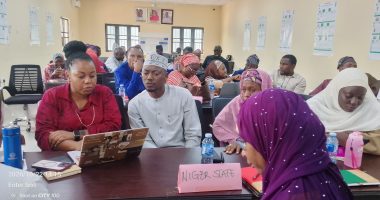
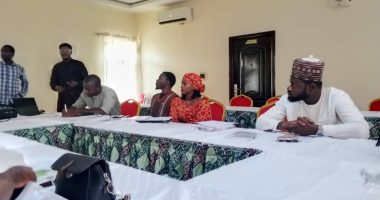
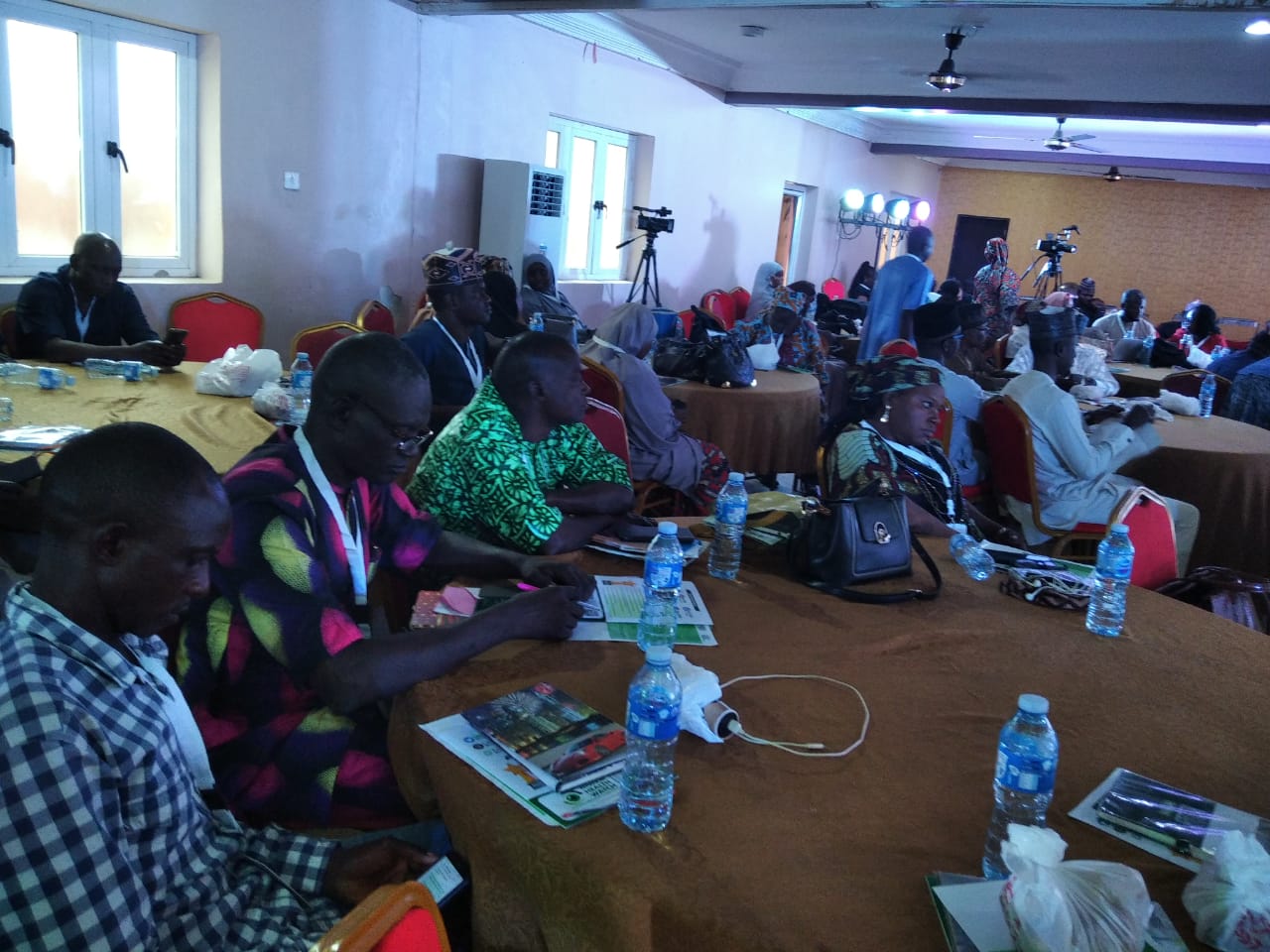
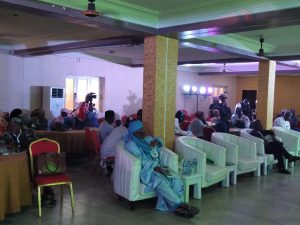
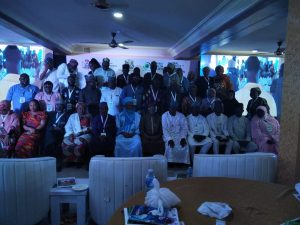
The policy dialogue brought together policymakers, local government officials, health experts, civil society organisations, researchers, traditional and religious leaders, community representatives, the media and development partners to develop coordinated strategies for breaking the cycle of onchocerciasis transmission in Kaduna State.
Editing by BASIRAT MEMUDU