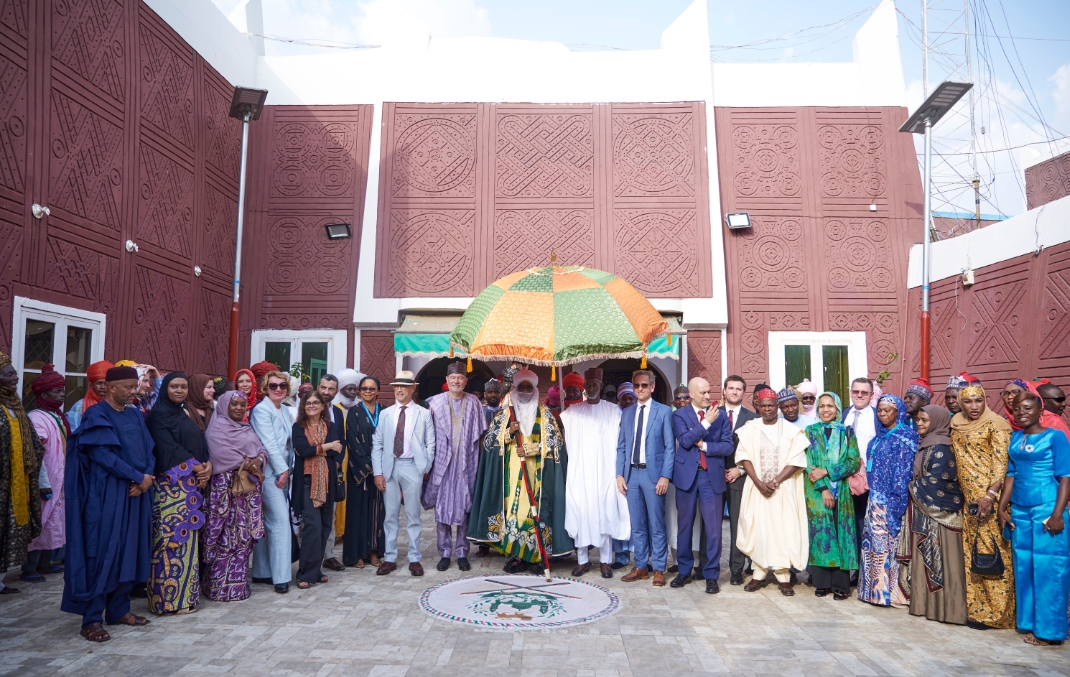
A high-level delegation of European Union (EU) Member States Heads of Mission and their deputies has concluded a multi-day engagement in Kano State aimed at strengthening strategic visibility, public diplomacy and development partnerships across Northern Nigeria.
The delegation, led by EU Ambassador to Nigeria and ECOWAS, Gautier Mignot, included representatives of UNICEF, the German development agency GIZ, Plan International Nigeria, UN-Habitat and other development partners.
According to a statement issued to journalists in Dutse by UNICEF Communication Specialist, Sussan Akila, the visit provided an opportunity for stakeholders to exchange ideas on urban development, youth empowerment and social inclusion.
During a meeting with the Kano State Government, represented by Deputy Governor Alhaji Murtala Sule Garo, the delegation discussed strategies for advancing sustainable development and improving the welfare of residents.
The state government presented its urban development strategy designed to guide sustainable growth, strengthen infrastructure planning, enhance resilience, promote social cohesion and unlock economic opportunities across the Kano metropolitan area with technical support from UN-Habitat.
Speaking during the visit, Ambassador Mignot said the engagement demonstrated the European Union’s commitment to maintaining a visible presence in Northern Nigeria and strengthening partnerships that support inclusive growth, stability and opportunities for communities.
GIZ Country Director for Nigeria and ECOWAS, Dr. Markus Wagner, stressed the importance of investing in women and young entrepreneurs through skills development and enterprise support to build resilient communities and stronger local economies.
At Bayero University Kano, members of the delegation held an interactive session with students, focusing on youth participation in governance and development as well as the importance of locally driven solutions.
Plan International Nigeria Country Director, Dr. Charles Usie, emphasized that quality education goes beyond classroom access and requires sustained investment and partnerships, particularly to support girls and other vulnerable children.
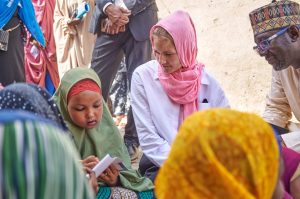
The delegation also visited EU-supported and partner-led projects, including an accelerated education programme implemented by Plan International and a Qur’anic education centre supported by UNICEF to promote inclusive learning and child protection.
UNICEF Representative in Nigeria, Wafaa Saeed, said children and young people remain central to development efforts, noting that investments in education, health and protection are critical to securing a better future for vulnerable children.
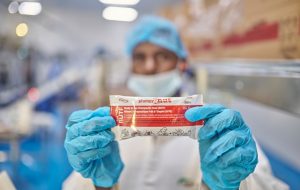
The team further inspected a facility producing ready-to-use therapeutic food for malnourished children and visited Kannywood media platforms to explore the role of local storytelling in promoting social change and public engagement.
The engagement also featured participation in the Northwest Governors’ Forum Policy Dialogue on Reducing Multidimensional Poverty.
The visit ended with a renewed commitment by the European Union and its partners to deepen collaboration across Northern Nigeria, expand opportunities for women and young people, and support inclusive and resilient development systems that respond to local needs.
Usman Muhammed Zaria