
By Adamu Yusuf
The National Emergency Management Agency has called for stronger collaboration among stakeholders to reduce the impact of flood disasters and related hazards across the country during this year’s rainy season.
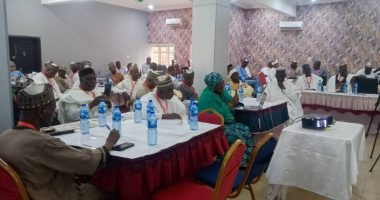
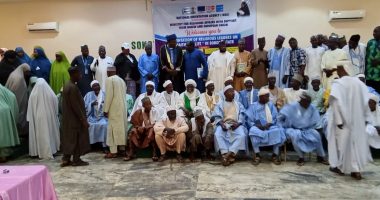
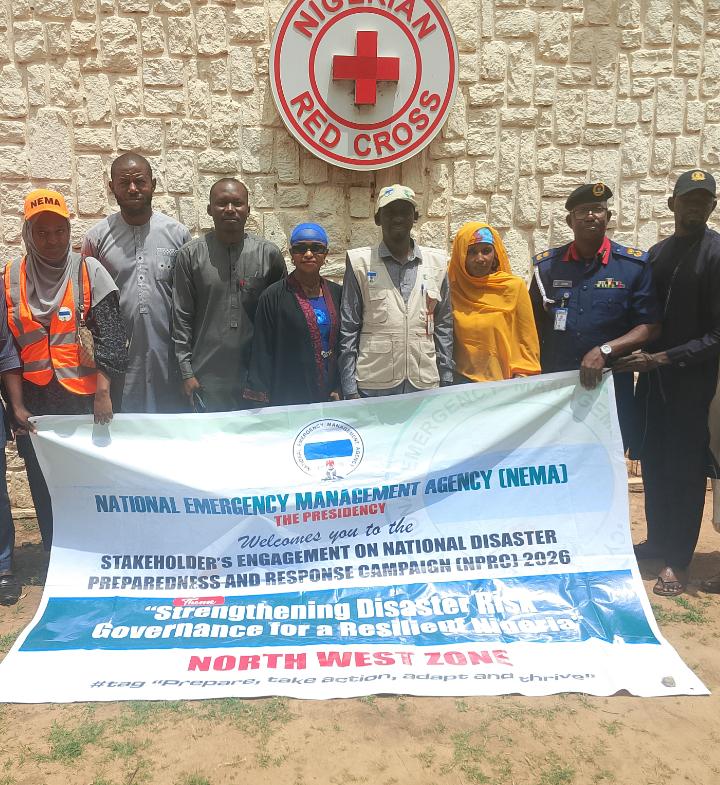
The Director-General of NEMA, Mrs. Zubaida Umar, made the call at the stakeholders’ engagement on this year’s National Preparedness and Response Campaign on Flood Disaster and Related Hazards held in Kaduna State.
Mrs. Umar, who was represented by the Head of Operations, NEMA Kaduna Operations Office, Alhaji Suleman Muhammad, said the campaign was designed to promote early preparedness and coordinated action aimed at protecting lives and livelihoods.
She explained that the theme of the campaign, “Strengthening Disaster Risk Governance for a Resilient Nigeria,” highlights the need for stronger institutions, clearer responsibilities, and proactive collaboration at all levels.
The NEMA Director-General noted that recurring flooding in Nigeria continues to destroy infrastructure, disrupt livelihoods, and displace communities annually.
According to her, the 2026 Seasonal Climate Prediction and Annual Flood Outlook released by the Nigerian Meteorological Agency and the Nigeria Hydrological Services Agency identified 23 states, including the Federal Capital Territory, covering 132 Local Government Areas, as high flood-risk zones, while 14 other states with 148 Local Government Areas were classified as moderate-risk areas.
She stated that NEMA had already convened an expert review meeting to assess the implications of the forecasts, which revealed possible challenges such as delayed rainfall onset, shorter growing seasons, prolonged dry spells, above-normal rainfall, and rising temperatures.
Mrs. Umar said the projected climate conditions could negatively affect agriculture, healthcare, transportation, energy, water supply, education, and overall public wellbeing.
To mitigate the anticipated impact, she disclosed that NEMA had developed the 2026 Climate-Related Risk Management, Preparedness, and Mitigation Framework.
She listed measures under the framework to include capacity building for local responders, simulation and tabletop exercises, strict adherence to rainfall and flood advisories, pre-positioning of relief materials in high-risk areas, infrastructure integrity assessments, and the development of community evacuation plans.
The NEMA boss added that the agency, through its Flood Early Warning System, had produced vulnerability maps for at-risk communities to guide targeted disaster-risk reduction planning.
She further explained that NEMA would deploy technical teams across states of the federation for direct community outreach in collaboration with State Emergency Management Agencies, Local Emergency Management Committees, and community volunteers.
Mrs. Umar appealed to traditional institutions, religious organisations, women and youth groups, the media, and the private sector to support efforts aimed at amplifying early warning messages.
She stressed that disaster management remains a collective responsibility that requires inclusiveness, community participation, and shared commitment to prevent avoidable flood disasters.
The Director-General expressed optimism that the engagement would strengthen preparedness, reduce the impact of recurrent flooding, and safeguard lives and livelihoods across the country.