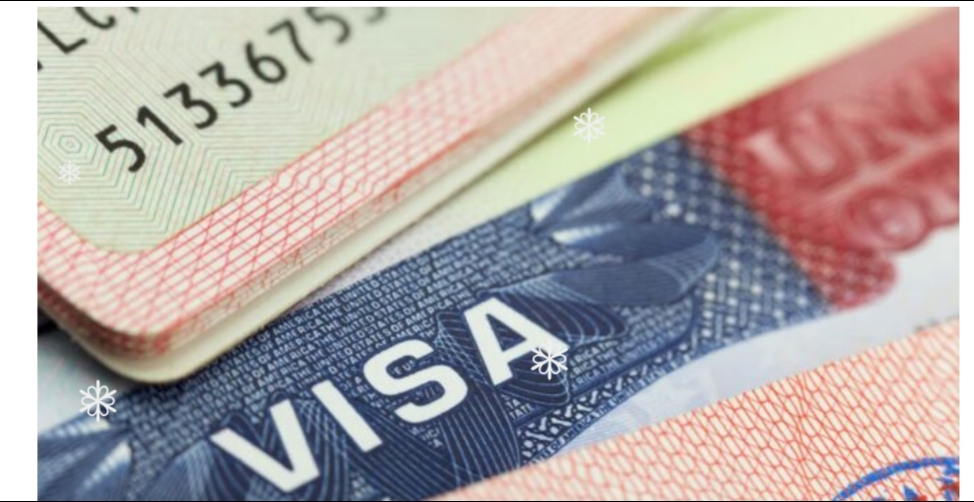

The United States has introduced new travel restrictions that could require Nigerians applying for B1/B2 visas to post bonds of up to $15,000.
Visa bonds are financial guarantees required by the US Department of State for certain foreign nationals from high-risk countries seeking B1/B2 visas for business or tourism.
African countries account for 24 of the 38 nations listed in the updated notice released by the State Department, with Nigeria included.
The measures will take effect on different dates for each country, with Nigeria’s implementation scheduled for January 21.
According to the notice, any citizen or national travelling on a passport issued by one of the affected countries, who is otherwise eligible for a B1/B2 visa, must post a bond of $5,000, $10,000 or $15,000, as determined during the visa interview.
Applicants will also be required to submit a Department of Homeland Security Form I-352 and agree to the bond terms through the Department of the Treasury’s Pay.gov platform. The requirement applies regardless of the place of application.
Visa holders who post bonds must enter the United States through designated airports, including Boston Logan, John F. Kennedy International Airport in New York, and Washington Dulles International Airport in Virginia.
The bonds will only be refunded when the Department of Homeland Security records the visa holder’s departure from the US on or before the authorised stay period, if the applicant does not travel before the visa expires, or if the traveller applies for and is denied admission at a US port of entry.
The development comes a week after partial US travel restrictions on Nigeria took effect.
Nigeria was among 15 mostly African countries, including Angola, Antigua and Barbuda, Benin, Côte d’Ivoire, Dominica, Gabon and The Gambia, placed on partial travel suspension by the US government on December 22.
In Nigeria’s case, the US cited the presence of radical Islamic terrorist groups such as Boko Haram and the Islamic State in parts of the country, creating what it described as substantial screening and vetting challenges.
The US government also referenced an overstay rate of 5.56 per cent for B1/B2 visas and 11.90 per cent for F, M and J visas as reasons for Nigeria’s inclusion on the list.
As a result, the travel suspension covers both immigrant and non-immigrant visas, including B-1, B-2, B-1/B-2, F, M and J categories, with the decree taking effect on January 1.
RN