
By Khadija Kubau
Kaduna State has commenced the domestication of the National Ward Development Committee (WDC) Operational Guideline as part of efforts to strengthen community participation, accountability and Primary Health Care (PHC) service delivery across the state.
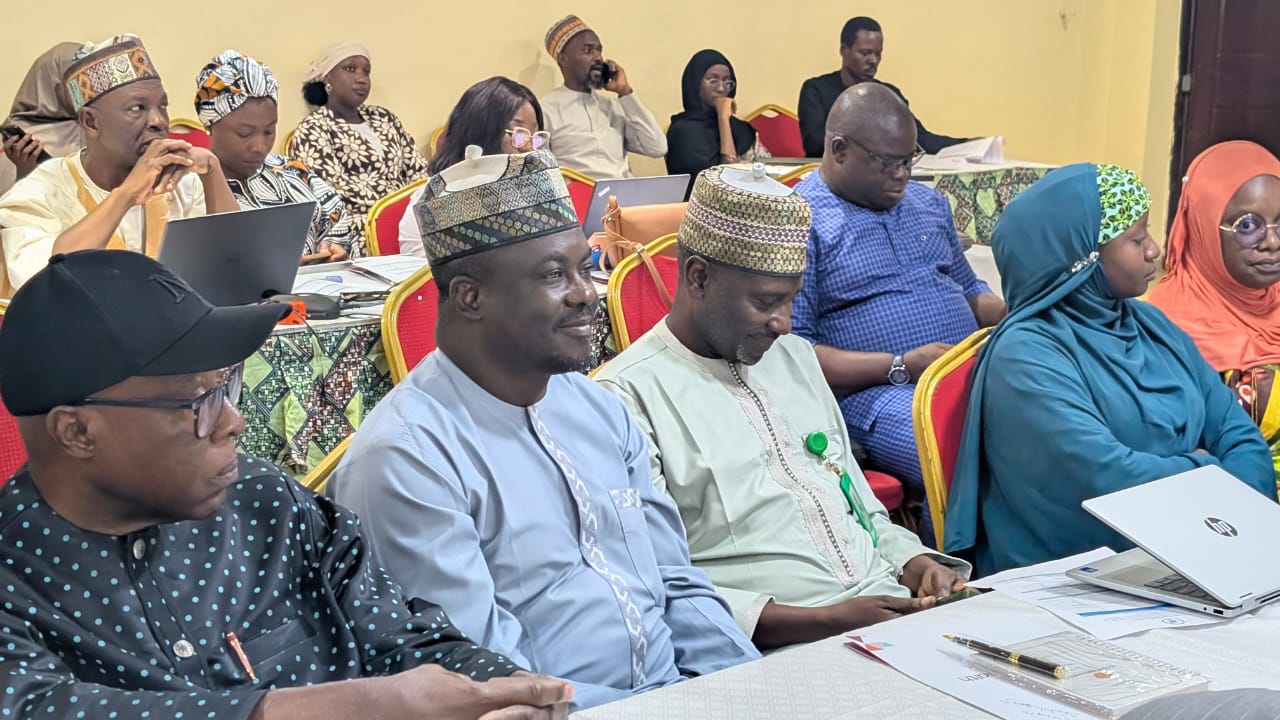
The initiative is being driven by the Kaduna State Primary Health Care Board (KSPHCB) in partnership with EngenderHealth and consortium partners through a three-day stakeholders’ co-creation workshop involving government agencies, local government authorities, development partners, traditional and religious leaders, academics, civil society organizations and community representatives.
Speaking at the opening ceremony, the Director of Community Health Services, Kaduna State Primary Health Care Board, Mrs. Nafisa Musa Isah, who represented the Executive Secretary of the Board, described Ward Development Committees as critical structures for community engagement in healthcare delivery.
She noted that WDCs have played significant roles in mobilizing communities for immunization, supporting maternal and child health interventions, promoting accountability and strengthening the relationship between health facilities and the people they serve.
According to her, changing realities within the health sector have made it necessary to review and strengthen the operational framework guiding the committees.
She said the workshop would provide stakeholders with an opportunity to draw from experiences, lessons learned and best practices to develop a practical guideline that reflects Kaduna State’s realities and strengthens community ownership of healthcare services.
Mrs. Nafisa reaffirmed the commitment of the Kaduna State Ministry of Health and KSPHCB to supporting the validation, adoption and implementation of the outcomes of the workshop. She added that the exercise aligns with Governor Uba Sani’s SUSTAIN Agenda, particularly efforts aimed at improving human capital development and expanding access to quality healthcare services.
Declaring the workshop open on behalf of the Commissioner of Health, Hajiya Umma Ahmad, Dr. Danga Sule Emmanuel described community participation as a critical pillar for sustainable healthcare delivery.
He emphasized that while governments and development partners continue to invest in infrastructure, medicines, equipment and health workforce development, the success of such investments depends largely on the level of community ownership and engagement.
A lead facilitator of the workshop, Professor Clara Ejembi, identified governance, operational and systemic challenges as major factors affecting the effectiveness of Ward Development Committees.
She stressed the need for a Kaduna-specific framework that addresses local realities while remaining aligned with national standards, noting that stronger governance structures and clearly defined responsibilities would enhance accountability and community participation.
Also speaking, the Chairman of Kaduna South Local Government Area and ALGON Chairman, Hon. Rilwan Hussain, highlighted the importance of credible and functional community structures in healthcare delivery.
He explained that assessments conducted in some communities revealed that several WDCs lacked the influence needed to effectively mobilize residents.
According to him, local authorities responded by reconstituting the committees through inclusive processes involving councillors, religious leaders and community stakeholders, leading to improved participation and support for healthcare programmes.
Participants at the workshop observed that while government has considerable control over the supply side of healthcare through the provision of drugs, equipment, infrastructure and trained personnel, it has limited control over whether residents utilize available services.
They agreed that Ward Development Committees remain vital in addressing this challenge through community sensitization, awareness creation and grassroots mobilization.
In goodwill messages, stakeholders commended the Kaduna State Government, KSPHCB and partners for initiating the review process. Speaking on behalf of KADMAM and KADHAMA, Garba Mohammed described the workshop as a strategic step toward strengthening accountability and community ownership of healthcare services.
Similarly, Chairman of the Health Sector Reform Coalition, Dr. Muhammed Lecky, said findings from the Social and Citizen Accountability for Primary Health Care Performance (SCAPP) Project underscored the need to domesticate the National WDC Guideline to strengthen community-led accountability mechanisms.
The workshop is expected to produce a Kaduna State-specific WDC Guideline that will strengthen governance structures, improve accountability, enhance coordination among stakeholders and promote greater community participation in Primary Health Care delivery.
Participants expressed optimism that the initiative would contribute significantly to improved health outcomes and the attainment of Universal Health Coverage across the state.