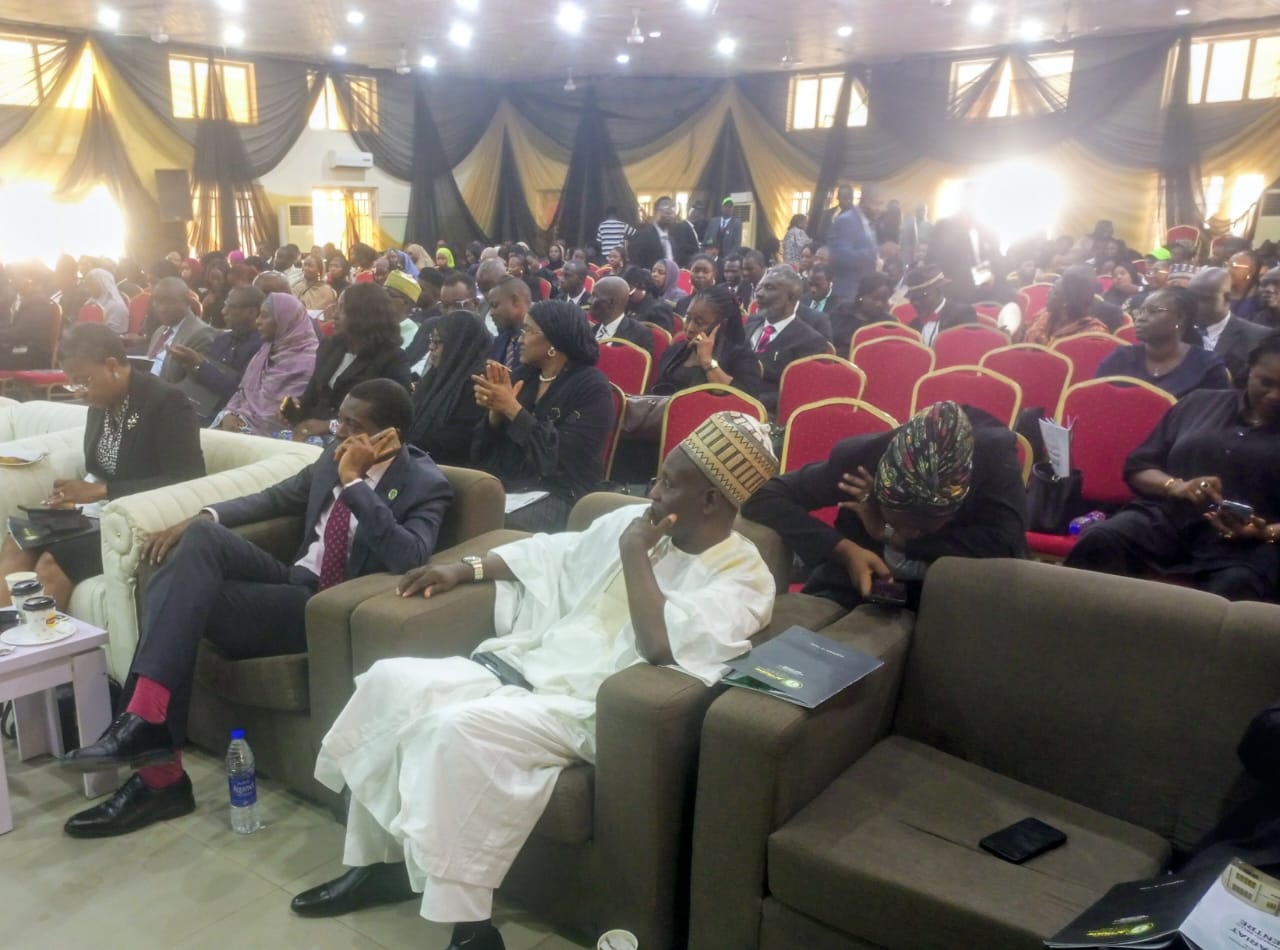

The Kaduna State judiciary has reaffirmed its commitment to embracing technology and artificial intelligence in justice administration while insisting that judicial conscience and human reasoning remain central to fair adjudication.
Speaking during the 2026 Law Week of the Nigerian Bar Association in Kaduna, the Chief Judge of the State, Justice Barrister Mohammed Tukur Aliyu, said the judiciary had already initiated reforms aimed at modernising justice delivery and improving efficiency across the courts.
According to him, the judiciary has embraced reforms targeted at reducing delays, improving case management systems, enhancing access to justice, and strengthening public confidence in the administration of justice. He stressed, however, that technology could only serve as a support tool and not a replacement for judges.
“While technology may assist judicial work, it can never replace judicial conscience, moral reasoning and the sacred duty of fair judicial adjudication. Justice will remain a profoundly human responsibility,” he said, adding that no technological system could substitute the wisdom, compassion, balance and discretion expected of a judge.
Justice Aliyu also urged legal practitioners to embrace continuous learning in order to remain relevant in the rapidly evolving digital era. He warned that lawyers who fail to adapt to emerging technological tools may struggle in an increasingly technology-driven legal environment.
He commended the Kaduna branch of the NBA for incorporating practical discussions on artificial intelligence and technology into the Law Week programme, while encouraging young lawyers to uphold discipline, integrity, professionalism and continuous learning as the enduring pillars of a successful legal career.
In his remarks, Leader of the Kaduna Bar Festus Okoye, described artificial intelligence as a transformative tool capable of improving legal practice and judicial administration.
He explained that AI could assist courts and lawyers in identifying relevant case law, analysing lengthy records, flagging inconsistencies in witness statements and improving case management systems.
Barrister Okoye noted that AI tools could help judges organise authorities, compare precedents across jurisdictions and promote consistency and fairness in judicial outcomes. He added that lawyers would also benefit from reduced time spent on repetitive tasks, thereby allowing greater focus on strategic analysis, advocacy and client engagement.
He cautioned, however, that science and technology must be deployed responsibly and ethically. According to him, machines should never replace rigorous legal research, sound brief writing and strategic thinking in litigation and justice delivery.
Chairman of the Law Week Planning Committee, Barrister Idris Mohamed, said the theme of the programme, “Activate: Empowering Lawyers in the Digital Age,” was designed to expose members of the judiciary and legal practitioners to the opportunities provided by artificial intelligence in enhancing justice delivery.
Mohamed observed that the adoption of technology would speed up legal processes, reduce workload and improve efficiency in the courts. He lamented the growing backlog of cases, particularly at the Supreme Court, where he said over a thousand cases were pending, noting that AI could significantly reduce the burden associated with reviewing records and writing judgments.
Also speaking, Kaduna State Chairman of the Nigerian Bar Association, Baba Lawal Aliyu, said the legal profession was undergoing rapid transformation driven by artificial intelligence, digital legal systems and evolving methods of practice.
He urged lawyers to deliberately position themselves to remain relevant, effective and ethically grounded in the emerging digital landscape. Aliyu explained that the Law Week was intended to stimulate meaningful conversations, broaden perspectives and equip legal practitioners with the knowledge and tools required for modern legal practice.
He further encouraged young lawyers to take advantage of the intellectual engagements lined up during the programme, describing artificial intelligence as a reality that had come to stay in the legal profession.
Cov/Shindong Bala