By Adamu Yusuf
A delegation from the Economic Community of West African States (ECOWAS) has visited community at Ladugga in Kachia Local Government Area, Kaduna State, to assess the impact of a dairy development project implemented over the past two and a half years.
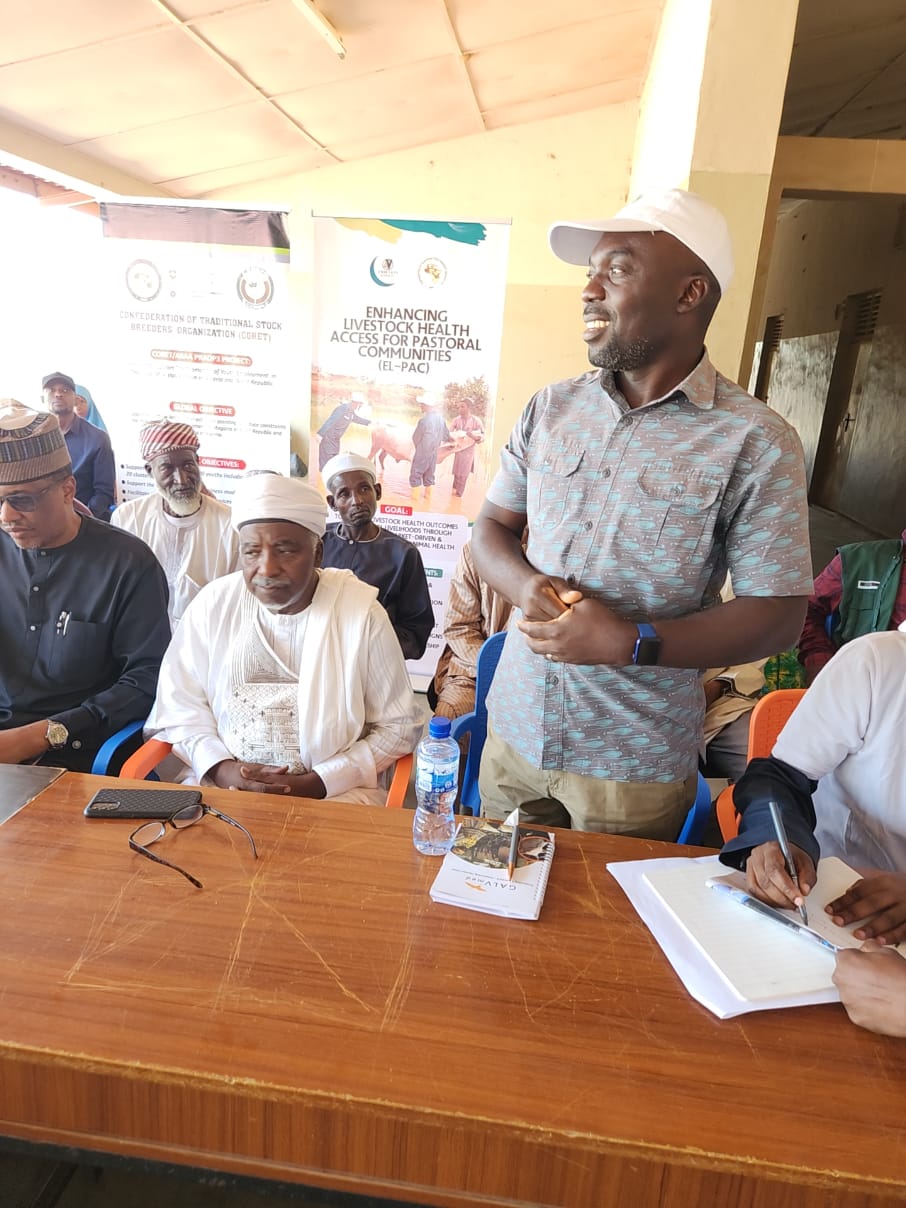
During a stakeholders’ engagement, a Junior Expert with the ECOWAS Support Programme for Professional and Peasant Farmers’ Organisations, Dr. Saater Kumawa, explained that the initiative was implemented in partnership with the Confederation of Traditional Stock Breeders’ Organisations in Africa (CORET) and other partners.
The project aims to strengthen the dairy value chain, create employment opportunities, and improve livelihoods particularly for women and youth through training in milk hygiene, support for milk aggregators, and capacity building for community animal health workers.
Dr. Kumawa noted that the visit was intended to document achievements, assess measurable outcomes, and evaluate the project’s overall impact on the community’s economic activities and quality of life.
Also speaking, Mr. Francis Dabire, ECOWAS Programme Officer for Communications and Advocacy, encouraged beneficiaries to provide honest and verifiable feedback, including challenges encountered, stressing that such input would guide improvements and enhance the sustainability of future interventions.
“ECOWAS reaffirms its commitment to initiatives that promote self-reliance, education, and sustainable livelihoods among pastoralist communities across the region.”
In his welcome address, the Secretary General of CORET, Muhammad Bello Tukur commended ECOWAS for enhancing income generation, skills development, and community participation in Ladugga, Kaduna, and Maigatari in Jigawa State.
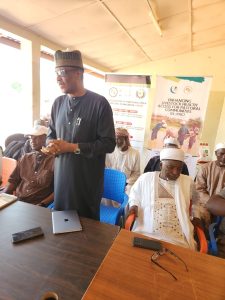
He highlighted interventions including the Youth Employment Support Programme in the milk sector, targeting approximately 800 pastoralist youths, as well as a school feeding programme for nomadic primary school pupils.
In his address, the CORET Coordinator, Dr. Umar Hardo explained that the project is implemented under ECOWAS’ Department of Regional Agency for Agriculture and Food as part of efforts to develop the dairy industry across 16 member states, including Nigeria.
He said the initiative promotes youth employment, creates sustainable livelihoods, and helps reduce youth restiveness and other social challenges.
According to Dr. Hardo, CORET, a regional non-governmental organization based in Nigeria, secured funding from ECOWAS for a three-year project that has now been running for two and a half years.
During an interaction at the milk collection center in Ladugga, milk aggregators including Auwal Adamu, Rabo Maji Dadin Ladugga, and Madakin Ladugga Salisu Yunusa explained that the center brings together milk from nearby farms, improving coordination, access, and value within the local dairy chain.
They noted that while operations are modest in scale, the center is strategically important for supporting grassroots livelihoods and strengthening community participation in agricultural development.
Community members, including women, youth, and traditional leaders, expressed appreciation to ECOWAS and government authorities, noting that the programmes have improved access to education, strengthened local capacity, and created sustainable livelihood opportunities in the dairy sector.
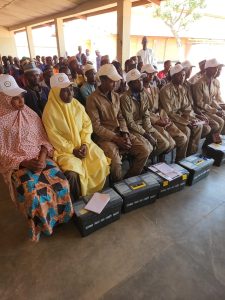
Several beneficiaries have been trained as Community Animal Health Workers and now serve as first responders during livestock disease outbreaks.
Some have also been engaged by the Kaduna State Government to support vaccination exercises, reducing manpower and funding pressures.