
Writing by Khadijah Aliyu; Editing by Basirat Memudu
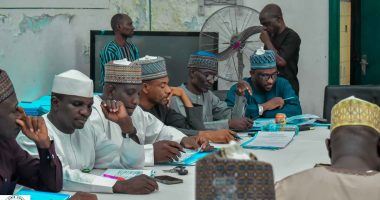
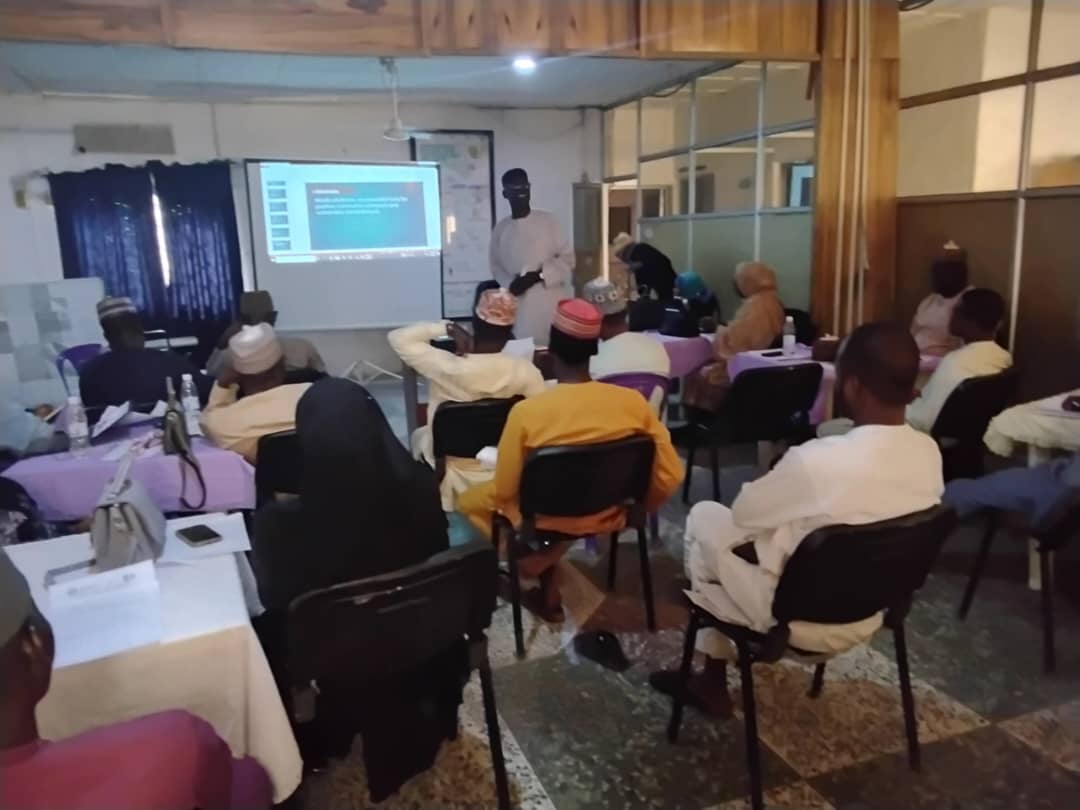
A non governmental organization (NGO), the Adolescent Health and Information Projects (AHIP) has organised a media engagement and training programme as part of activities under the Resilient Opportunities for Outreach, Trade and Sustainability (ROOTS) project.
The ROOTS project is implemented by AHIP in partnership with the International Organisation for Migration (IOM), with support from the European Union (EU), and support to Free Movement of Persons and Migration in West Africa-Phase II (FM West Africa II) Program.
In her opening remarks, the Executive Director of AHIP, Dr Mairo Bello stated that the training was designed to engage the media as critical stakeholders in achieving the objectives of the ROOTS project.
She described journalists as key partners in discouraging irregular migration, noting that through news reports and educational programs, the media can educate women and youths against leaving their families in search of unattainable greener pastures.
Dr. Mairo explained that the programme focuses on returnees and Internally Displaced Persons (IDPs) with the aim of reintegrating them into society and making them self-reliant, adding that many returnees face stigma and rejection upon their return.
Presenting an overview of the ROOTS project, the Project Manager, Hajiya Halima Usman, stated that the initiative seeks to improve income stability and access to dignified livelihoods while promoting awareness of the ECOWAS Protocol on Free Movement to reduce exposure to unsafe migration and human trafficking.
She added that the project adopts strong stakeholder engagement, institutional strengthening and rights-based governance to ensure local ownership, sustainability and alignment with national and regional development frameworks.
Delivering a paper titled “Media’s Role in Preventing Irregular Migration,” the facilitator, Comrade Abbas Ibrahim, described migration as a global phenomenon with significant social, economic and security implications when undertaken irregularly.
He identified poverty, unemployment, conflict, insecurity, lack of awareness and false promises as major drivers of irregular migration.
The facilitator stressed that the media has enormous power to shape public opinion, influence decisions and build knowledge due to its ability to reach large audiences quickly.
Some participants, including Zainab Maiagogo, Mustapha Salisu, Nazifi Bala, Sani Garko and Safiyya Usman, described the training as timely and commended AHIP and its partners for the initiative.