Writing by Khadija Aliyu;Editing by Abubakar Hamza.
Rubella, commonly known as German measles, may seem like a mild childhood illness, but its public health implications are far-reaching especially for pregnant women and unborn children.
Spread through airborne droplets when an infected person coughs or sneezes, rubella can cause congenital rubella syndrome (CRS), a condition linked to birth defects such as deafness, blindness, heart problems, and intellectual disabilities.
In Nigeria, rubella remains a silent threat, While often overshadowed by measles and polio in public health campaigns, its impact on maternal and child health has forced authorities to intensify interventions—particularly in Kano State, the most populous in Northern Nigeria.
The World Health Organization (WHO) maintains that rubella can be eliminated through high immunization coverage and routine surveillance.
Yet, Nigeria continues to record periodic outbreaks due to vaccination gaps. In Kano, where high population density and birth rates increase the risk of spread, the stakes are especially high.
Some parents interviewed by Radio Nigeria recounted painful experiences of seeing their children suffer from rubella.
According to the state social mobilization officer Kano state primary healthcare management board Rabiu Ibrahim, or Director of Immunisation and Disease Control, Dr Ahmad Tijjani, explained that pregnant women who contract rubella in their first trimester face the highest risk of giving birth to children with severe complications.
He maintained that symptoms of rubella such as fever, rash, swollen lymph nodes, and joint pain are often mistaken for other illnesses, while advising parents to protect their children through timely vaccination and routine health checks.
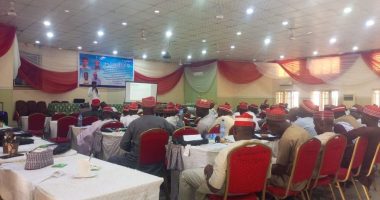
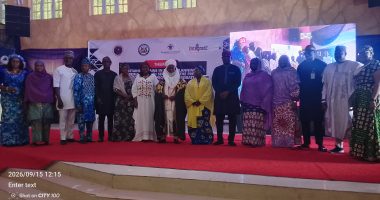
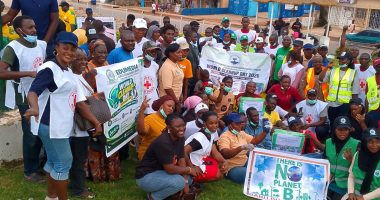
The Kano State Government, in partnership with the National Primary Health Care Development Agency (NPHCDA), UNICEF, and the Global Polio Eradication Initiative (GPEI), has intensified campaigns to eradicate rubella alongside measles and polio.
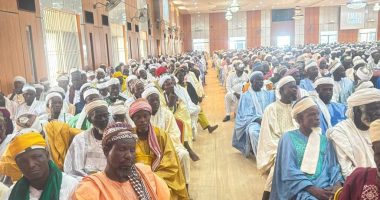
The state expected to launch an integrated Measles-Rubella-Polio vaccination campaign targeting more than 7.8 million children aged 9 months to 14 years.
Officials say the campaign is one of the largest vaccination efforts in Northern Nigeria and a critical step in reducing the disease burden.
Khadijah Aliyu.