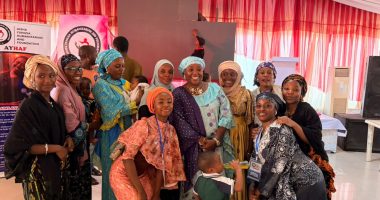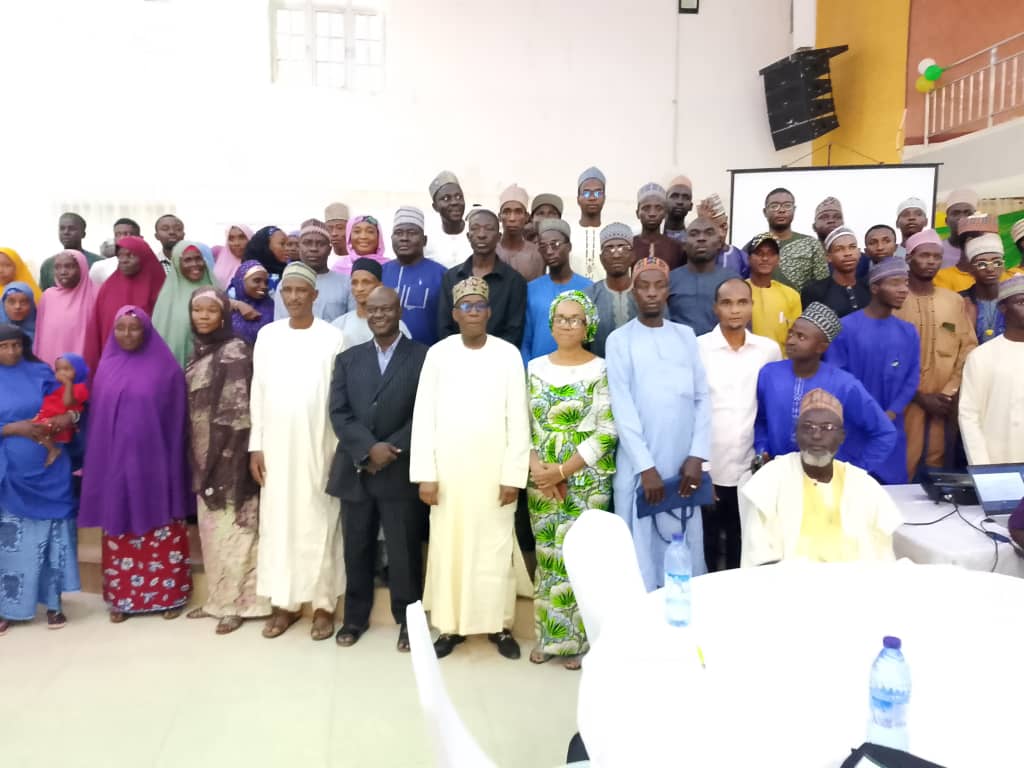

The Chief Executive Officer of the Milk Value Chain Foundation, Dr. Ishak Bello, says the Foundation has successfully implemented a two-year project aimed at enhancing youth employment and women empowerment in Kaduna State.
Speaking at a knowledge-sharing dissemination workshop in Kaduna, Dr. Bello said the programme recorded a 99 percent success rate, creating more than 100 jobs and improving livelihoods through various interventions.
The project, titled Enhancement of Youth Employment Through Improved Dairy Production and Feed Enterprises in Kaduna State, was implemented by the Milk Value Chain Foundation in collaboration with the Economic Community of West African States (ECOWAS) and the Regional Agency for Agriculture and Food, with funding from the Swiss Development Corporation.
It also received support from the National Commission for Nomadic Education and the Confederation of Traditional Stock Breeders Association of Africa (CORET), among others.
Dr. Bello explained that the initiative provided solar-powered boreholes with drinking troughs, established a demonstration grazing reserve, distributed improved pregnant cows to women, and promoted cooperative societies and local dairy development.
He noted that women beneficiaries now produce between 8 and 10 litres of milk per day, while youth have been trained in feed production and other livestock value-chain enterprises.
Dr. Bello added that the programme was designed to build sustainable employment opportunities, enhance milk production, and improve the livelihoods of women and youth in Kaduna State.
Also speaking, the representative of the National Commission for Nomadic Education and CORET, Dr. Umar Hardo, said the two organizations supported the implementation of the programme’s activities.
He emphasized that the project was well-articulated and successfully executed, with all its objectives achieved based on the set indicators.
He, However, stressed the need for sustainability, urging stakeholders particularly governments to ensure continuity for the socio-economic development of the country.
On his part, an Expert with the ECOWAS Regional Support Programme for Professional Farmers’ Organizations, Dr. Saata Kumaga commended the Milk Value Chain Foundation for what he described as “an excellent job.”
He noted that the project was designed to build the capacity of pastoralist to become self-reliant, employ others, and transform into entrepreneurs.
While expressing satisfaction with the two-year implementation, Dr. Kumaga pointed out that there is still room for improvement.
He further called on the Federal Government—through the Ministry of Livestock Development—state governments, and the private sector to support and sustain such initiatives.
According to him, ECOWAS provides only minimum funding in phases, while long-term sustainability must come from Nigeria’s government and stakeholders.
COV: Adamu Yusuf