By Khadija Kubau
Environmental experts, journalists and Non-Governmental Organisations (NGOs) have called for stronger collaboration to translate climate warnings into practical community action and address the potential impact of the Godzilla El Niño phenomenon in Kaduna State.
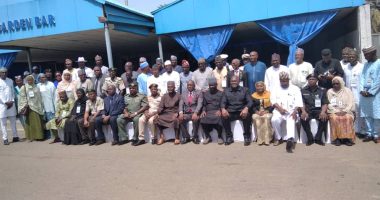
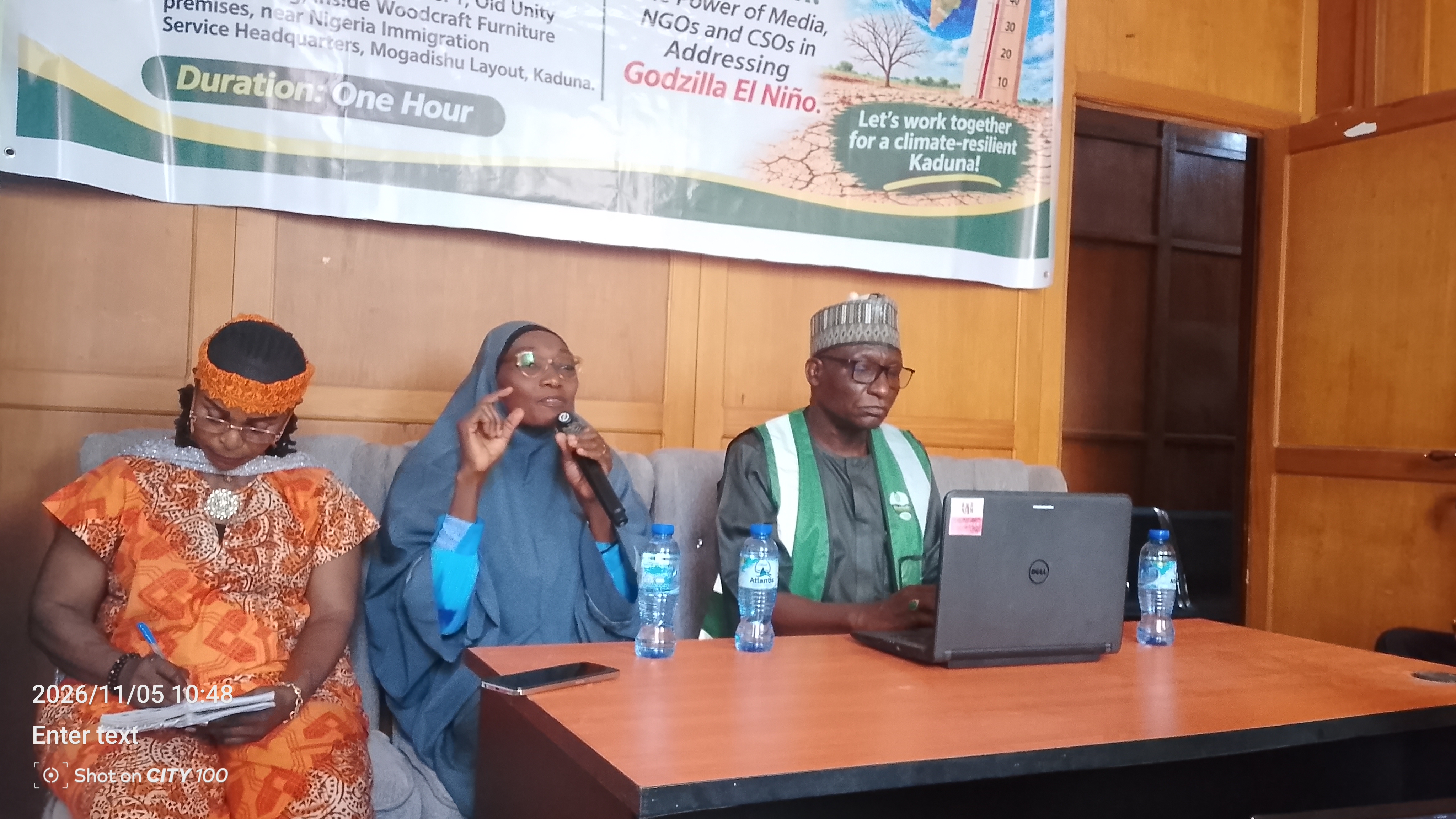
The call was made at the Kaduna Monthly Climate Hangout Forum held in Kaduna.
The forum, themed “From Climate Warnings to Community Action: The Power of Media, NGOs and CSOs in Addressing Godzilla El Niño,” emphasised the need for effective climate communication, public awareness and grassroots mobilisation.
Speaking at the forum, a geophysicist and environmental educator at Kaduna Polytechnic, Hajiya Halima Haruna, said El Niño could affect food production, water availability, aquatic life and human health through extreme temperatures, drought, flooding and changing weather patterns.
Haruna urged stakeholders to rely on credible climate information from the Nigerian Meteorological Agency (NiMet) and other recognised climate institutions.
She called on journalists, NGOs, Civil Society Organisations (CSOs), community leaders and religious institutions to communicate climate warnings in local languages to enhance public understanding and preparedness.
“The pressing danger is not just that the climate is changing, but that we are not changing at the same pace as the climate,” she said.
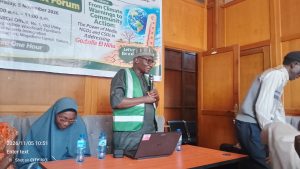
Also speaking, e-MICH Founder and Director, Garba Mohammed, stressed the need for the media to extend climate education beyond conference halls to rural communities through conventional and digital platforms.
In a presentation titled “The Critical Role of Media in Climate Action, Public Health and Community Resilience,” Mohammed said climate reporting should focus on solutions, behavioural change and community participation.
He identified public awareness, early-warning communication, environmental accountability, solutions journalism and community mobilisation as essential responsibilities of the media.
Mohammed noted that climate-related risks, including flooding, drought, extreme heat, pollution, malaria, water-borne diseases and malnutrition, required sustained public education in English, Hausa and other local languages.
He disclosed that e-MICH was developing a Climate and Health Podcast to connect environmental scientists, health professionals, policymakers, journalists and community members through expert interviews, short videos and digital advocacy.
The e-MICH director also advocated the establishment of a Climate Media and Community Action Network involving journalists, environmental experts, health professionals, NGOs, CSOs and government institutions.
He called for the integration of climate education into school programmes, the establishment of environmental clubs and the engagement of traditional rulers, religious leaders, women and youth groups as climate ambassadors.
Mohammed further urged stakeholders to ensure that monthly climate forums produced measurable community interventions whose progress would be reviewed at subsequent gatherings.
He also called for advocacy towards the provision of public water and ice points across Kaduna State to help residents cope with rising temperatures and extreme heat.
Mohammed noted that such facilities, similar to those available in some developed countries, could provide access to drinking water and relief from heat, particularly in public spaces and vulnerable communities.
In his remarks, the Director of NGO Founders Global Network, Mr. Isyaka Shittu Dayo, called for the adoption of social and behavioural change strategies to promote environmental responsibility.
Dayo said climate messages should be communicated in accessible languages and formats, with traditional, religious, political and women leaders actively involved in grassroots sensitisation.
He stressed that access to information alone was insufficient to drive behavioural change, urging NGOs to engage directly with communities and develop interventions that reflected their needs and cultural realities.
The participants emphasised the importance of evidence-based advocacy, sustained media engagement and collective responsibility in building climate-resilient communities and protecting public health.