By Adamu Yusuf
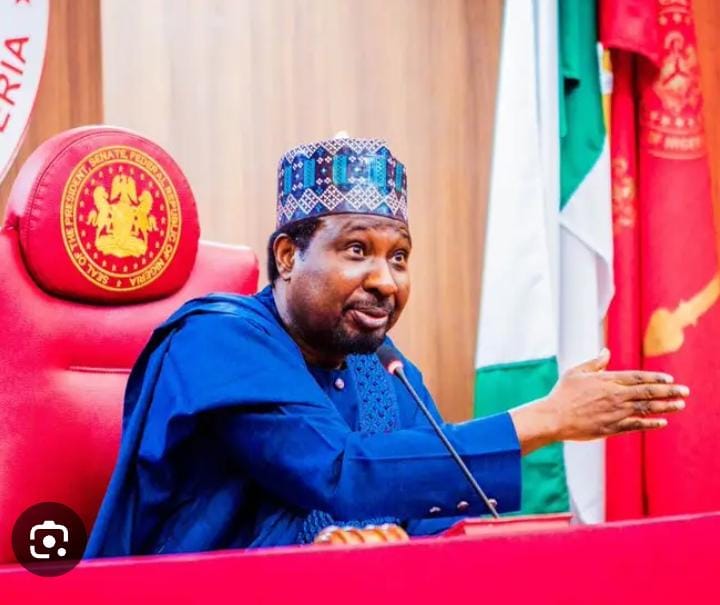
The Senate has passed for second reading a bill sponsored by the Deputy President of the Senate, Senator Barau Jibrin, seeking to establish a comprehensive legal framework for the transformation and modernisation of Nigeria’s agricultural sector.
The proposed legislation, which aims to strengthen food security, boost agricultural productivity, promote mechanisation and irrigation and improve access to agricultural financing was considered during a plenary presided over by the President of the Senate, Senator Godswill Akpabio.
Leading the debate, Senator Barau said the bill was designed to introduce far-reaching reforms into the agricultural sector and reposition it as a major driver of economic growth and national development.
He recalled Nigeria’s glorious agricultural past, when the sector supplied essential raw materials to industries, lamenting that the collapse of the country’s agricultural production systems had contributed to its decline.
The Deputy Senate President described the present administration as reform-oriented, noting that the proposed legislation was intended to complement the Federal Government’s efforts to stimulate economic growth and diversify the economy.
He stressed that national development should not be left to the executive arm alone, adding that the legislature and other stakeholders had important roles to play in supporting ongoing reforms.
Senator Barau said the bill would provide an opportunity for stakeholders to contribute ideas and expertise towards achieving a fundamental transformation of the agricultural sector.
Supporting the bill, the Senate Chief Whip, Senator Mohammed Tahir Monguno, said its passage would provide the necessary legal framework to revolutionise agriculture and strengthen efforts to diversify the nation’s economy.
Also contributing to the debate, Senators Babangida Hussaini (Jigawa North-West), Anthony Okorie Ani (Ebonyi South), a Professor of Agricultural Extension, and Adeniyi Adegbonmire Ayodele (Ondo Central) expressed support for the proposed legislation.
They commended Senator Barau for the initiative, describing the bill as a comprehensive intervention that addresses critical challenges confronting the agricultural sector.
Following deliberations, the President of the Senate, Senator Godswill Akpabio, referred the bill to the Senate Committees on Agricultural Production Services and Rural Development, and Agricultural Colleges and Institutions for further legislative consideration.
The committees were given four weeks to report back to the Senate.
Editing by Khadija Kubau