
By Khadija Kubau
Kaduna State has showcased its integrated last-mile delivery model for essential health commodities to five states and the Federal Capital Territory (FCT), with a view to strengthening healthcare supply chains and improving access to essential medicines.
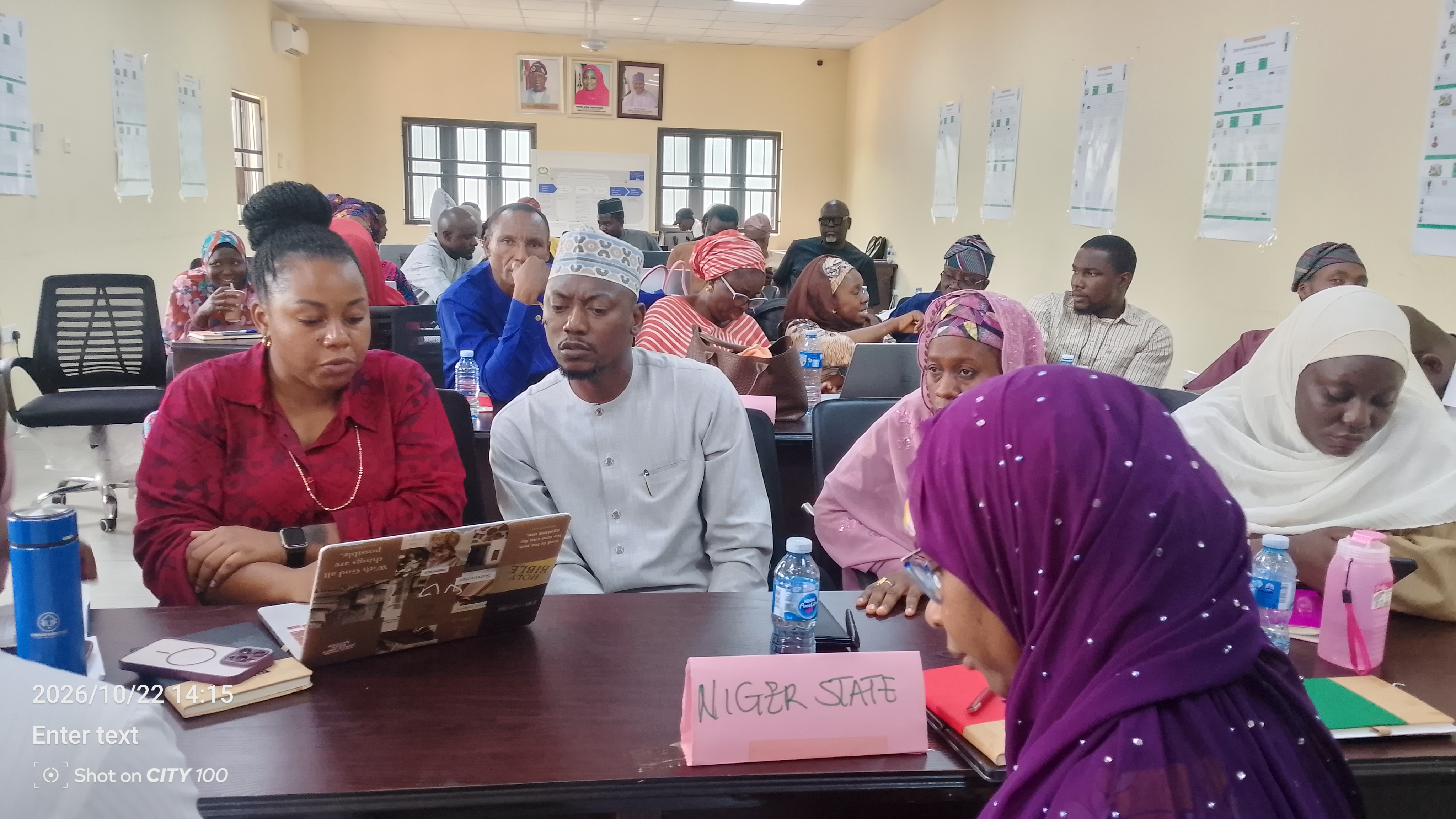
The Executive Secretary of the Kaduna State Health Supplies Management Agency (KADHSMA), Pharmacist Aisha Isiyaku-Tukur, disclosed this during a peer learning and review visit by representatives of Ekiti, Kwara, Bayelsa, Niger and the FCT.
She explained that the Integrated Last-Mile Delivery (ILMD) system combines the distribution of essential medicines, family planning and nutrition commodities, which were previously delivered separately, into a coordinated process that takes supplies directly to health facilities.
According to her, the integration began last year, building on Kaduna’s existing last-mile delivery system.
Pharmacist Isiyaku-Tukur attributed the state’s progress to effective governance, strong stakeholder coordination and an enabling environment provided by the state government, alongside support from the Gates Foundation and the Nigeria Governors’ Forum.
She said the visiting states were learning about KADHSMA’s operational processes and its collaboration with primary, secondary and tertiary healthcare facilities.
The Executive Secretary added that the exchange would enable participating states to adapt successful practices to their local contexts while allowing Kaduna to learn from their experiences.
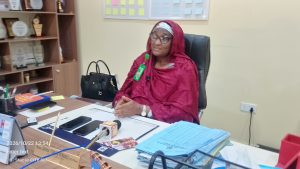
In her address to the participants, the Kaduna State Commissioner for Health, Umma K. Ahmad, commended the Kaduna State Government under the leadership of Governor Uba Sani for creating an enabling environment that supports innovation, collaboration and improved healthcare delivery.
She encouraged the visiting delegates to make the most of the peer learning exercise by identifying practical strategies they could adapt to strengthen their respective state health supply systems.
The Commissioner also underscored the importance of collaboration, effective leadership and coordination among stakeholders in ensuring the timely availability of essential medicines and health commodities.
One of the visiting participants, Olajide Kolawole, a pharmacist and general manager of a state drug supply management agency, described the visit as an opportunity to gain practical knowledge on improving drug supply management, governance and coordination.
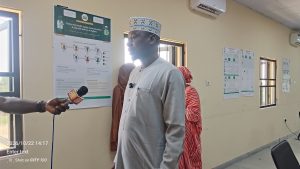
He said the lessons acquired would guide efforts to strengthen his state’s existing system and improve the delivery of essential health commodities.
Also speaking, Omolara Awolusi, a public health consultant with the Nigeria Governors’ Forum, said the initiative was designed to enable states to learn from proven practices and improve health service delivery.

She explained that 99 best-practice submissions were received from states across the country, with 33 shortlisted for review by the Exemplar Review Council, leading to the selection of Kaduna, Yobe and Bayelsa for further learning and review.
Awolusi said participating states were expected to apply the lessons gained, adding that the Nigeria Governors’ Forum would consider further technical support, reciprocal learning visits and catalytic funding for states that demonstrate progress in adopting the practices.

The four-day exercise included visits to central and zonal warehouses, where participants examined commodity storage, order processing, packing and distribution procedures.
The initiative is expected to strengthen supply chain management and improve the availability of essential commodities for family planning, nutrition, and maternal, newborn and child health services.