
By Khadijah Aliyu
For many young Nigerians, the dream of travelling abroad is often associated with better jobs, higher incomes and improved living conditions.
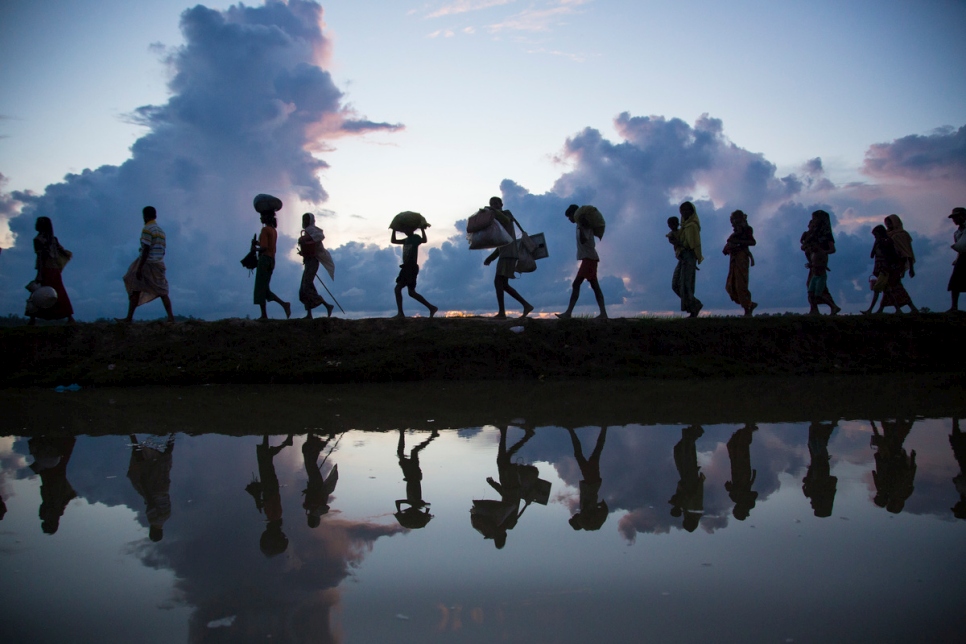
But behind the growing desire to seek what is commonly described as a “greener pasture” lies a dangerous reality irregular migration, which can expose travellers to exploitation, detention, deportation, financial losses and other forms of abuse.
Irregular migration refers to the movement of people outside the laws, regulations or international agreements governing entry into or exit from a country of origin, transit or destination.
According to the International Organization for Migration (IOM), a person is considered to be in an irregular situation when they enter a country without authorization or remain there after the expiration of their legal visa or permit.
In Nigeria, the phenomenon has continued to attract attention as men, women and young people travel to different countries in search of employment and better economic opportunities, often without adequate documentation or reliable information about the risks involved.
In Kano State, efforts are being intensified to address the issue, particularly among young people who may be vulnerable to misleading information from traffickers, agents and other individuals promising easy access to jobs and opportunities abroad.
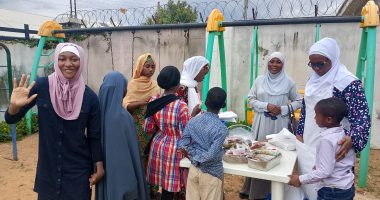
As part of these efforts, the International Organization for Migration, IOM, through its ROOTS Project, is implementing interventions in targeted Local Government Areas in Kano State in collaboration with the Adolescent Health and Information Projects, AHIP.
The initiative seeks to provide young people and other stakeholders with accurate information on migration, while raising awareness about the risks associated with travelling without the required documentation.
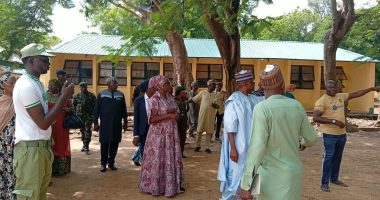
Speaking during a training programme under the initiative, the Executive Director of AHIP, Dr Mairo Bello, stressed the importance of ensuring that young people have access to reliable information before making decisions about migration.
She said many young people embark on journeys without proper documentation or adequate knowledge of their destinations, including the conditions they may encounter once they arrive.
According to Dr Bello, undocumented migrants often face difficulties accessing formal employment, opening bank accounts, moving freely and seeking legal protection. They may also be exposed to arrest, detention and deportation.
Beyond the legal challenges, she drew attention to the financial consequences of irregular migration, noting that some young people sell family properties or commit substantial resources to finance journeys whose outcomes are uncertain.
Dr Bello therefore encouraged young people to critically assess migration opportunities and consider investing their resources in businesses, skills acquisition and other productive ventures within Nigeria.
But beyond the statistics and official warnings are the experiences of people who have actually undertaken irregular migration journeys.
Some irregular migrants from Kano, including Habiba Musa and Bilkisu Bello, shared their experiences.
According to Habiba Musa, an agency took her to Saudi Arabia, where she suffered domestic violence. She said the agency also deducted a large portion of her salary. Unable to endure the situation, Habiba fled and travelled to Madina, where she was later arrested by the authorities.
“They beat me for the slightest mistake, I work from morning till night and each month I have nothing to show as the agency takes a large percentage of my salary despite paying 1.5 million naira before being me to Saudi when I couldn’t cope i ran away to a village in Madina and my family in Nigeria are always pressurizing me to send them money “
For Bilkisu Bello, the journey through dangerous routes to Libya became an unforgettable experience after an agent allegedly misled her about the journey. She said the fear of arrest and the dangers she encountered along the route made the experience particularly traumatic.
“After arriving in Libya, I discovered that the job promised by the agent was not available. After evading the authorities for a long time, I was eventually arrested and deported to Nigeria. When I returned, the woman who sponsored my trip took me to court. It was a really traumatic experience i will never forget “
As Nigeria continues to grapple with unemployment, economic pressures and the aspirations of a growing youth population, stakeholders say addressing the root causes of irregular migration will require more than awareness campaigns.
Editing by Khadija Kubau