By Daniel Karlmax
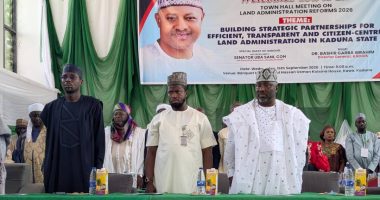
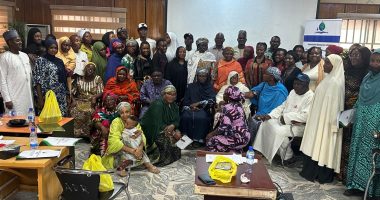
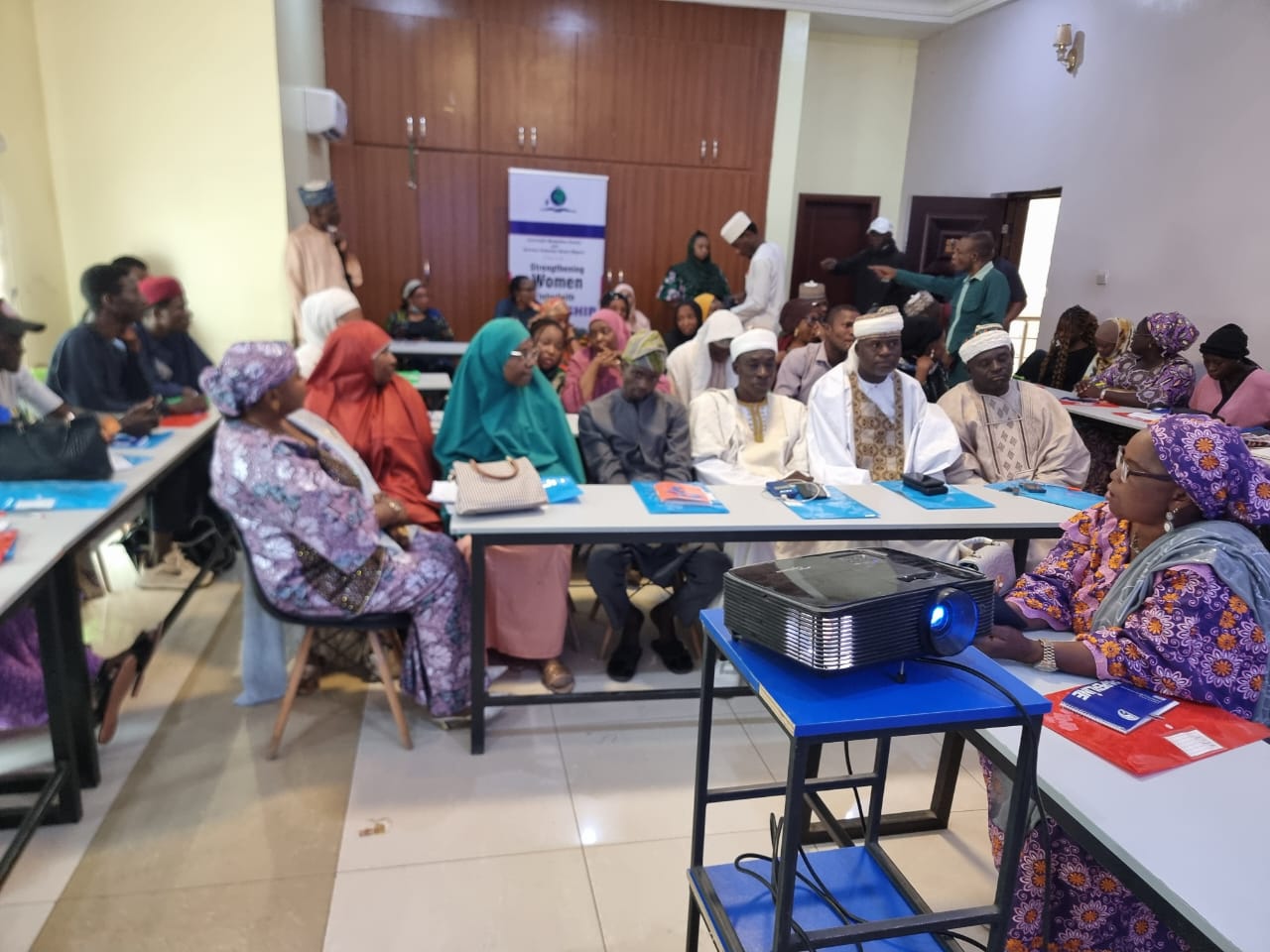
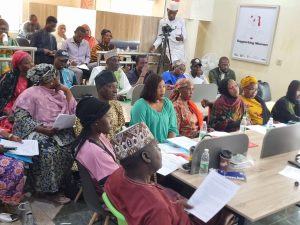
Stakeholders in peacebuilding across the three senatorial districts of Kaduna State have converged on Kaduna for a two-day training on Legal Navigation Support and Paralegal Skills for Community Leaders.
The programme, organised by the Interfaith Mediation Centre (IMC), Kaduna, with support from the German Embassy, Abuja, is being implemented under the Strengthening Women’s Interfaith Leadership for Human Rights, Transitional Justice and Democratic Stability Project.
Speaking at the opening of the training, the Co-Director of IMC, Mr. Samson Auta, said the programme was designed to equip participants with essential legal knowledge and practical skills to effectively guide survivors of human rights violations through legal, institutional and transitional justice processes in Kaduna State.
Auta said the training was also founded on IMC’s core mandate of promoting peace, interfaith understanding and social harmony through dialogue and mediation.
He urged participants to actively support peaceful participation in the forthcoming elections by promoting non-violence, mediating effectively in their respective communities and supporting the orderly mobilisation of voters to participate in the democratic process.
In her presentation, a Senior Magistrate of the Kaduna State Judiciary, Maryam Abbas, described a community paralegal as “someone who is not a lawyer, but a bridge between the community and the law.”
According to her, a trusted person who has been trained in the elementary aspects of the law can help members of the community understand and navigate legal processes.
She identified traditional and religious leaders, teachers, youth and women leaders, and retired civil servants, among others, as potential providers of paralegal support services, particularly those who know how to access legal assistance or write complaints to the appropriate authorities.
The majistrate referred participants to the fundamental human rights provisions contained in Chapter IV of the 1999 Constitution of the Federal Republic of Nigeria, particularly Sections 34 to 39, as part of the legal foundation for paralegal support.
Speaking in an interview, a traditional ruler from Sabon Tasha community, Mr. Yakubu Musa, said the training would strengthen early warning and early response mechanisms for the effective maintenance and sustainability of peaceful coexistence in communities.
Musa commended the organisers, describing the training as timely and saying it would go a long way towards promoting peace and unity for a united and progressive nation.
On her part, a Director with the Kaduna State Ministry of Youth Development, Mrs. Lami Usman, urged participants, including women and youth leaders as well as traditional and religious leaders, to make judicious use of the skills acquired during the training.
She reminded the participants that they were leaders in different capacities and therefore had an important role to play in promoting peace and resolving conflicts within their communities.
Usman also emphasised the importance of dialogue and mediation in peacebuilding and conflict resolution, rather than unnecessary and prolonged litigation, which she said could contribute to long-term distrust, violence and physical confrontation.
The programme attracted participants from both faith communities, government officials, traditional and religious leaders, women and youth groups, the media and other stakeholders.
It featured presentations, interactive discussions, goodwill messages, and question-and-answer sessions, with participants expressing appreciation for the level of engagement and practical knowledge gained from the training.
Editing By Godwin Duru