Written By Khadijah Aliyu; Edited By Godwin Duru
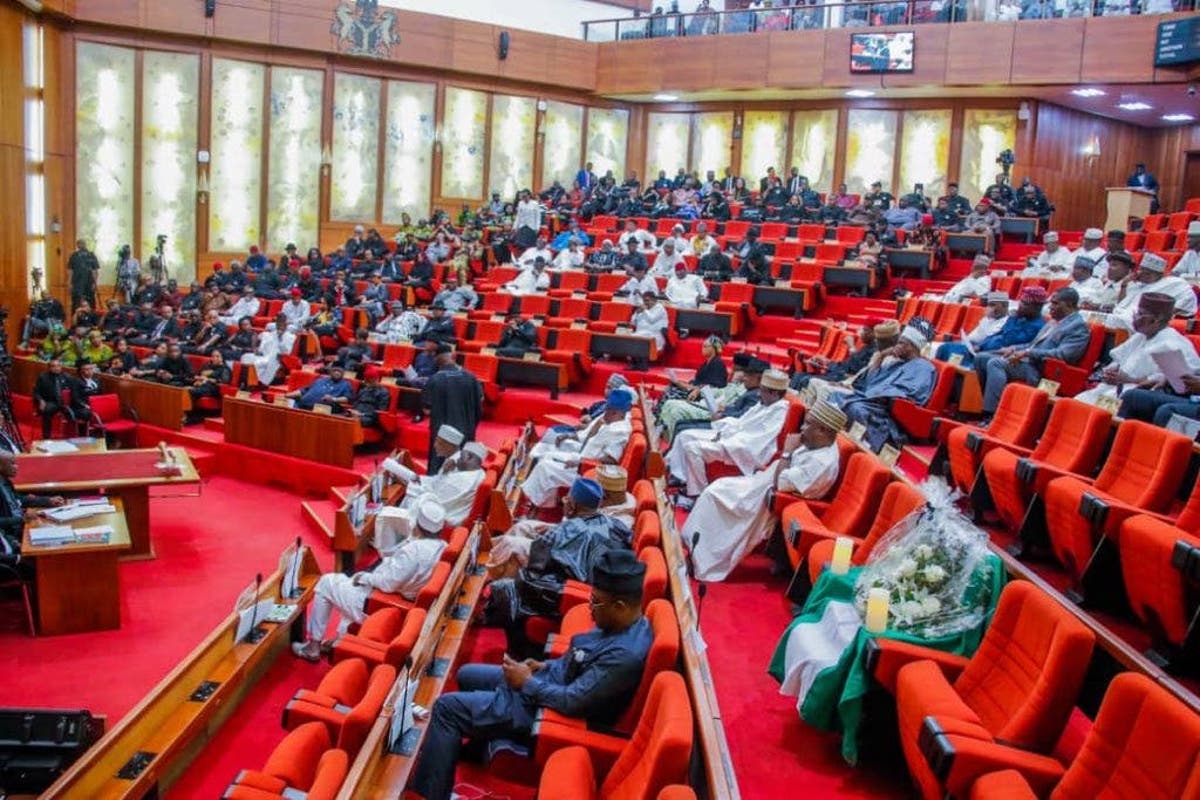
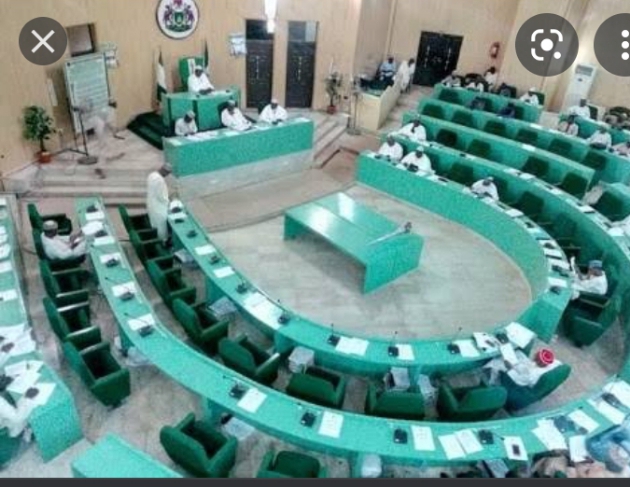
The Kano State Private and Voluntary Institutions Board (Amendment) Bill, 2026 has passed second reading in the Kano State House of Assembly, marking a significant step toward strengthening the regulation of private educational institutions across the state.
The bill was presented during plenary by the Majority Leader, Lawan Hussaini Dala, who said the proposed amendment would expand the Board’s oversight to include private higher institutions such as universities, colleges, and schools of nursing, in addition to primary and secondary schools.
According to him, the amendment is designed to address the rising cost of private education and ensure greater accountability in the sector.
He decried what he described as the indiscriminate increase in school fees and other charges, including the sale of textbooks, uniforms, external examination fees, and graduation gowns.
Dala said the amendment would require private schools to obtain approval from the government before implementing any increase in school fees, while also ensuring that the interests of parents are taken into consideration.
Seconding the motion, the Deputy Speaker, Muhammad Bello Butu Butu, said the lack of uniformity in academic calendars among private schools had become a major concern requiring government intervention.
He also expressed concern over extracurricular activities in some private schools that, according to him, do not conform with the state’s cultural and religious values.
He further noted that while some institutions charge exorbitant fees, others operate in substandard and unhealthy environments with inadequate teaching personnel.
The Deputy Speaker added that some private institutions place excessive emphasis on english language instruction at the expense of other essential subjects and rely heavily on part-time teachers, thereby affecting the quality of education.
Contributing to the debate, the member representing Doguwa Constituency, Salisu Ibrahim Muhammad, called for stricter quality control measures, particularly in health training institutions, noting that some operate without functional laboratories and other essential infrastructure.
He also stressed the need for regulatory agencies to ensure that institutions meet accreditation requirements before admitting students.
The Chairman, House Committee on Education, Mukhtar Ishaq Madobi, called for a review of the existing Kano State education law, describing it as outdated.
He urged the Assembly’s Legal Department to harmonise the proposed amendment with the existing education law to ensure consistency.
After careful deliberations, the House adopted the Kano State Private and Voluntary Institutions Board (Amendment) Bill, 2026 and referred it to the relevant committee for further legislative action.