
By Khadija Kubau
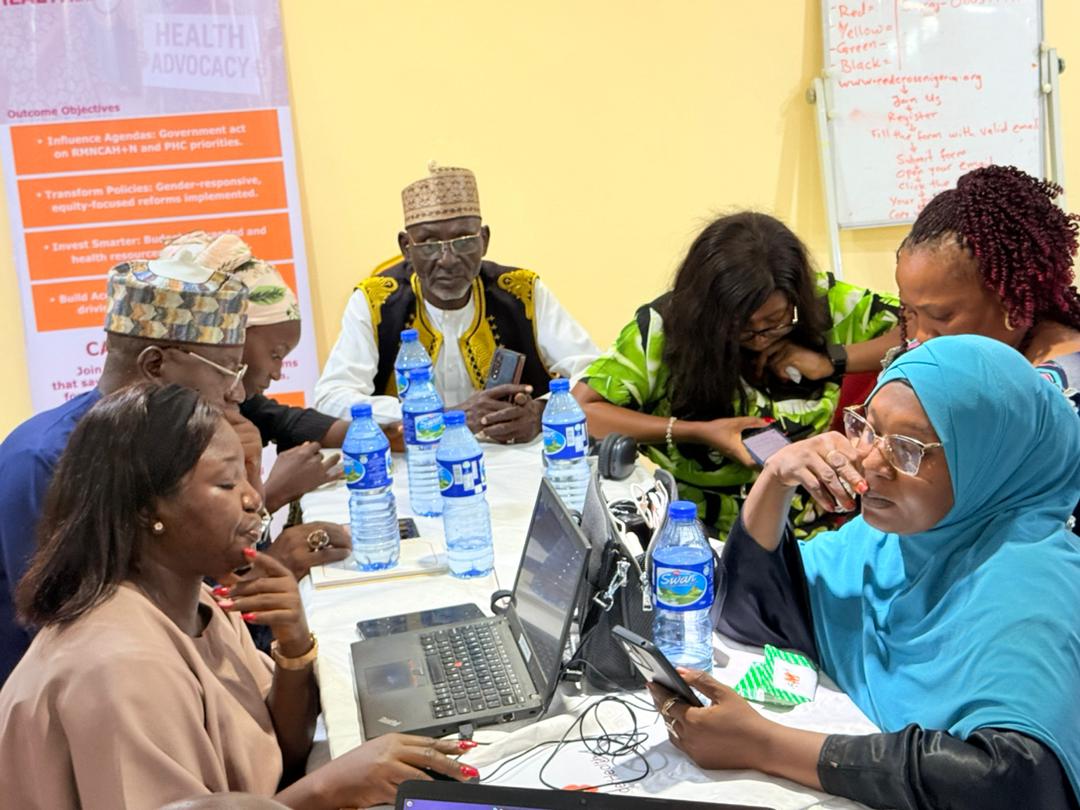
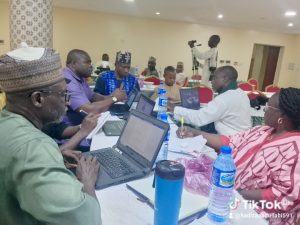
Kaduna State has become the first state in Nigeria to domesticate the National Ward Development Committee (WDC) Guideline following the successful conclusion of a three-day stakeholders’ co-creation workshop aimed at strengthening community participation, accountability and Primary Health Care (PHC) service delivery.
The workshop, organized by the Kaduna State Primary Health Care Board (KSPHCB) in partnership with the EngenderHealth-led consortium and other stakeholders, culminated in the validation and adoption of a draft Kaduna State-specific WDC Guideline designed to address the state’s unique healthcare realities and strengthen community ownership of health programmes.
Speaking at the closing session, the representative of the National Primary Health Care Development Agency (NPHCDA), Dr. Joseph Wuya, described the initiative as innovative and groundbreaking, commending the Kaduna State Government for taking the lead in adapting the national guideline to suit its geographical terrain, population and peculiar implementation challenges.
According to him, the exercise demonstrated Kaduna State’s commitment to strengthening community participation in healthcare governance and improving the effectiveness of Ward Development Committees.
“I appreciate the Kaduna State Government for supporting this wonderful initiative. Kaduna is the first state in the country to domesticate the National WDC Guideline to fit its realities, and I believe the document produced here will become a reference point for other states,” he said.
Dr. Wuya praised the inclusive nature of the review process, noting that government officials, development partners, civil society organizations, traditional leaders, community representatives and technical experts worked together to co-create the document.
He particularly commended the lead consultant, Professor Clara Ejembi, for her exceptional leadership, technical guidance and contributions throughout the three-day exercise.
The NPHCDA official also expressed satisfaction with the critical review undertaken by participants, especially the identification of gaps and implementation challenges within the national guideline. He noted that participants highlighted the limited functionality of Village Development Committees (VDCs) in many communities and proposed measures to ensure equitable representation of all communities within the Ward Development Committee structure.
Dr. Wuya emphasized that while the development of the guideline was a significant achievement, its success would ultimately depend on effective dissemination, implementation and operationalization across the state.
He reaffirmed NPHCDA’s commitment to supporting Kaduna State in initiatives aimed at improving health outcomes, reducing morbidity and mortality, and strengthening community engagement in healthcare delivery.
Earlier, participants reviewed and validated recommendations from five technical working groups established to examine and adapt the 18 chapters contained in the National WDC Guideline.
The review process focused on strengthening governance structures, accountability mechanisms, community representation, sustainability frameworks, operational procedures and stakeholder coordination within Kaduna State’s Primary Health Care system.
Also speaking, the Chairman of the Kaduna State WDC Alliance, Alhaji Balarabe Idris Jaji, described the successful completion of the workshop and development of the domesticated guideline as a major milestone.
He said Kaduna State’s emergence as the first state to domesticate the National WDC Guideline would serve as a model for other states seeking to strengthen community participation and accountability in healthcare governance.
Jaji commended the Kaduna State Government, the Association of Local Governments of Nigeria (ALGON), the Kaduna State Primary Health Care Board, the EngenderHealth-led consortium, the Maternal Accountability Mechanism in Kaduna Initiative (KADMAM), Professor Clara Ejembi and other development partners for their support and commitment throughout the process.
According to him, the collaborative effort demonstrated the shared commitment of stakeholders to strengthening community structures and improving Primary Health Care service delivery across Kaduna State.
Delivering the vote of thanks on behalf of the Executive Secretary of the Kaduna State Primary Health Care Board, Professor Abubakar Jamoh, the Director of Community Health Services, Hajiya Nafisa Musa Isah, expressed appreciation to all participants, facilitators, development partners and stakeholders for their commitment and active contributions throughout the workshop.
She commended the dedication demonstrated by participants during the review process and acknowledged the support of EngenderHealth, development partners, civil society organizations, traditional and religious leaders, government institutions and community representatives whose contributions made the successful domestication of the guideline possible.
Hajiya Nafisa noted that the workshop marked a significant step toward strengthening community participation and accountability in Primary Health Care delivery and expressed confidence that the domesticated guideline would contribute to improved health outcomes across Kaduna State.
She urged stakeholders to sustain the momentum generated during the workshop by supporting the dissemination, adoption and implementation of the guideline across all wards and local government areas of the state.
Participants expressed optimism that the domesticated guideline would provide a practical framework for enhancing community ownership of healthcare programmes, improving accountability and strengthening the delivery of Primary Health Care services at the grassroots level.
The workshop concluded with a renewed commitment by stakeholders to support the dissemination and implementation of the guideline to ensure that its objectives translate into measurable improvements in health outcomes across Kaduna State.