
Writing By Teddy Daniel; Editing By Yusuf Zubairu
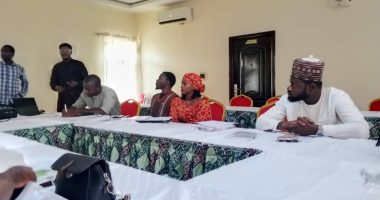
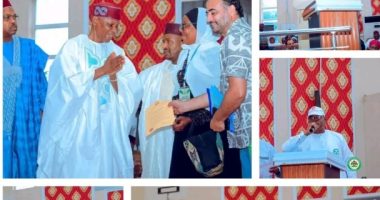
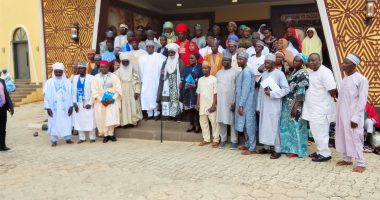
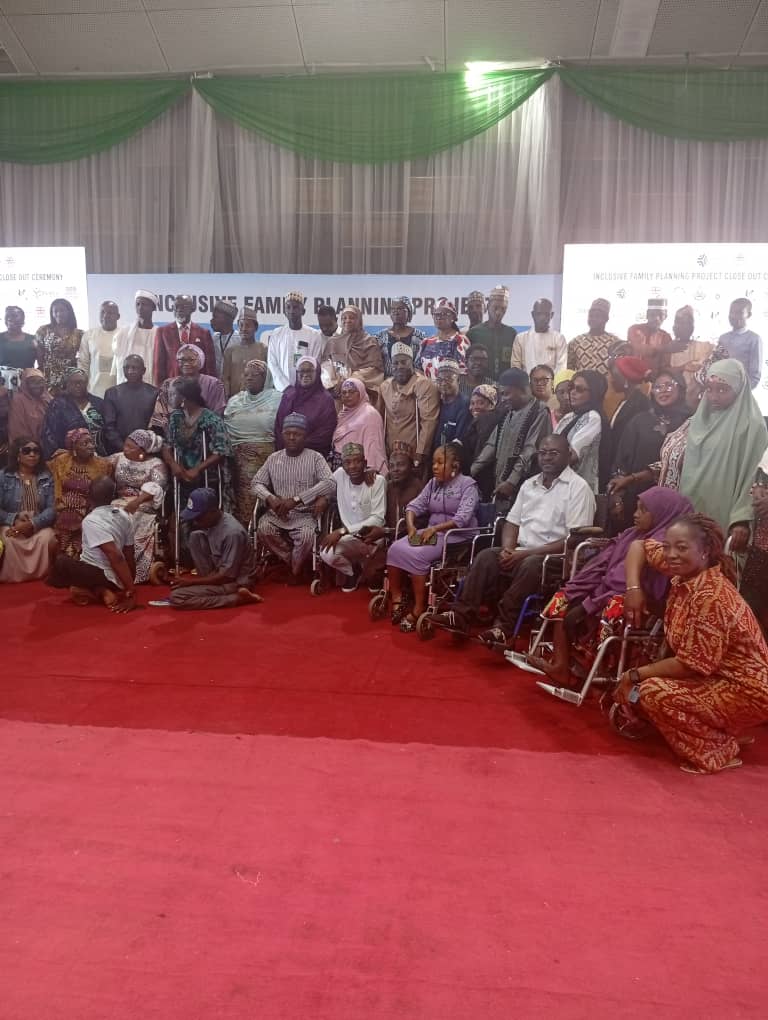
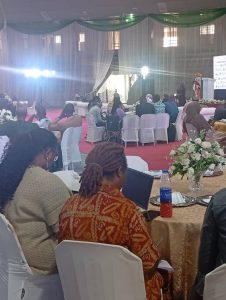
At the Umaru Musa Yar’Adua Hall in Kaduna, the atmosphere was charged with gratitude, pride, and a renewed sense of responsibility as Sightsavers International led partners, government officials, disability advocates, and community stakeholders in marking the closeout of the five-year Inclusive Family Planning -IFPLAN Project.
For Sightsavers International, the event was far more than a ceremonial closure. It was a moment to highlight one of the most ambitious disability inclusive health interventions in Kaduna State—one that has changed systems, strengthened policies, and reshaped thousands of lives.
A TRANSFORMATION ROOTED IN INCLUSION-SIGHTSAVER SPEAKS
Programme Director for NTDs at Sightsavers, Anita Gwom, set the tone with a message anchored on justice, equity, and long-term commitment.
According to her, the IFPLAN project funded by UK Aid and implemented alongside partners such as the Kaduna State Government, BBC Media Action, PENDA, the Joint National Association of Persons with Disabilities -JONAPWD, and the Network of Women With Disabilities focused on a single, bold objective:
ensuring people with disabilities have fair access to quality and affordable family planning services.
Over five years, the project directly reached over 1,900 persons with disabilities across 18 communities, and disseminated family planning and stigma reduction messages to more than 544,000 persons with disabilities, and over 3 million people without disabilities through radio and digital platforms.
Sightsavers also conducted accessibility audits in 24 health facilities and completed renovations in 23, introducing ramps, accessible toilets, clearer signage, and disability-friendly waiting areas.
A total of 1,500 health workers were trained on disability inclusion—97% of them reporting improved knowledge and confidence.
Beyond service delivery, the project delivered heavy policy gains as Kaduna State Government domesticated the national Sexual and Reproductive Health and Rights -SRHR policy for PWDs, approved a 22 million dollar costed implementation plan, and appointed Disability Desk Officers across all 23 LGAs and in 23 intervention facilities.
The impact has also gone national as all 14 federal health regulatory bodies have begun integrating disability inclusion into health training curricula.
Anita Gwom emphasized that the achievements are not just numbers but real human stories that have changed lives, and removed real barriers adding that inclusion is not a project that ends but must become a culture.
THE VOICE OF THE COMMUNITY — JONAPWD PRESIDENT SPEAKS
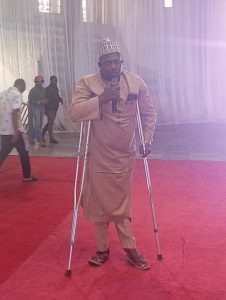
But the day’s strongest emotional appeal came from the National President of JONAPWD, Alhaji Aliyu Usman, who spoke passionately about the realities of persons with disabilities in Nigeria.
He described decades of exclusion from healthcare, education, and support systems, noting that many families had been forced into poverty as a result.
Yet, according to him, IFPLAN broke long-standing barriers—physically, socially, and psychologically.
He explained that the project not only rebuilt facilities but restored confidence among people with disabilities who once avoided hospitals due to stigma and discrimination.
“Before now, many persons with disabilities were hidden in their homes. They felt hospitals were not for them. But this project brought them out,” he said.
He praised the renovations, stating that some facility toilets are better than what even wealthy homes can boast of.
According to him, PWDs now feel welcomed, service providers are better trained, and health committees now have disability representation.
Above all, he stressed that IFPLAN must not end simply because funding has ended. “This is not a project that should close out,” Usman insisted.
“Persons with disabilities are always here. We will always need healthcare, maternity services, family planning, everything. Kaduna State and Nigeria must sustain this work.”
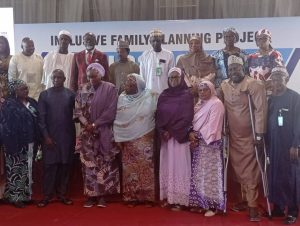
GOVERNMENT COMMITMENT — HEALTH COMMISSIONER Hajiya Umma Ahmed Representing the Kaduna State Government, Commissioner for Health Hajiya Umma K. Ahmed reaffirmed the state’s commitment to inclusive healthcare.
She described IFPLAN as an initiative that has reshaped how Kaduna thinks about access, equity, and dignity in healthcare, noting major gains such as:
Training of health workers on respectful and disability inclusive family planning,
Provision of wheelchairs, hearing aids, artificial limbs, and communication tools, Renovations of health facilities to meet accessibility standards, Development of a Sexual and Reproductive Health and Rights (SRHR) Policy for PWDs, and Strengthened accountability structures across the health sector “These are not just outputs; they represent real change in the lives of our citizens,” she said.
The Commissioner emphasized that under the leadership of Governor Uba Sani, Kaduna State will continue to build a health system where inclusion becomes a standard, not a pilot.
She called on all partners to ensure the gains of IFPLAN become institutionalized and scaled across the state.
LOOKING AHEAD — A CALL FOR CONTINUITY
Although the project has formally closed, speakers from Sightsavers, JONAPWD, and the Kaduna State Government all echoed one message: Disability inclusion must continue, not as a project, but as a reality.
For many, IFPLAN was not the end—but the beginning of a more inclusive future where persons with disabilities no longer remain invisible or underserved in the health sector.
Stakeholders agreed that IFPLAN succeeded because it combined infrastructure upgrades, policy reforms, community engagement, media campaigns, and service provider training.