
The Director-General of the Industrial Training Fund (ITF), Dr. Afiz Oluwatoyin Ogun, has called for coordinated action to equip youths and industries with the skills needed to compete in a rapidly evolving digital and automated global economy.
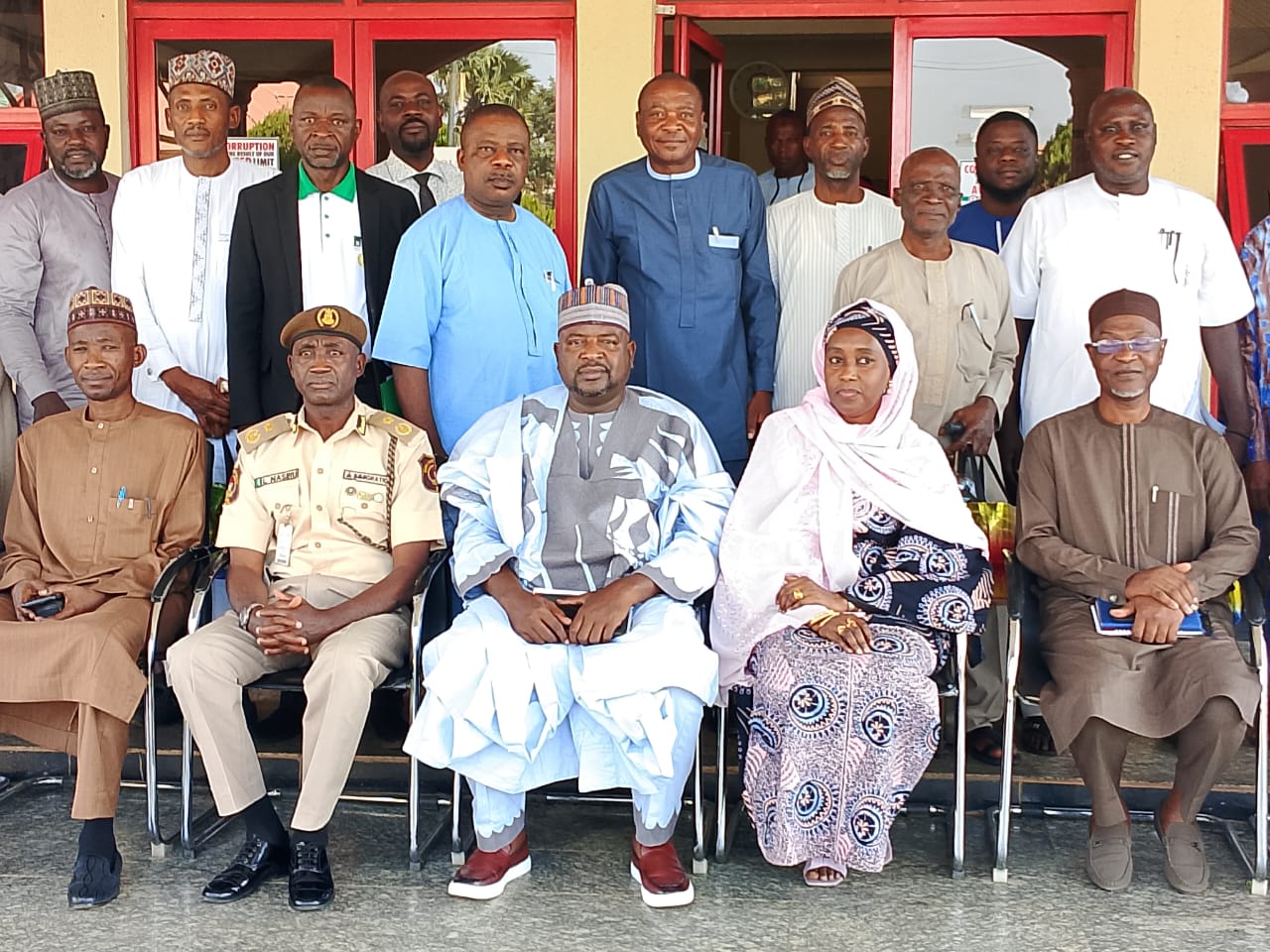
He made the call at this year’s stakeholders’ interactive forum, with the theme “Prepare for the Future: Empowering Youth and Industries for a Digital and Automated Economy,” held at the ITF Kaduna Area Office.
The Director-General, who was represented by the Zonal Director, Mallam Aminu Muhammad Alhaji, noted that rapid advances in artificial intelligence, robotics, automation, and digital platforms are reshaping global economic realities.

He stressed that Nigeria must deliberately position its youthful population to benefit from emerging opportunities.
“The question before us is simple but urgent: how do we prepare our youths and industries to not only survive but thrive in a digital and automated economy?” he asked.
Dr. Afiz Oluwatoyin Ogun emphasized that traditional training models must evolve to match modern workplace demands.
According to him, the ITF is strengthening its programmes through curriculum redesign, investment in digital infrastructure, and stronger industry partnerships to bridge skill gaps and improve productivity.
“When industries are empowered, they become more resilient and more capable of creating quality jobs for our youth,” he said.
The ITF boss further called for stronger collaboration among government institutions, private sector stakeholders, development partners, and civil society, noting that proactive, collective action is essential.
“The future is not something we wait for; it is something we build,” he stated.
In her welcome address, the ITF Kaduna Area Manager, Mrs. Binta Baba Kura, commended the wide representation of stakeholders from government, private sector, academia, development organisations, and host communities.

She described the forum as a strategic platform rather than a routine gathering, especially at a time of rapid changes in governance systems, technology adoption, economic priorities, and human capital development.
“These realities compel us to deepen engagement, challenge assumptions, build new partnerships, and co-create solutions that respond to our collective needs and priorities,” she said.
Mrs. Binta Baba Kura encouraged active participation, stressing that discussions at the forum should translate into improved policies, innovative initiatives, and sustainable partnerships.
Also speaking at the event, a representative of the Kaduna State Ministry for Business, Innovation and Technology, Charity John, reaffirmed the state government’s commitment to partnering with the ITF, particularly in the area of youth empowerment and skills development.
She commended the ITF for its sustained efforts in addressing youth restiveness and promoting skill acquisition across the state.
Charity John added that Governor Uba Sani is ready to strengthen collaboration with the Fund to tackle youth unemployment and related challenges.
The forum featured a paper presentation on “Prepare for the Future: Empowering Youth and Industries for a Digital and Automated Economy.”

There were representatives from the Nigerian Immigration Service, National Judicial Institute, and other public and private organisations.
COV: Adamu Yusuf