By Daniel Karlmax, Editing By Godwin Duru
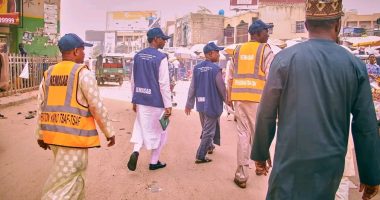
A coalition of civil society organizations and environmental advocates have conducted an assessment tour of flood-affected communities in Kaduna metropolis, warning against the dangers of building houses along waterways.
The groups including the Society for Water and Sanitation (NEWSAN), Water Rights Initiative (WRI), and African Climate Reporters (ACR)—toured areas such as Karji Bridge, Gamji Gate, Kabala, and Kigo New Extension.
Leader of the delegation and State Coordinator of NEWSAN, Mr. Kuzasuwah Ishaya Peter, said the visit aimed to express solidarity with victims and assess the extent of damage caused by this year’s flooding to residents and farmlands along the riverbanks.
Mr. Peter explained that the recent flooding in the region was due to encroachment into flood plains, noting that many families continue to live in high-risk flood zones despite the dangers involved.
“We observed people still residing in flood-prone areas with their families. This is unsafe because flooding often brings waterborne diseases and rodents that endanger entire communities.
“It is also improper for citizens to build houses along riverbanks or waterways, as it worsens the flooding problem,” he said.
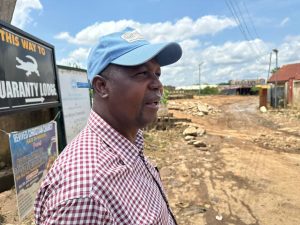
The NEWSAN Coordinator urged the state government to demolish illegal structures built on waterways and to provide alternative settlements for affected residents to prevent further loss of lives and property.
He also advised tenants living in such areas to voluntarily relocate for their own safety.
“It is painful to see parents and children exposed to such risks. I don’t know who granted the permits for these houses, but I doubt they went through the proper channels. Government intervention is urgently needed,” he emphasized.
Also speaking during the tour, the Director of the Water Rights Initiative (WRI), Mr. Nasiru Abbas, expressed concern over the devastating impact of the floods and called for proper regulation by the government and other critical stakeholders.
“What we witnessed shocked us. The floods have displaced families, destroyed properties, and forced people to migrate.
“We are calling on the government to stop the sale of land near rivers and dams, and to develop long-term measures to protect residents,” Abbas said.
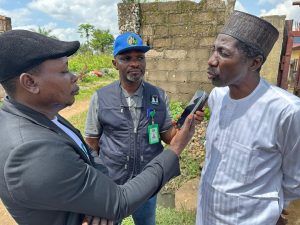
On his part, Ibrahima Yakubu, Head of Communication and Strategy at African Climate Reporters (ACR), commended the state government for its ongoing river dredging projects in flood-prone areas, describing it as an important step in reducing the risk of future floods.
Yakubu also called on citizens to stop indiscriminate dumping of waste into drainages, which significantly contributes to flooding.
He commended the participation of civil society groups, NGOs, and journalists who took part in the assessment tour.
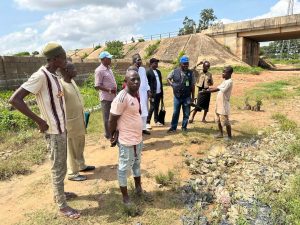
Residents, including the Sarkin Samari of Kigo New Extension, Mallam Yusuf Ibrahim, and Solomon Peter, said they have lost unquantifiable property to the flood and are currently in need of government support.
They lamented the increasing rate of house rent in the area despite the flood disaster and the country’s economic situation, calling on the government to intervene.
Daniel Karlmax