Writing By Ismai’l Adamu ; Editing By Godwin Duru
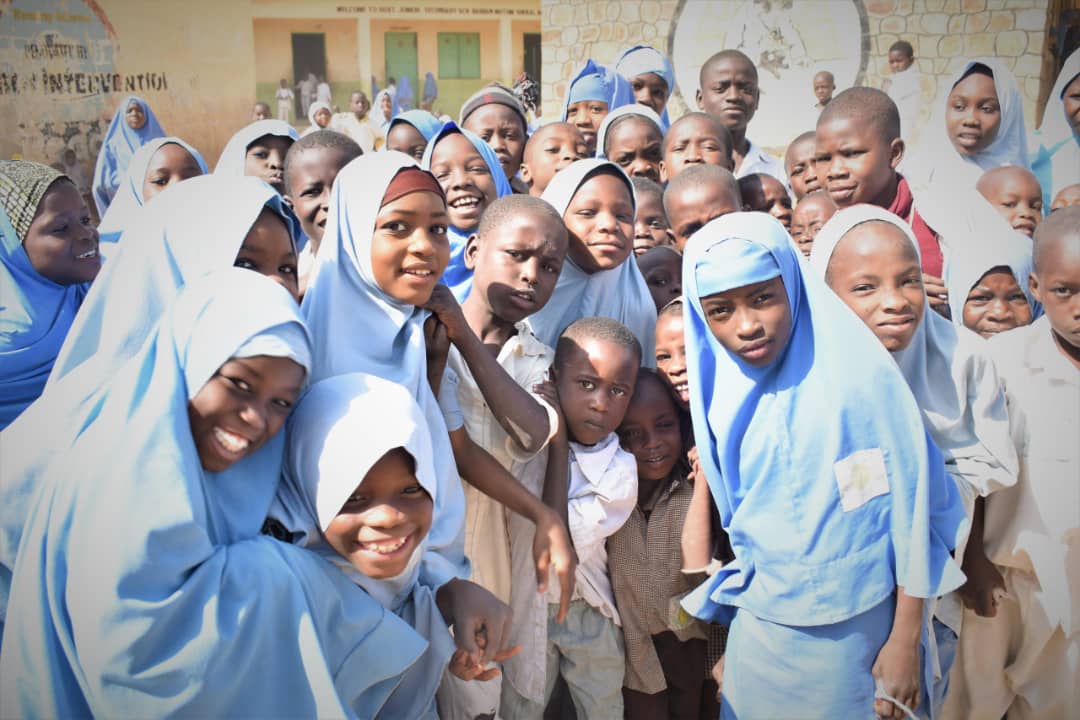
Stakeholders in Katsina State’s education sector have rolled out new measures to reduce the number of out of school children, improve the quality of teaching and learning, and create safe and inclusive schools in the state.
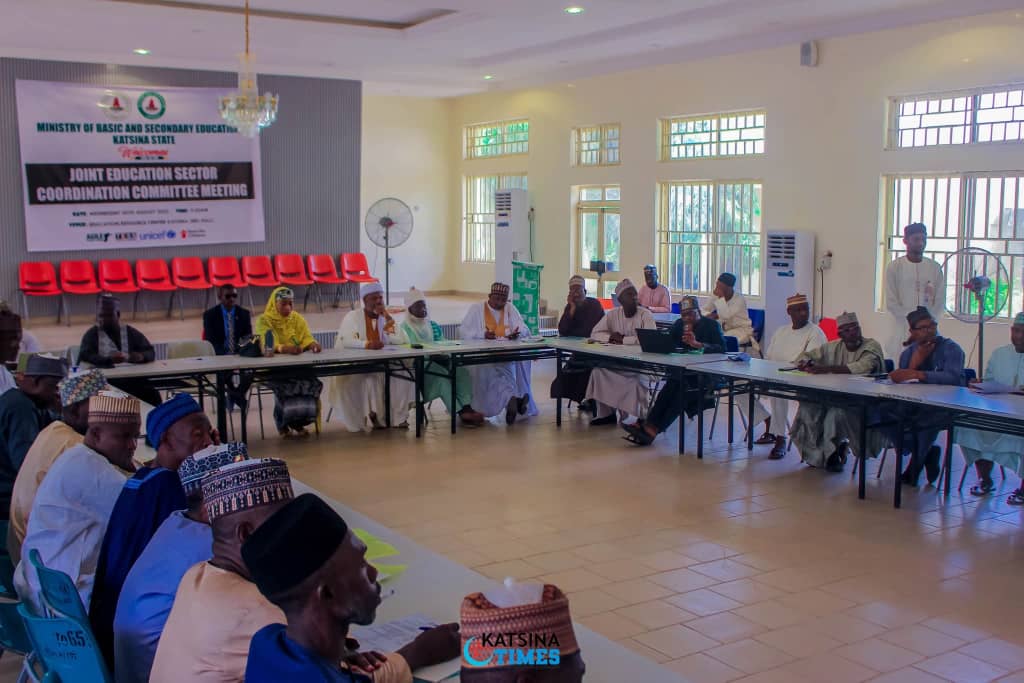
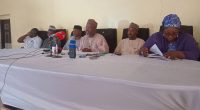
The move was kickstarted with the inauguration of the state Joint Education Sector Coordination Committee which will provide policy, implementation and evaluation guidance in the sector.
The 32-member committee which is being chaired by the state Commissioner of Basic and Secondary Education has representation from the local government education authorities, private school board, teacher unions, Parent/Teachers Association, the civil society and development partners, particularly UNICEF, DFID, FCDO, USAID and the World Bank.
While outlining the responsibilities of the committee, the Education Specialist at the Kano Field Office of UNICEF, Mr. Michael Banda, said the committee will serve as a “platform for strengthening collaboration, aligning strategies and ensuring that resources are affectively harnessed” to improve education outcomes in the state.
He said the committee’s inauguration demonstrates the state government’s commitment to inclusive, coordinated and evidence-based education planning.
“UNICEF is proud to be part of this process, we firmly believe that no single institution can address the challenges of the education sector alone.
“Through strong coordination and shared responsibility, we can accelerate progress toward reducing the number of out-of-school children, improving the quality of teaching and learning, and creating safe, inclusive schools where all children, especially girls and the most vulnerable, can thrive.
“We reaffirm UNICEF’s commitment to support the committee with technical expertise and data in line with global best practice, to ensure that its work translates into tangible benefits for the children of Katsina State”, Banda noted.
In her speech on behalf of the committee, the state Commissioner of Basic and Secondary Education, Hajiya Zainab Musawa, said despite the manpower boost and the projects as well as reforms being implemented in the sector, more needs to be done to improve school enrollment and enhance infrastructure and safety in schools in the state.
She expressed appreciation to the stakeholders for their continued partnership towards transforming the sector while giving an assurance that the committee will live up to its mandate.
Key responsibilities of the committee include aligning education sector policies with the state’s education priorities, monitoring and evaluating the performance of the education sector and ensuring effective and accountable use of resources allocated to the education sector.
Isma’il Adamu