
By Sani Dutsinma
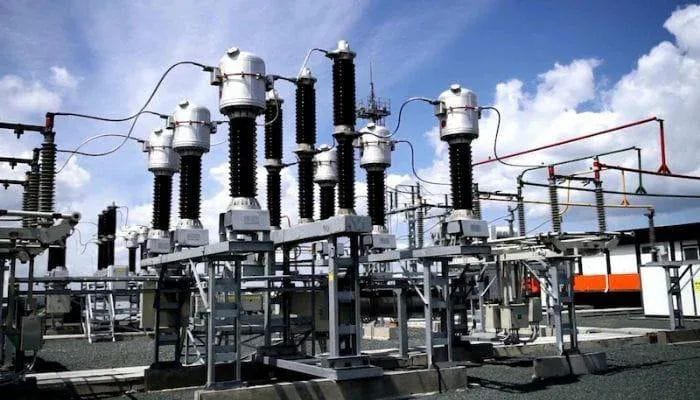
Transmission Company of Nigeria (TCN), has warned residents against vandalism and erecting of illegal structures under the national grid which is the national critical assets.
The Assistant General Manager, TCN, Birnin Kebbi, Alhaji Mustapha Hassan Aliero gave the warning during a one-day sensitisation and public awareness campaign tagged “Right of Way, encroachment, and vandalism of high-tension installations”, held in Birnin Kebbi, the state capital.
Alhaji Mustapha Aliero said the essence of the sensitisation was to enlighten the general public on the need to safeguard and take ownership of critical national assets by taking protective measures to avoid stealing and vandalism.
He explained that, Koko and Yauri local governments are the areas most vulnerable to vandalism, recalling that to safeguard the area, the company had to engage the services of the Nigeria Security and Civil Defence Corps (NSCDC), to protect the facilities provided by the company.
According to him, the recent collapse of the national grid recently is from the area which they have send their personnel to repair it, adding that when there is a breeze, the tower easily collapses, and that is why this sensitisation is very necessary.
The AGM also advised people to desist from building houses, shops and other structures close or under the national grid as they may resulted to safety risks, encroachment, electrocution, fire hazards and structural collapse, and lack of availability of electricity.
Some of the participants, interviewed by Radio Nigeria, say the campaign came at a right time as harmattan season is approaching now and urged the management of TCN, Nigerian Electricity Regulatory, (NERC), to join hand together toward enlightenment of the public to know their rights and responsibilities expected from them.
They also assured to give the necessary support and contribution toward preventing national critical assets from vandalization
and assured to dessiminate the knowledge and information gain from the campaign dawn to their Communities.
The participants were drew from all angles ranging from electricity consumers, traditional leaders, religious leaders, government officials, artisans, civil society organisations, youths groups and the media.
Editing By Yusuf Zubairu