By Daniel Karlmax
The Small and Medium Enterprises Development Agency of Nigeria (SMEDAN) has urged entrepreneurs to embrace climate-smart agriculture, green innovation and sustainable business practices to promote economic growth and job creation.
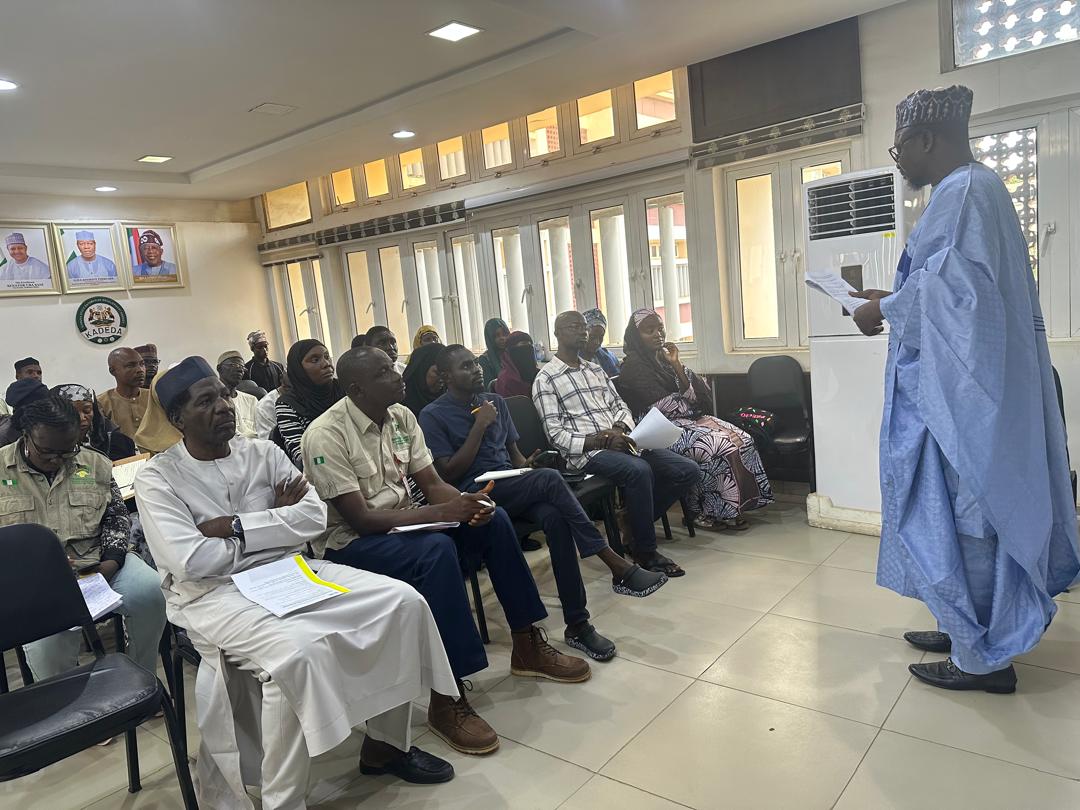
The Manager of SMEDAN in Kaduna, Mallam Badamasi Barau, made the call while delivering a keynote address at the Kaduna Monthly Climate Hangout, themed: “Empowering Entrepreneurs and SMEs through Climate-Smart Agriculture, Green Innovation, Sustainable Trade and Economic Growth.”
Speaking on entrepreneurship, SME development, environmental sustainability and climate-smart agriculture, Barau urged entrepreneurs to view environmental challenges not only as problems but also as opportunities for enterprise development and job creation.
According to him, the effects of climate change are not limited to farmers but extend to food processors, traders, transporters, manufacturers and consumers.
He explained that climate-smart agriculture involves adopting improved methods of producing food, managing resources and running agricultural businesses while responding effectively to changing climate conditions.
Barau identified improved farming practices, efficient irrigation, solar-powered equipment, better storage facilities and the conversion of agricultural waste into useful products as some of the opportunities available to entrepreneurs.
He added that green innovation could create new opportunities for young entrepreneurs, particularly in renewable energy, recycling, waste management, food processing, packaging and logistics.
Barau stressed that training alone was not sufficient to guarantee the success of small businesses, noting that entrepreneurs also require access to finance, markets, technology, business registration, information, mentoring and relevant business networks.
He further emphasised the need for collaboration among government agencies, financial institutions, private businesses, development partners and entrepreneurs to strengthen Nigeria’s Micro, Small and Medium Enterprises (MSME) ecosystem.
In a panel discussion, the Chief Executive Officer of Greenarian Agritek Services, Mr. Mohammad Ibrahim, said adopting smart agricultural techniques and transitioning to organic practices could reduce production costs and increase crop yields.
Ibrahim emphasised that smart agriculture for smallholder farmers and young entrepreneurs does not necessarily require expensive machinery or high-tech equipment, but can begin with the adoption of structured, data-driven approaches.
Beyond cost savings, he said organic inputs help protect the soil from acidification, promote beneficial soil microorganisms, improve crop hygiene and build resilience against climate change.
He urged farmers to treat agriculture as a business by planning early, avoiding flood-prone areas, selecting pest-resilient inputs and involving women and young people, whom he described as the backbone of rural agricultural production.
On his part, the Kaduna State Coordinator of the National Environmental Standards and Regulations Enforcement Agency (NESREA), Mr. Hannah Dangari, reiterated the agency’s mandate to safeguard the Nigerian environment through regulation, public sensitization and enforcement to ensure a healthy living environment for citizens.
Dangari disclosed that NESREA enforces gazetted regulations covering various economic sectors, with penalties prescribed for environmental violations, including improper waste disposal and littering.
To achieve widespread compliance, he said NESREA collaborates with local communities, faith-based organisations, market associations, civil society organisations, media houses and state bodies such as the Kaduna Environmental Protection Authority (KEPA).
He noted that field officers across the country strengthen public sensitization campaigns targeting markets, places of worship and communities, particularly ahead of the rainy season, to help prevent environmental hazards.
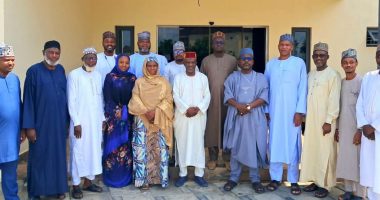
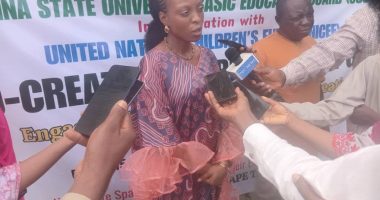
The programme, which brought together entrepreneurs, development partners, civil society organisations, media practitioners and other stakeholders, was part of a collaborative effort to discuss practical approaches to building a sustainable environment where businesses can thrive in Kaduna State and beyond.
Editing By Godwin Duru